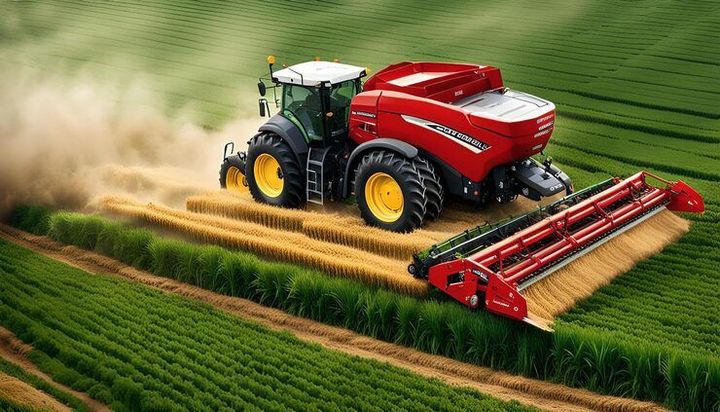
Agricultural Equipment Guide for Understanding Modern Farming Machines and Their Practical Uses
Agriculture has evolved significantly over the past century, with modern farming relying on advanced machinery to improve productivity, efficiency, and sustainability.
From preparing fields and planting crops to harvesting and transporting produce, agricultural equipment plays an essential role in nearly every stage of farming. These machines help farmers complete labor-intensive tasks more efficiently while supporting consistent crop management and responsible resource use.
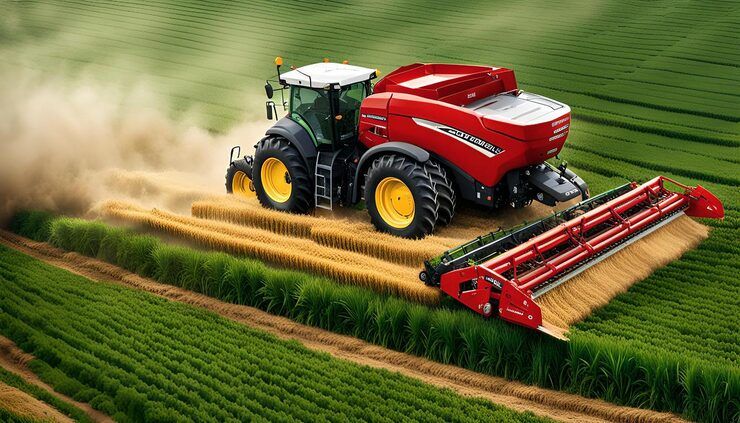
Today's agricultural machinery combines mechanical engineering, precision technology, automation, and data-driven systems to meet the changing needs of farms of all sizes. Whether used on small family farms or large commercial operations, modern farm equipment helps improve workflow, reduce physical labor, and support better decision-making throughout the growing season.
This guide explains the fundamentals of agricultural equipment, explores common machine types, discusses their practical uses, and highlights the innovations shaping the future of modern farming.
What Is Agricultural Equipment?
Agricultural equipment refers to the machines, tools, and mechanical systems used to perform farming activities. These machines assist with soil preparation, planting, irrigation, crop protection, harvesting, transportation, and post-harvest operations.
Unlike simple hand tools, modern agricultural machinery is designed to handle large workloads efficiently while improving accuracy and reducing manual effort.
Examples of agricultural equipment include:
- Agricultural tractors
- Seed drills
- Plows
- Cultivators
- Harrows
- Irrigation systems
- Sprayers
- Fertilizer spreaders
- Harvesters
- Balers
- Trailers
- Grain handling equipment
Each type of equipment supports a specific stage of the farming process.
Why Agricultural Equipment Is Important
Modern farming depends on machinery to meet growing food production demands while managing available resources efficiently.
Agricultural equipment offers several important advantages:
- Improved operational efficiency
- Reduced physical labor
- Faster field operations
- Better planting accuracy
- Consistent crop management
- Improved soil preparation
- Enhanced harvesting efficiency
- Support for precision agriculture
By reducing the time required for many farming activities, machinery allows farmers to focus on crop quality, planning, and long-term land management.
The Role of Agricultural Machinery Throughout the Farming Cycle
Agricultural machinery supports every major stage of crop production.
Land Preparation
Before planting begins, equipment prepares the soil by loosening, leveling, and improving seedbed conditions.
Common machines include:
- Plows
- Harrows
- Cultivators
- Rotary tillers
Proper soil preparation creates favorable conditions for healthy crop establishment.
Planting
Planting equipment places seeds at consistent depths and spacing, helping improve germination and crop uniformity.
Modern seed drills and precision planters can improve planting efficiency while reducing seed waste.
Crop Care
During the growing season, various machines assist with irrigation, fertilization, and crop monitoring.
Examples include:
- Boom sprayers
- Fertilizer spreaders
- Irrigation equipment
- Precision monitoring systems
These machines help maintain healthy crop development throughout the season.
Harvesting
Harvesting machinery enables efficient collection of mature crops while minimizing losses.
Depending on the crop, equipment may include:
- Combine harvesters
- Forage harvesters
- Potato harvesters
- Cotton harvesters
- Sugarcane harvesters
Modern harvesting equipment is designed to increase productivity while preserving crop quality.
Post-Harvest Operations
After harvesting, additional machinery assists with transportation, storage, and processing.
Typical equipment includes:
- Grain conveyors
- Balers
- Trailers
- Loading equipment
- Grain handling systems
Efficient post-harvest operations contribute to better product management and reduced waste.
Understanding Agricultural Tractors
Agricultural tractors are among the most versatile machines used on farms. They serve as the primary power source for numerous implements and attachments.
Tractors can perform a wide variety of tasks, including:
- Pulling cultivation equipment
- Operating planting machinery
- Transporting materials
- Powering specialized farm implements
- Supporting harvesting activities
Modern agricultural tractors often include advanced hydraulic systems, electronic controls, GPS guidance, and improved operator comfort.
Because of their adaptability, tractors remain one of the most valuable investments in modern farming operations.
Common Types of Farm Equipment
Different farming activities require specialized machinery designed for specific tasks.
| Equipment Type | Primary Function | Common Applications |
|---|---|---|
| Agricultural Tractors | Power and towing | General farm operations |
| Plows | Soil preparation | Primary tillage |
| Seed Drills | Seed placement | Crop planting |
| Sprayers | Crop protection | Applying approved agricultural treatments |
| Fertilizer Spreaders | Nutrient distribution | Soil fertility management |
| Combine Harvesters | Crop harvesting | Grain collection |
| Balers | Crop packaging | Hay and straw management |
| Trailers | Material transport | Moving crops and supplies |
Selecting the appropriate equipment depends on crop type, farm size, terrain, and operational objectives.
Precision Agriculture and Smart Farming Equipment
Technology has transformed modern agricultural machinery through the adoption of precision agriculture.
Precision farming uses digital tools to improve field management by collecting and analyzing data from various sources.
Modern farming equipment may incorporate:
- GPS guidance
- Automated steering
- Yield monitoring
- Variable-rate application systems
- Soil mapping
- Drone integration
- Sensor technology
- Farm management software
These technologies help farmers make more informed decisions while improving operational efficiency.
Choosing Agricultural Equipment
Selecting suitable agricultural equipment requires careful evaluation of several factors.
Farm Size
Small farms may require compact and versatile machinery, while larger operations often benefit from higher-capacity equipment.
Crop Type
Different crops require specialized planting, maintenance, and harvesting equipment.
Field Conditions
Terrain, soil type, and climate influence equipment performance and suitability.
Equipment Compatibility
Implements should be compatible with existing agricultural tractors and power systems.
Long-Term Maintenance
Ease of maintenance and equipment reliability contribute to consistent farm operations over time.
Careful planning helps ensure machinery supports both current and future farming needs.
Maintenance of Agricultural Machinery
Routine maintenance plays an important role in maximizing equipment performance and extending service life.
Common maintenance practices include:
- Regular inspections
- Cleaning after use
- Lubricating moving parts
- Checking tire condition
- Inspecting hydraulic systems
- Monitoring engine performance
- Replacing worn components
- Following scheduled servicing
Preventive maintenance helps reduce unexpected downtime during critical farming periods.
Sustainable Farming and Modern Equipment
Agricultural equipment increasingly supports sustainable farming practices through improved efficiency and responsible resource management.
Modern machinery may contribute to sustainability by:
- Reducing fuel consumption
- Supporting precision fertilizer application
- Improving water management
- Reducing soil disturbance
- Minimizing crop waste
- Supporting conservation farming techniques
These improvements help balance agricultural productivity with environmental stewardship.
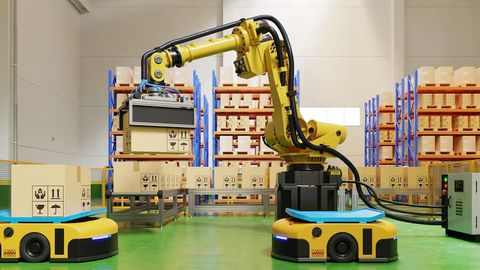
Automation in Farming Equipment
Automation continues to reshape agriculture by reducing manual intervention in repetitive tasks.
Examples of automation include:
- GPS-guided tractors
- Autonomous field navigation
- Smart irrigation systems
- Automated planting
- Sensor-based crop monitoring
- Machine performance diagnostics
Automation helps improve operational consistency while supporting efficient use of labor and resources.
Challenges in Using Agricultural Equipment
Although modern machinery offers many advantages, farmers also consider several practical challenges.
Equipment Complexity
Advanced machinery often includes sophisticated electronic and hydraulic systems that require specialized knowledge.
Operator Training
Proper training helps ensure safe and effective equipment operation.
Maintenance Requirements
Regular servicing remains essential for maintaining equipment reliability.
Environmental Conditions
Weather, soil moisture, and terrain influence machine performance throughout the farming season.
Technology Integration
Combining new digital tools with existing farm operations may require careful planning and adaptation.
Addressing these challenges helps improve the long-term value of agricultural machinery.
Future Trends in Agricultural Machinery
Agricultural technology continues to evolve as research and innovation introduce new farming solutions.
Emerging developments include:
- Artificial intelligence for crop analysis
- Autonomous agricultural tractors
- Robotics for field operations
- Advanced sensor networks
- Electric and hybrid farm equipment
- Internet of Things (IoT) connectivity
- Predictive maintenance systems
- Precision resource management
These technologies aim to improve efficiency while supporting sustainable food production for a growing global population.
Frequently Asked Questions
What is agricultural equipment?
Agricultural equipment includes machines and mechanical systems used for soil preparation, planting, crop care, harvesting, transportation, and post-harvest operations.
Why are agricultural tractors important?
Agricultural tractors provide power for numerous farming tasks, including towing implements, transporting materials, and operating specialized equipment across different stages of crop production.
What is the difference between agricultural machinery and farm equipment?
The terms are often used interchangeably. Agricultural machinery generally refers to powered mechanical systems, while farm equipment may also include implements and supporting tools used in farming.
How does precision agriculture improve farming?
Precision agriculture uses digital technologies such as GPS, sensors, and data analysis to improve planting accuracy, resource management, and overall farm efficiency.
Why is equipment maintenance important?
Regular maintenance improves machine reliability, supports safe operation, extends equipment life, and helps reduce unexpected interruptions during critical farming activities.
Conclusion
Agricultural equipment has become an essential part of modern farming, supporting efficient crop production from land preparation through harvesting and post-harvest management. Advances in agricultural machinery, agricultural tractors, automation, and precision farming technologies have transformed how farms operate, enabling better productivity while supporting responsible resource use.
Understanding the practical uses of farm equipment helps farmers, students, and industry professionals appreciate the important role machinery plays in today's agricultural landscape. As innovation continues to introduce smarter, more connected farming equipment, the future of agriculture will increasingly rely on technology that enhances efficiency, sustainability, and long-term farm resilience.