Amazon vs Alibaba: Complete Overview of Global E-Commerce Platforms
The rise of e-commerce has transformed the way people shop and businesses operate worldwide.
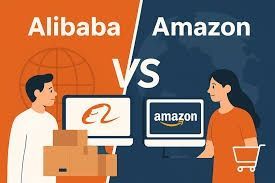
Among the largest and most influential companies in this sector are Amazon and Alibaba. Both companies dominate online commerce in their respective markets and have expanded their services into multiple industries. While they share similarities as global e-commerce leaders, their business models, target markets, and strategies differ significantly.
Introduction to Amazon
Amazon was founded in 1994 by Jeff Bezos in the United States. Initially launched as an online bookstore, it quickly expanded into a global marketplace offering millions of products across various categories. Today, Amazon operates in numerous countries and provides services such as cloud computing, digital streaming, logistics, and artificial intelligence solutions.
Amazon is known for its customer-focused approach, fast delivery systems, and extensive fulfillment network. The company has become one of the most valuable businesses in the world through continuous innovation and expansion.
Introduction to Alibaba
Alibaba was founded in 1999 by Jack Ma in China. Unlike Amazon, Alibaba primarily serves as a platform that connects buyers and sellers rather than directly managing inventory. The company operates several online marketplaces that support business-to-business (B2B), business-to-consumer (B2C), and consumer-to-consumer (C2C) transactions.
Alibaba has played a major role in the growth of China's digital economy and has expanded its influence globally through cloud computing, digital payments, logistics, and international trade platforms.
Business Model Comparison
Amazon's Business Model
Amazon follows a hybrid business model that combines direct retail sales with a marketplace for third-party sellers. The company often purchases products from manufacturers and sells them directly to customers. It also allows independent sellers to list products on its platform.
Key characteristics include:
- Direct product sales
- Third-party marketplace
- Subscription services such as Prime
- Cloud computing through AWS
- Logistics and fulfillment services
Alibaba's Business Model
Alibaba primarily operates as a platform provider. Instead of holding large inventories, it connects merchants with consumers and businesses. Revenue is mainly generated through advertising, commissions, and service fees.
Key characteristics include:
- Marketplace-focused operations
- Business-to-business trading platforms
- Digital payment services
- Advertising revenue
- Logistics coordination through partners
Revenue Sources
Amazon Revenue Streams
Amazon generates revenue from multiple sources:
- Online retail sales
- Third-party seller fees
- Amazon Prime subscriptions
- Advertising services
- Amazon Web Services (AWS)
- Digital content and entertainment
Alibaba Revenue Streams
Alibaba earns revenue through:
- Marketplace commissions
- Advertising services
- Membership fees
- Cloud computing services
- Digital financial services
- Logistics and supply chain solutions
Market Presence
Amazon has a strong presence in North America, Europe, India, and several international markets. Its global logistics infrastructure allows it to offer fast shipping and extensive product availability.
Alibaba's strongest market is China, where it serves millions of merchants and consumers. The company has also expanded internationally through platforms designed for global trade and cross-border commerce.
Logistics and Delivery
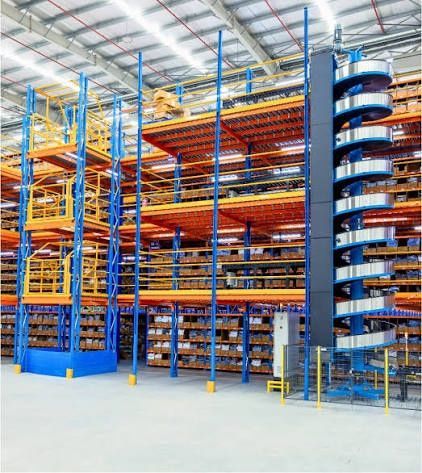
One of Amazon's biggest advantages is its advanced logistics network. The company owns fulfillment centers, transportation systems, and delivery services that help ensure rapid shipping.
Alibaba generally relies on partner networks and logistics platforms to coordinate deliveries. This asset-light approach reduces operational costs while maintaining large-scale distribution capabilities.
Cloud Computing Services
Both companies are major players in cloud computing.
Amazon Web Services (AWS)
AWS is a leading cloud computing platform that offers services such as data storage, computing power, machine learning, and security solutions for businesses worldwide.
Alibaba Cloud
Alibaba Cloud is one of the largest cloud service providers in Asia. It offers cloud infrastructure, data analytics, cybersecurity, and AI-powered solutions to organizations globally.
Customer Experience
Amazon focuses heavily on customer satisfaction by offering:
- Fast shipping
- Easy returns
- Product recommendations
- Customer reviews
- Subscription benefits
Alibaba emphasizes providing opportunities for merchants and facilitating transactions between buyers and sellers. Its platforms often offer competitive pricing and access to a wide variety of suppliers.
Advantages of Amazon
- Strong global brand recognition
- Extensive logistics network
- Fast delivery services
- Diverse revenue streams
- Leading cloud computing division
- High customer trust
Advantages of Alibaba
- Large merchant ecosystem
- Strong position in China
- Asset-light business model
- Extensive B2B marketplace services
- Global sourcing opportunities
- Strong digital payment integration
Challenges Faced by Amazon
- Intense global competition
- Regulatory scrutiny
- Rising operational costs
- Labor and logistics challenges
- Market saturation in some regions
Challenges Faced by Alibaba
- Regulatory changes
- Economic fluctuations
- Increasing competition
- International expansion challenges
- Dependence on marketplace activity
Which Company Is Larger?
The answer depends on the measurement used. Amazon generally generates higher overall revenue and has a larger international retail presence. Alibaba, however, handles enormous transaction volumes through its marketplace platforms and maintains a dominant position within China's e-commerce sector.
Future Outlook
Both Amazon and Alibaba continue investing heavily in technology, artificial intelligence, cloud computing, logistics, and digital transformation. As online shopping and digital services continue to grow globally, both companies are expected to remain key players in shaping the future of e-commerce.
Conclusion
Amazon and Alibaba are two of the most influential e-commerce companies in the world, but they operate using different strategies. Amazon focuses on direct retail sales, logistics, and customer experience, while Alibaba emphasizes marketplace services and merchant connectivity. Understanding these differences helps consumers, investors, and businesses better appreciate how each company contributes to the global digital economy. While competition between the two remains strong, both continue to drive innovation and redefine modern commerce on a global scale.