Chemical Plastic Recycling Guide to Modern Waste Processing and Material Recovery
Plastic has become an essential material in modern life because of its durability, versatility, and wide range of applications.
It is used in packaging, healthcare, electronics, construction, transportation, and countless everyday products. However, the growing volume of plastic waste has created significant environmental challenges, making effective recycling methods more important than ever. Alongside traditional mechanical recycling, chemical plastic recycling has emerged as an advanced approach for recovering valuable materials from plastic waste that is difficult to recycle using conventional methods.
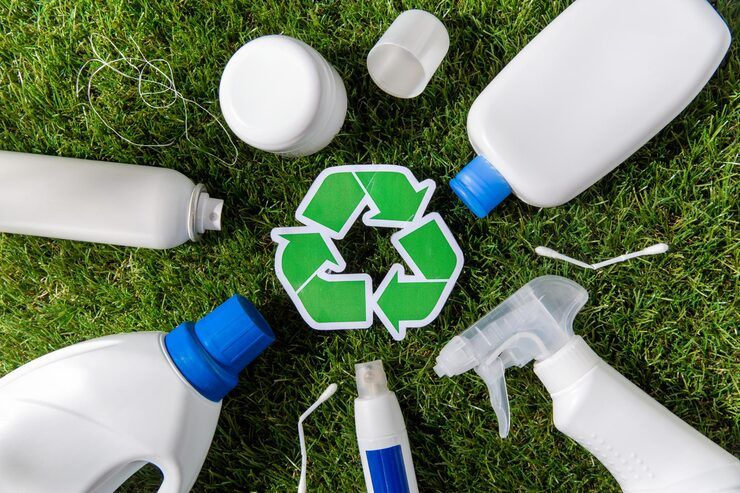
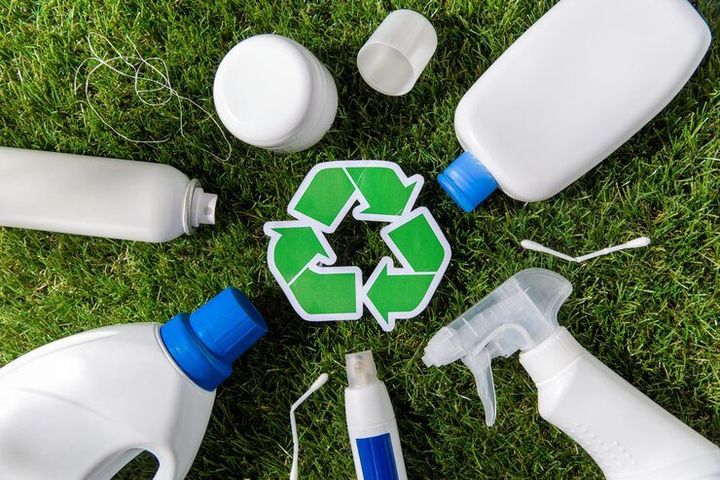
Modern recycling technologies aim to reduce waste, recover valuable resources, and support a more circular use of materials. Chemical plastic recycling is one of several innovations helping industries process complex plastics while complementing existing recycling systems. Understanding how this technology works provides valuable insight into the future of sustainable material management.
This guide explains the basics of chemical plastic recycling, how it differs from traditional recycling methods, the technologies involved, and the role it plays in modern waste processing and material recovery.
What Is Chemical Plastic Recycling?
Chemical plastic recycling refers to a group of advanced recycling processes that break plastic materials down into their chemical building blocks or other useful raw materials. Instead of simply reshaping used plastic into new products, these processes transform plastic waste into substances that can be used to manufacture new materials or industrial feedstocks.
Unlike mechanical recycling, which mainly relies on cleaning, shredding, and melting plastic, chemical recycling changes the molecular structure of the material through carefully controlled industrial processes.
This approach can help process certain plastic waste streams that may be difficult to recycle mechanically due to contamination, mixed materials, or degraded quality.
Why Modern Plastic Recycling Matters
As plastic consumption continues to increase worldwide, effective waste management has become an important environmental priority.
Plastic waste recycling helps support several long-term goals, including:
- Reducing landfill waste
- Conserving natural resources
- Supporting material recovery
- Reducing dependence on virgin raw materials
- Improving resource efficiency
- Encouraging circular economy practices
- Reducing environmental pollution
Chemical recycling adds another option for managing plastics that may otherwise have limited recycling opportunities.
How Chemical Plastic Recycling Works
Although different technologies exist, most chemical recycling processes follow a similar sequence.
First, collected plastic waste is sorted to remove unsuitable materials and improve processing efficiency.
The plastic is then cleaned and prepared before entering specialized processing equipment.
Depending on the selected technology, controlled heat, pressure, catalysts, or chemical reactions break the plastic into smaller molecular components.
The recovered materials are purified and prepared for use as industrial raw materials or for manufacturing new plastic products.
Throughout the process, advanced monitoring systems help maintain consistent operating conditions and product quality.
Common Chemical Recycling Technologies
Chemical plastic recycling includes several different processing methods, each designed for specific types of plastic materials.
Pyrolysis
Pyrolysis heats plastic waste in a low-oxygen environment, causing the material to break down into smaller hydrocarbon compounds.
The resulting products may be further refined for industrial applications or used as feedstocks for manufacturing processes.
Gasification
Gasification converts plastic waste into synthesis gas, often called syngas, through high-temperature processing with controlled amounts of oxygen or steam.
Syngas can serve as a building block for various industrial chemical processes.
Depolymerization
Depolymerization breaks certain plastics back into their original molecular building blocks, known as monomers.
These recovered materials may be purified and reused to manufacture new plastic products with properties similar to virgin materials.
Solvent-Based Recycling
Some advanced plastic recycling methods use specialized solvents to separate polymers from contaminants without significantly altering the polymer structure.
This process may help recover higher-quality materials from selected plastic waste streams.
Each technology has unique applications depending on the type and condition of the plastic being processed.
Chemical Recycling vs. Mechanical Recycling
Both recycling methods contribute to waste management but operate differently.
| Feature | Chemical Plastic Recycling | Mechanical Recycling |
|---|---|---|
| Processing Method | Molecular conversion | Physical processing |
| Material Recovery | Chemical building blocks or feedstocks | Reprocessed plastic material |
| Suitable Waste | Complex or mixed plastics | Cleaner, sorted plastics |
| Product Output | Raw materials for manufacturing | Recycled plastic products |
| Processing Complexity | Higher | Lower |
Rather than replacing mechanical recycling, chemical recycling is generally viewed as a complementary technology within broader plastic waste recycling systems.
The Role of Plastic Recycling Plants
A modern plastic recycling plant may include several interconnected processing stages designed to maximize material recovery.
Common facility operations include:
- Waste collection
- Material sorting
- Cleaning
- Size reduction
- Quality inspection
- Chemical processing
- Material purification
- Product storage
- Environmental monitoring
Many facilities combine automated equipment with digital monitoring systems to improve operational efficiency and maintain process consistency.
Industrial Plastic Recycling Applications
Industrial plastic recycling supports material recovery across many sectors.
Common industries include:
- Packaging
- Automotive manufacturing
- Construction
- Consumer goods
- Electronics
- Healthcare
- Agriculture
- Textiles
Recovered materials may be used as feedstocks for manufacturing processes, helping reduce the demand for newly produced raw materials where technically appropriate.
Benefits of Advanced Plastic Recycling
Chemical recycling offers several potential advantages when integrated into comprehensive waste management systems.
Expanded Recycling Opportunities
Certain plastics that are difficult to process mechanically may be suitable for advanced chemical recycling technologies.
Material Recovery
Recovering molecular building blocks helps retain the value of plastic materials that might otherwise become waste.
Support for Circular Economy Goals
Chemical recycling contributes to circular resource management by returning recovered materials to manufacturing systems.
Reduced Landfill Dependence
Additional recycling pathways may help reduce the amount of plastic waste sent to landfills.
Complementary Waste Management
Chemical recycling works alongside mechanical recycling rather than replacing established recycling methods.
Challenges Facing Chemical Plastic Recycling
Like many industrial technologies, chemical recycling also faces several challenges.
Feedstock Quality
Different plastic types require careful sorting to achieve efficient processing.
Technology Complexity
Advanced processing systems require specialized engineering and operational expertise.
Energy Requirements
Some recycling technologies operate at elevated temperatures and require carefully managed energy systems.
Material Separation
Mixed plastic waste may require additional preparation before chemical processing begins.
Infrastructure Development
Expanding advanced recycling capacity depends on continued investment in collection, sorting, and processing infrastructure.
Addressing these challenges remains an important focus for researchers, manufacturers, and waste management organizations.
Innovation in Advanced Plastic Recycling
Modern recycling facilities increasingly incorporate digital technologies to improve performance.
Emerging innovations include:
- Artificial intelligence for waste sorting
- Robotic material handling
- Smart sensor monitoring
- Automated quality control
- Predictive equipment maintenance
- Digital process optimization
- Data-driven production management
These technologies help improve material recovery while supporting safer and more efficient operations.
Environmental Considerations
Chemical plastic recycling is one part of a broader waste management strategy focused on responsible resource use.
Its potential environmental contributions include:
- Supporting material recovery
- Reducing reliance on virgin resources
- Encouraging circular manufacturing
- Diverting certain plastics from disposal
- Improving waste management flexibility
However, recycling alone cannot solve plastic waste challenges. Reducing unnecessary waste generation, improving product design, increasing collection efficiency, and encouraging responsible consumption all remain important parts of sustainable resource management.
Future Trends in Plastic Waste Recycling
The future of plastic recycling is expected to combine multiple technologies working together.
Key trends include:
- Greater automation
- Improved waste sorting systems
- Advanced polymer recovery methods
- Artificial intelligence-assisted process control
- Increased industrial collaboration
- Better recycling infrastructure
- Enhanced material traceability
- Continued research into recyclable product design
Rather than relying on a single solution, future recycling systems will likely integrate mechanical recycling, chemical recycling, reuse strategies, and improved waste collection to maximize resource recovery.
Frequently Asked Questions
What is chemical plastic recycling?
Chemical plastic recycling is an advanced recycling process that breaks plastic materials into their chemical components or other valuable raw materials for reuse in manufacturing.
How is chemical recycling different from mechanical recycling?
Mechanical recycling physically processes plastic into reusable material, while chemical recycling changes the plastic at the molecular level to recover chemical feedstocks or original building blocks.
What types of plastics can benefit from advanced plastic recycling?
Some mixed, contaminated, or difficult-to-process plastics that may not be suitable for traditional mechanical recycling can sometimes be processed using advanced chemical recycling methods, depending on the technology used.
What is the role of a plastic recycling plant?
A plastic recycling plant collects, sorts, prepares, processes, and recovers valuable materials from plastic waste while supporting efficient waste management and material recovery.
Does chemical recycling replace traditional recycling?
No. Chemical plastic recycling is generally considered a complementary technology that works alongside mechanical recycling to expand recycling opportunities for different types of plastic waste.
Conclusion
Chemical plastic recycling represents an important advancement in modern waste processing and material recovery. By transforming plastic waste into valuable chemical building blocks and industrial feedstocks, it expands the range of materials that can be recovered while supporting broader circular economy objectives.
As advanced plastic recycling technologies continue to evolve, they are expected to play an increasingly important role alongside mechanical recycling, improved product design, and responsible waste management practices. Understanding how chemical recycling works helps individuals and industries appreciate the growing range of solutions available for managing plastic waste more effectively while promoting sustainable resource use for the future.