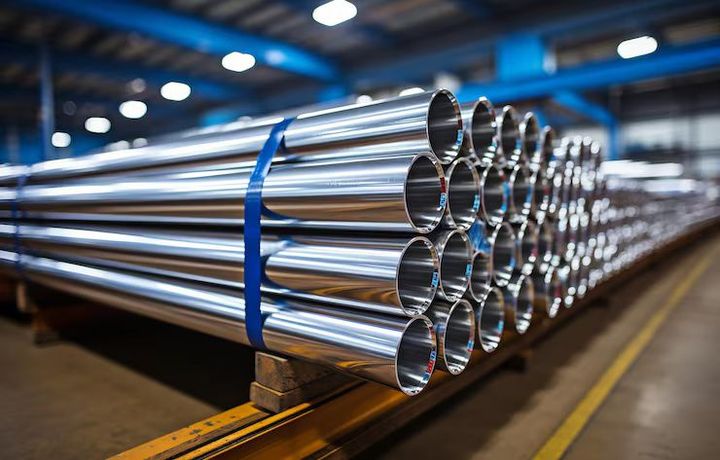
Metal Tubing Supplies: What You Need to Know
Metal tubing plays an important role in construction, manufacturing, transportation, infrastructure, engineering, and many industrial applications. From structural frameworks to mechanical systems, metal tubing provides strength, durability, and flexibility for projects of different sizes. Understanding the different types of tubing, available materials, and selection factors helps individuals and organizations make informed decisions for various engineering and fabrication requirements.
This guide explains what metal tubing supplies are, why they matter, recent developments in the industry, applicable regulations, helpful resources, and answers to common questions using simple and easy-to-understand language.
What Are Metal Tubing Supplies?
Metal tubing supplies refer to tubular metal products that are available in standard inventory or manufactured according to specific project requirements. These products are supplied in different materials, wall thicknesses, diameters, lengths, and shapes to support industrial, commercial, and infrastructure applications.
Metal tubing may be manufactured as seamless tubing or welded tubing. Seamless tubing is produced without welded joints, while welded tubing is created by forming and joining metal sheets into tubular shapes. Each manufacturing method is suitable for different engineering requirements depending on strength, pressure, and intended application.
Metal tubing is available in several common materials, including:
- Steel tubing
- Stainless steel tubing
- Aluminum tubing
- Carbon steel tubing
- Nickel alloy tubing
- Titanium tubing
The combination of material, dimensions, and manufacturing process determines how tubing performs under different operating conditions.
Unlike solid metal bars, tubing provides high structural strength while reducing overall weight, making it a practical solution across numerous industries.
Importance – Why Metal Tubing Supplies Matter Today
Metal tubing supports countless industries that rely on durable structural and mechanical components. Construction companies, manufacturers, transportation sectors, agricultural operations, infrastructure developers, and equipment manufacturers all depend on tubing for various applications.
Several reasons explain why metal tubing remains important today.
High Structural Strength
Steel tubing provides excellent load-bearing capability while maintaining relatively efficient material usage. This makes it suitable for frameworks, machinery, industrial structures, and support systems.
Corrosion Resistance
Stainless steel tubing is commonly selected in environments exposed to moisture, chemicals, or outdoor weather conditions. Aluminum tubing also offers excellent resistance to corrosion while remaining lightweight.
Wide Range of Applications
Metal tubing is used in:
- Construction frameworks
- Manufacturing equipment
- Automotive components
- Agricultural machinery
- Mechanical systems
- Water distribution systems
- Industrial processing equipment
- Architectural structures
- Energy infrastructure
Flexible Design Options
Suppliers provide tubing in multiple profiles, including:
- Round tubing
- Square tubing
- Rectangular tubing
- Oval tubing
- Custom-shaped tubing
These shape options allow engineers and fabricators to select products that best match structural requirements.
Support for Modern Manufacturing
Advanced fabrication technologies now require tubing with precise dimensions and consistent quality. Modern production methods help manufacturers achieve tighter tolerances and improved material performance.
Understanding Common Types of Metal Tubing
Different materials provide different performance characteristics.
Steel Tubing
Steel tubing is one of the most widely used options because of its strength and versatility.
Typical applications include:
- Structural supports
- Building construction
- Industrial equipment
- Machinery frames
- Mechanical fabrication
Steel tubing is available in numerous wall thicknesses and sizes suitable for both light-duty and heavy-duty applications.
Aluminum Tubing
Aluminum tubing is valued for its lightweight properties and natural corrosion resistance.
It is commonly used in:
- Transportation equipment
- Architectural projects
- Marine environments
- Recreational equipment
- Lightweight structural assemblies
Its lower weight makes transportation and installation easier in many projects.
Stainless Steel Tubing
Stainless steel tubing combines strength with outstanding corrosion resistance.
Common applications include:
- Food processing equipment
- Medical equipment
- Chemical processing
- Pharmaceutical manufacturing
- Water systems
- Marine applications
Popular grades include 304 stainless steel and 316 stainless steel, each selected according to environmental requirements.
Shapes and Sizes Matter
Selecting the appropriate tubing involves more than choosing the material. Shape and dimensions significantly influence structural performance.
Common shapes include:
- Round tubing
- Square tubing
- Rectangular tubing
Round tubing is often preferred for fluid transport, mechanical assemblies, and pressure-related applications.
Square tubing offers greater resistance against twisting and is frequently used in structural frameworks.
Rectangular tubing provides excellent strength across longer spans and is commonly used in construction and fabrication.
Important sizing considerations include:
- Outside diameter
- Inside diameter
- Wall thickness
- Overall length
- Material grade
These characteristics directly affect strength, weight, fabrication methods, and application suitability.
Stock Tubing and Custom Metal Tubing
Industrial projects vary considerably, making both stock tubing and custom tubing valuable options.
Stock tubing consists of commonly available dimensions that meet general engineering needs. These products simplify project planning because they are manufactured according to standard specifications.
Custom metal tubing is manufactured when projects require unique dimensions, specialized alloys, unusual wall thicknesses, or non-standard shapes.
Custom production may include:
- Specific lengths
- Special material grades
- Precision tolerances
- Unique cross-sectional profiles
- Specialized finishing
Both standard inventory and custom production support different industrial requirements depending on project complexity.
Recent Updates – Industry Trends During the Past Year
The metal tubing industry continues to evolve alongside advancements in manufacturing technology and industrial automation.
Recent developments during 2025–2026 include:
- Increased adoption of automated tube cutting and precision fabrication equipment.
- Greater demand for lightweight materials in transportation and infrastructure projects.
- Improved manufacturing technologies that achieve tighter dimensional tolerances.
- Continued investment in sustainable metal recycling and efficient material utilization.
- Growing use of digital inventory systems for improved product traceability.
- Increased demand for corrosion-resistant tubing in renewable energy projects.
- Expansion of custom manufacturing capabilities for specialized industrial applications.
These developments improve manufacturing efficiency while supporting higher product consistency across different industries.
Laws or Policies Affecting Metal Tubing
Metal tubing products are commonly manufactured according to recognized engineering standards and regulatory frameworks.
Requirements often include:
- Material quality standards
- Mechanical property specifications
- Dimensional tolerance requirements
- Manufacturing quality control
- Product testing procedures
- Workplace safety regulations
- Environmental compliance requirements
Many countries also regulate:
- Occupational safety during fabrication
- Environmental management of manufacturing facilities
- Recycling practices for metal products
- Industrial emissions and waste management
Construction and infrastructure projects may require tubing that complies with national building codes and engineering standards to ensure long-term structural reliability.
Organizations typically verify material certifications before installation in critical engineering applications.
Tools and Resources
Several general resources help engineers, fabricators, manufacturers, and project planners evaluate tubing requirements.
Useful tools include:
- Metal weight calculators
- Pipe and tubing dimension calculators
- Wall thickness conversion charts
- Engineering design templates
- Material property reference guides
- Structural load calculation worksheets
- CAD drawing software
- Engineering specification documents
- Manufacturing standards manuals
- Material compatibility charts
These resources simplify planning and improve consistency when selecting suitable tubing dimensions and materials.
Factors That Influence Metal Tubing Selection
Choosing the appropriate tubing involves evaluating several practical considerations.
Important factors include:
- Material strength
- Corrosion resistance
- Weight requirements
- Structural load
- Environmental exposure
- Fabrication method
- Welding compatibility
- Surface finish
- Available dimensions
- Required tolerances
Projects requiring outdoor exposure may prioritize corrosion resistance, while heavy industrial equipment often emphasizes structural strength.
Considering these characteristics early in project planning improves long-term performance and reliability.
Understanding Factors That Influence Pricing
Although pricing varies between suppliers and market conditions, several measurable factors commonly influence metal tubing values.
These include:
- Material type
- Alloy grade
- Outside diameter
- Wall thickness
- Length
- Manufacturing method
- Surface finish
- Quantity requirements
- Processing requirements
- Dimensional precision
Custom manufacturing may involve additional production processes compared with standard inventory products.
FAQs
What is metal tubing used for?
Metal tubing is widely used in construction, manufacturing, transportation, infrastructure, machinery, agriculture, energy systems, and architectural projects because it provides strength, durability, and design flexibility.
What is the difference between seamless and welded tubing?
Seamless tubing is manufactured without welded joints, making it suitable for many demanding applications. Welded tubing is formed by joining metal sheets and is commonly used across structural and mechanical applications.
Which material is commonly used for corrosion resistance?
Stainless steel and aluminum tubing are frequently selected for environments where moisture, chemicals, or outdoor exposure may affect long-term performance.
Why are different tubing shapes available?
Round, square, and rectangular tubing each provide different structural characteristics. The most suitable shape depends on engineering requirements, fabrication methods, and intended application.
What should be considered when selecting metal tubing?
Important considerations include material type, dimensions, wall thickness, strength requirements, corrosion resistance, environmental conditions, fabrication methods, and compliance with engineering specifications.
Conclusion
Metal tubing supplies form an essential part of modern engineering, manufacturing, and infrastructure development. Available in numerous materials, shapes, and dimensions, tubing supports applications ranging from structural construction to advanced industrial equipment.