Chemical Plastic Recycling Guide: Understanding Processes and Key Technologies
Chemical plastic recycling refers to a group of processes that use chemical reactions, heat, pressure, or solvents to transform plastic waste into smaller molecular components.
These materials may then become feedstock for new plastics, chemicals, fuels, or other industrial applications.
Traditional mechanical recycling usually involves sorting, cleaning, shredding, and melting plastic. Chemical recycling takes a different approach by changing the molecular structure of the material. This distinction allows certain technologies to process plastic streams that may be difficult to handle through conventional recycling methods.
Why Chemical Recycling Developed
Modern plastics are made in many forms, including rigid containers, flexible films, multilayer packaging, fibers, foams, and composite materials. Some products contain additives, pigments, adhesives, or combinations of several polymers. These characteristics can make separation and mechanical processing difficult.
Chemical recycling developed as another pathway for managing selected plastic waste streams. Its purpose is not necessarily to replace mechanical recycling. Instead, the two approaches may operate alongside waste reduction, reuse, material redesign, and other recovery methods.
Main Types of Chemical Recycling
Several technologies fall under the broad term chemical recycling. The main difference between them is how they break down or separate plastic materials.
| Technology | Basic Process | Typical Output | Common Feedstock |
|---|---|---|---|
| Pyrolysis | Heating with little or no oxygen | Oil, gas, char | Mixed hydrocarbon plastics |
| Gasification | High-temperature conversion with controlled oxygen or steam | Synthesis gas | Selected mixed waste streams |
| Depolymerization | Breaking polymers into smaller chemical units | Monomers or intermediates | Specific polymer types |
| Solvolysis | Using a solvent and chemical reaction | Chemical building blocks | Condensation polymers |
| Dissolution | Separating a polymer with a selected solvent | Purified polymer | Compatible plastic streams |
These technologies have different energy needs, material requirements, and output qualities. A process suitable for one type of plastic may not work effectively for another.
Why Chemical Plastic Recycling Matters
Plastic waste is a complex environmental and industrial issue. Large quantities of plastic products are used in packaging, construction, transportation, electronics, agriculture, textiles, and household goods. After use, these materials can enter recycling systems, disposal facilities, energy recovery systems, or the wider environment.
Chemical recycling matters because some plastic waste cannot be easily processed through standard mechanical methods. Flexible packaging, contaminated material, mixed polymers, and certain composite products may present technical challenges.
Addressing Difficult Plastic Waste Streams
Mechanical recycling generally works more effectively when waste is relatively clean and separated by polymer type. Repeated heating can also change some material properties over time.
Chemical processes may create additional pathways for selected waste streams by changing polymers into smaller molecules or separating them from unwanted components. However, successful processing still depends on sorting, preparation, contamination control, energy use, and the design of the recycling facility.
Potential Role in a Circular Materials System
A circular materials system aims to keep resources in use for longer and reduce unnecessary disposal. Chemical recycling may contribute when recovered outputs return to chemical or plastic production.
Its environmental value depends on several factors, including:
- The type and condition of the incoming plastic
- The amount and source of energy used
- The quality and purpose of the recovered output
- Emissions created during processing
- Transportation and preparation requirements
- The material pathway that the process replaces
For this reason, environmental assessment usually considers the entire material life cycle rather than focusing only on the recycling technology itself.
Effects on Everyday Products and Communities
Changes in plastic recycling can affect packaging systems, municipal waste planning, manufacturing, consumer products, and environmental management. Better identification of plastic types can improve sorting, while product design can influence whether a material is suitable for mechanical or chemical processing.
Communities may also be affected by decisions about where recycling plants are located and how emissions, transport movements, water use, and industrial safety are managed. Clear environmental controls and transparent reporting are therefore important parts of waste infrastructure planning.
Current Developments in Chemical Recycling
The general trend from 2024 through 2026 has been toward greater technical evaluation, improved sorting, clearer material tracking, and closer examination of environmental performance. Researchers, regulators, and industry groups continue to study where chemical recycling fits within broader waste management systems.
Greater Focus on Feedstock Quality
Chemical recycling is sometimes described as a method for handling mixed plastic waste, but feedstock quality remains important. Excess moisture, metals, chlorine-containing plastics, food residue, and other contaminants can affect processing equipment and output quality.
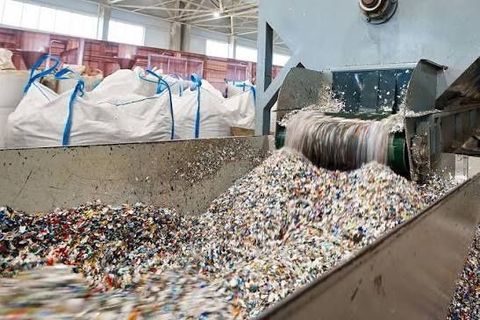
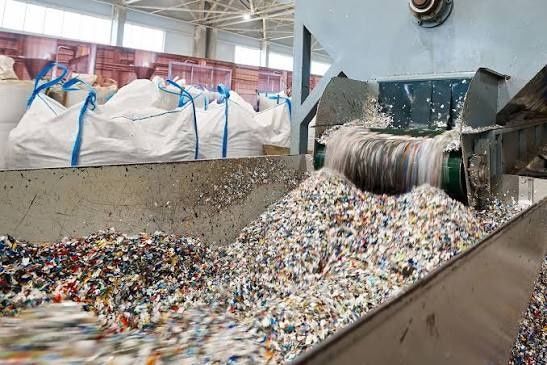
As a result, modern facilities increasingly rely on preparation stages such as sorting, shredding, drying, and contaminant removal. Sensor-based sorting and automated material identification are also becoming more relevant.
Development of Advanced Pyrolysis Systems
Pyrolysis remains one of the widely discussed chemical recycling pathways for hydrocarbon-based plastics. Current development focuses on process control, feedstock preparation, energy efficiency, and purification of the resulting oil.
The output from pyrolysis often requires additional treatment before it can enter certain industrial production pathways. Researchers continue to examine catalyst design, reactor conditions, and methods for reducing unwanted compounds.
Increased Interest in Depolymerization
Depolymerization is particularly relevant to plastics that can be chemically broken into recognizable building blocks. Instead of producing a broad mixture of hydrocarbons, some processes aim to recover monomers or related compounds.
This approach can potentially preserve more material value when the feedstock is suitable. However, careful sorting and process-specific conditions are usually required.
More Attention to Environmental Measurement
Another major trend is the use of life-cycle assessment to compare different plastic waste pathways. Such studies examine energy consumption, greenhouse gas emissions, material recovery, transportation, and other environmental factors.
Results can vary according to the technology, local energy system, waste composition, and final use of recovered materials. This is why broad claims about all chemical recycling methods can be misleading.
Laws and Policies Affecting Chemical Plastic Recycling
In India, plastic waste management is shaped by national environmental rules and responsibilities involving producers, importers, brand owners, local authorities, recyclers, and other participants in the waste system. Chemical recycling activities may also fall under wider environmental, industrial, pollution-control, and facility approval requirements.
Plastic Waste Management Framework
India's plastic waste framework places emphasis on collection, processing, recycling, and responsible handling of plastic waste. Extended Producer Responsibility, commonly called EPR, gives certain producers, importers, and brand owners obligations related to plastic packaging waste.
Chemical recycling may be considered within the wider group of plastic waste processing methods when it meets applicable definitions and regulatory requirements. Classification can depend on the process used and the final destination of recovered materials.
Environmental Permissions and Pollution Control
Industrial recycling plants may need permissions from relevant pollution control authorities. Requirements can address air emissions, wastewater, hazardous residues, storage, worker protection, fire safety, and the handling of industrial materials.
A chemical recycling facility may also need monitoring systems and records showing how waste enters, moves through, and leaves the process. The exact requirements depend on the technology, location, capacity, and applicable regulatory framework.
Importance of Material Traceability
Traceability is becoming increasingly important in modern recycling systems. Records can help identify the origin, quantity, polymer category, processing pathway, and destination of plastic waste.
Digital reporting systems and certificates may support regulatory oversight and EPR accounting. Accurate documentation is also important when recycled outputs move between waste processors, chemical plants, and manufacturers.
Tools and Resources for Understanding Chemical Recycling
Several tools can help researchers, students, planners, and general readers understand plastic recycling technologies. These resources are useful for comparing materials, processes, and environmental factors.
Life-Cycle Assessment Tools
Life-cycle assessment software can examine environmental impacts across different stages of a material system. Common areas of study include energy use, emissions, transport, raw materials, and end-of-life pathways.
Databases used with these tools provide information about industrial processes and material flows. Results depend heavily on the assumptions and data entered into the model.
Polymer Identification Resources
Plastic identification charts explain common polymer types and resin identification codes. These resources can help readers understand why polyethylene, polypropylene, polyethylene terephthalate, polystyrene, and other plastics behave differently during recycling.
Technical data sheets can provide additional information about melting behavior, chemical composition, additives, and processing conditions.
Material Flow Analysis
Material flow analysis tracks how plastic moves through production, use, collection, sorting, recycling, and disposal systems. Spreadsheet templates and specialized modeling platforms can help organize this information.
Typical data points include:
- Quantity of plastic entering a system
- Polymer categories
- Collection rates
- Sorting losses
- Processing yields
- Recovered material outputs
- Residual waste streams
Government and Research Resources
Environmental ministries, pollution control authorities, universities, standards organizations, and research institutes publish guidance on plastic waste, recycling methods, environmental assessment, and material science.
Readers should check the publication source, methodology, geographic scope, and assumptions when comparing information. Chemical recycling results from one region or facility may not apply directly to another setting.
Frequently Asked Questions
What is chemical plastic recycling?
Chemical plastic recycling uses chemical reactions, heat, solvents, or related processes to change plastic waste at the molecular level. Depending on the technology, the output may include monomers, chemical feedstocks, oils, gases, or purified polymers.
How is chemical recycling different from mechanical recycling?
Mechanical recycling mainly changes the physical form of plastic through sorting, washing, shredding, and remelting. Chemical recycling changes or separates the molecular structure of the material. Each approach has different feedstock requirements and environmental considerations.
Can all plastic waste go through chemical recycling?
No. Different technologies are designed for different polymer types and contamination levels. Some plastics may require extensive preparation, while others may be unsuitable for a particular chemical process.
What technologies are used in chemical plastic recycling?
Common technologies include pyrolysis, gasification, depolymerization, solvolysis, and solvent-based dissolution. Each method uses different operating conditions and produces different outputs.
Is chemical recycling environmentally beneficial?
The answer depends on the specific process and comparison pathway. Energy source, emissions, transport, feedstock quality, processing efficiency, and the final use of recovered materials all influence environmental performance. Life-cycle assessment can help examine these factors systematically.
Conclusion
Chemical plastic recycling includes several technologies designed to transform or separate plastic materials at the molecular level. Processes such as pyrolysis, gasification, depolymerization, solvolysis, and dissolution have different applications, inputs, and outputs. Their role in waste management depends on technical performance, environmental controls, regulatory requirements, and how recovered materials are used. Chemical recycling is one part of a wider system that also includes waste reduction, reuse, mechanical recycling, product design, and responsible material management.