Material Handling Systems Guide: Understanding Equipment, Processes, and Workflow Efficiency
Material handling systems are an essential part of modern industrial, manufacturing, distribution, and storage environments.
These systems are designed to move, store, control, and protect materials throughout different stages of production, warehousing, and distribution. From small storage facilities to large industrial plants, material movement plays a critical role in maintaining organized and efficient operations.
The concept of material handling has evolved over many decades. Early workplaces relied heavily on manual labor to transport goods and materials. As industrial production increased, businesses began using mechanical equipment such as carts, cranes, and conveyor belts to improve movement within facilities. Today, material handling systems combine machinery, software, sensors, and automation technologies to streamline workflows.
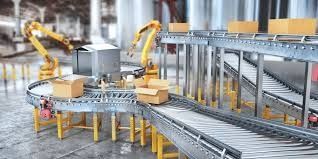
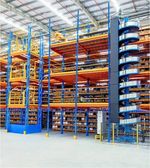
Modern organizations use a wide range of warehouse material handling equipment to transport products safely and efficiently. These systems may include conveyors, forklifts, automated storage systems, robotic equipment, and pallet handling systems. The primary goal is to reduce unnecessary movement, improve accuracy, and support consistent operations.
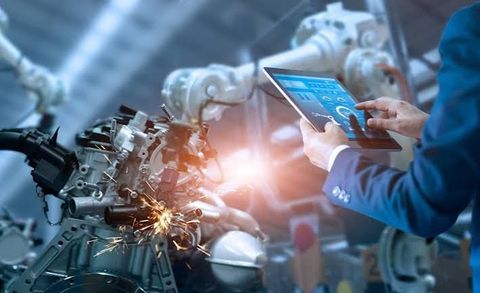
As technology continues to advance, automated material handling systems have become increasingly common. These solutions integrate automation, data collection, and intelligent controls to manage materials with minimal manual intervention. Smart material handling systems are now helping facilities monitor operations in real time and make workflow adjustments when needed.
Importance
Supporting Efficient Operations
Efficient movement of materials is necessary for maintaining productive operations. When products, components, or raw materials move smoothly between locations, delays can be reduced and workflow coordination can improve.
Material handling automation helps organizations manage large volumes of goods while maintaining consistent movement throughout different operational stages. This can be particularly important in warehouses, manufacturing plants, and distribution centers.
Improving Workplace Safety
Manual transportation of heavy materials can increase the risk of accidents and physical strain. Industrial material handling solutions help reduce repetitive lifting and unnecessary handling activities.
Equipment such as conveyors, pallet movers, and lifting systems can assist workers by handling heavy loads and supporting safer transportation practices within facilities.
Enhancing Inventory Management
Many organizations use material handling machinery alongside inventory management systems. This combination helps track product locations, monitor stock movement, and improve visibility across storage areas.
Better inventory control can reduce misplaced items and support more accurate planning for incoming and outgoing materials.
Addressing Growing Demand
Consumer expectations for faster product availability have increased pressure on supply chains. Material handling systems help facilities process larger volumes of products while maintaining organized workflows.
Industries that commonly rely on these systems include:
- Manufacturing
- Warehousing
- Retail distribution
- Food processing
- Pharmaceutical production
- Automotive assembly
- E-commerce fulfillment
Recent Updates
Expansion of Automation Technologies
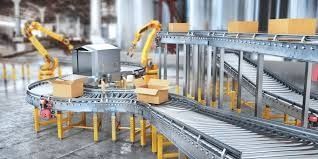
One of the most significant trends is the increased adoption of automated material handling systems. Facilities are incorporating automated guided vehicles, robotic picking equipment, and intelligent conveyor networks to support workflow efficiency.
Automation technologies are becoming more integrated with warehouse management software, allowing equipment to communicate and coordinate tasks more effectively.
Growth of Smart Material Handling Systems
Smart material handling systems use sensors, connected devices, and data analytics to monitor operations continuously. These systems can provide information about equipment performance, material flow patterns, and storage utilization.
Real-time visibility allows managers to identify bottlenecks and make informed operational adjustments.
Increased Use of Artificial Intelligence
Artificial intelligence tools are being integrated into material handling automation platforms. These tools help predict maintenance needs, optimize routes, and improve scheduling processes.
Predictive analysis can support more efficient resource allocation and reduce operational interruptions.
Sustainability Considerations
Many organizations are evaluating ways to reduce energy consumption and improve resource efficiency. New equipment designs often focus on energy-efficient motors, optimized conveyor layouts, and reduced material waste.
Sustainability initiatives are influencing equipment selection and facility planning across various industries.
Flexible System Design
Facilities increasingly require adaptable infrastructure that can accommodate changing inventory levels and operational requirements. Modular conveyor systems and scalable automation platforms are becoming more common.
This flexibility allows organizations to modify layouts as operational needs evolve.
Laws or Policies
Material handling systems are influenced by workplace safety regulations, industrial standards, and transportation guidelines. Specific requirements vary by country and industry.
Workplace Safety Regulations
Government agencies typically establish safety requirements related to equipment operation, employee training, and workplace design. These regulations help reduce risks associated with moving heavy materials.
Common areas of focus include:
- Equipment inspection procedures
- Worker safety training
- Load capacity requirements
- Emergency stop mechanisms
- Hazard communication practices
Machinery Standards
Industrial equipment manufacturers often follow technical standards that address machine safety, electrical systems, and operational performance.
Compliance with recognized standards helps support consistent equipment design and safer workplace environments.
Environmental Requirements
Some regions have regulations related to energy efficiency, emissions, and waste management. These policies may influence the design and operation of industrial conveyor systems and other material handling equipment.
Data and Automation Governance
As facilities adopt advanced automation technologies, data management and cybersecurity considerations are becoming more important. Connected equipment may require secure communication systems and appropriate access controls.
Tools and Resources
Organizations often use a combination of software platforms and planning tools to support material handling operations.
Common Planning and Analysis Tools
Several resources assist with system design and workflow evaluation:
- Warehouse layout planning software
- Material flow simulation tools
- Inventory management platforms
- Equipment utilization calculators
- Capacity planning templates
- Maintenance scheduling systems
Technology Platforms
Modern facilities frequently integrate multiple digital platforms, including:
| Tool Type | Purpose |
|---|---|
| Warehouse Management Systems | Track inventory and storage activities |
| Transportation Management Systems | Coordinate product movement |
| Enterprise Resource Planning Software | Connect operational data across departments |
| Asset Management Platforms | Monitor equipment condition |
| Data Analytics Tools | Analyze workflow performance |
| Automation Control Systems | Manage automated equipment operations |
Industry Organizations and Educational Resources
Industry associations, technical publications, and training institutions often provide educational materials related to material handling systems, safety practices, and equipment selection.
These resources can help individuals understand current trends and operational principles without requiring extensive technical knowledge.
FAQs
What are material handling systems?
Material handling systems are equipment and processes used to move, store, control, and protect materials throughout manufacturing, warehousing, and distribution activities. They help improve workflow organization and operational efficiency.
What equipment is included in warehouse material handling equipment?
Warehouse material handling equipment may include conveyors, forklifts, pallet handling systems, automated storage systems, lifting devices, carts, and robotic technologies used for transporting and organizing goods.
How do automated material handling systems work?
Automated material handling systems use software, sensors, conveyors, robotics, and control technologies to move materials with limited manual involvement. These systems can improve consistency and support large-scale operations.
What are industrial conveyor systems used for?
Industrial conveyor systems transport products and materials between locations within a facility. They are commonly used in manufacturing plants, warehouses, airports, and distribution centers to support continuous material flow.
How do smart material handling systems improve workflow efficiency?
Smart material handling systems collect operational data through sensors and connected technologies. This information helps monitor equipment performance, identify bottlenecks, and support more informed decision-making regarding workflow management.
Conclusion
Material handling systems play a vital role in moving, storing, and managing materials across industrial and warehouse environments. Over time, these systems have evolved from simple mechanical tools to advanced automated and connected technologies. Automated material handling systems, industrial conveyor systems, and pallet handling systems contribute to organized workflows and improved operational coordination. As digital technologies continue to develop, smart material handling systems are becoming an increasingly important part of modern industrial operations. Understanding the equipment, processes, and technologies involved provides valuable insight into how materials move efficiently through today's supply chains.