Industrial Bioenergy Insights for Sustainable Energy and Modern Industry
Industrial bioenergy refers to the production and use of energy generated from biological materials such as agricultural waste, forestry residues, organic matter, and industrial by-products. These materials, often called biomass, are converted into heat, electricity, or fuel through technologies like combustion, anaerobic digestion, gasification, and biofuel processing.
Industrial bioenergy exists because industries require large amounts of energy for manufacturing, transportation, heating, and processing activities. Traditional fossil fuels such as coal and oil have long been the primary energy source, but concerns about greenhouse gas emissions and climate change have increased interest in renewable alternatives.
Many countries now consider industrial bioenergy an important part of the global transition toward cleaner energy systems. Industries including food processing, agriculture, paper manufacturing, and chemical production increasingly use biomass resources to improve sustainability and energy diversification.
Why Industrial Bioenergy Matters Today
Industrial bioenergy has become more important because governments, businesses, and communities are searching for ways to reduce carbon emissions while maintaining industrial productivity. Rapid industrial growth and increasing electricity demand have made renewable energy solutions a global priority.
Key Reasons Industrial Bioenergy Is Important
- Reduces dependence on fossil fuels
- Supports renewable energy targets
- Helps manage agricultural and organic waste
- Encourages rural economic development
- Contributes to lower greenhouse gas emissions
- Supports energy security in developing and developed economies
Industries benefit from bioenergy because many manufacturing processes produce organic waste that can be reused for energy generation. For example, sugar mills can use bagasse, while wood-processing industries may use sawdust and wood chips as fuel sources.
The topic affects governments, environmental agencies, industrial manufacturers, farmers, researchers, and energy infrastructure planners. Bioenergy also supports circular economy practices by turning waste into usable energy resources.
Industrial Bioenergy Technologies
Different technologies are used to convert biomass into usable energy. Each technology is suitable for specific industrial applications and resource types.
| Technology | Main Biomass Source | Energy Output | Common Industrial Use |
|---|---|---|---|
| Combustion | Wood waste, crop residues | Heat and electricity | Manufacturing plants |
| Anaerobic Digestion | Organic waste, food waste | Biogas | Waste management facilities |
| Gasification | Biomass pellets, forestry waste | Synthetic gas | Power generation |
| Biofuel Production | Corn, sugarcane, algae | Liquid fuels | Transportation and logistics |
| Combined Heat and Power | Mixed biomass | Heat and electricity | Industrial processing |
Recent Updates in Industrial Bioenergy
Industrial bioenergy has experienced rapid growth and policy attention during 2025 and 2026. Many countries are expanding renewable energy programs to meet international climate commitments.
Major Trends and Developments
Growth in Biomass Power Projects
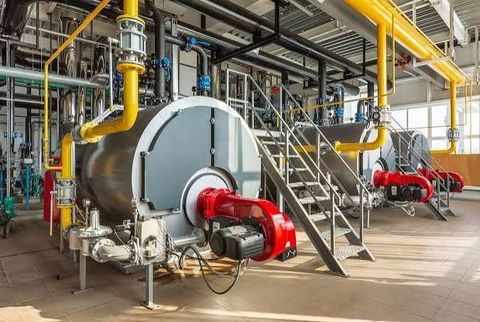
Several countries in Asia and Europe announced new biomass energy facilities in 2025 to strengthen renewable electricity production. Industrial sectors are integrating biomass boilers into manufacturing systems to improve energy efficiency.
Increased Interest in Sustainable Aviation Fuel
The aviation industry has increased investment in biofuel research, especially sustainable aviation fuel derived from biomass feedstocks. This trend gained momentum throughout 2025 as countries focused on carbon reduction targets.
Advances in Waste-to-Energy Technology
Modern waste-to-energy systems now use improved gasification and anaerobic digestion methods. These technologies help industries convert organic waste into cleaner energy with reduced emissions.
Carbon Reduction Strategies
Many industries are combining bioenergy systems with carbon capture technologies. This approach aims to support climate goals while maintaining industrial output.
Expansion of Green Energy Financing
International climate programs and energy transition initiatives continue to support renewable infrastructure projects. Bioenergy remains a major area of interest for environmental investment discussions.
Environmental and Economic Impact
Industrial bioenergy can influence both environmental sustainability and economic development. The environmental benefits largely depend on responsible biomass sourcing and efficient energy conversion technologies.
Environmental Contributions
- Reduced landfill waste
- Lower methane emissions from organic waste
- Renewable alternative to coal and oil
- Support for climate action strategies
- Improved waste recycling practices
Economic Contributions
- Development of renewable energy infrastructure
- Increased demand for agricultural by-products
- Expansion of clean energy research
- Support for rural biomass supply chains
- Greater energy diversification
At the same time, experts continue to discuss concerns related to land use, deforestation risks, transportation emissions, and biomass sustainability standards. Responsible management remains essential for long-term environmental benefits.
Laws and Policies Affecting Industrial Bioenergy
Industrial bioenergy is strongly influenced by environmental regulations, energy policies, and climate agreements. Governments worldwide are introducing renewable energy targets and carbon reduction programs.
Common Policy Areas
Renewable Energy Targets
Many countries have national renewable energy goals that encourage industries to adopt cleaner energy systems. Bioenergy often forms part of these strategies.
Emissions Regulations
Industrial facilities may face stricter greenhouse gas reporting requirements and emission reduction standards. Bioenergy systems can help industries align with environmental expectations.
Biomass Sustainability Standards
Several governments now require sustainable sourcing practices for biomass materials. These rules help reduce risks linked to deforestation and ecosystem damage.
Waste Management Policies
Organic waste recycling programs encourage industries to process waste into energy instead of sending it to landfills.
International Climate Agreements
Global agreements focused on carbon reduction continue to influence national energy policies. Industrial bioenergy is frequently included in long-term climate planning frameworks.
Countries including India, Germany, Brazil, the United States, and Sweden continue expanding renewable energy programs that include biomass and biofuel development.
Tools and Resources for Industrial Bioenergy
Many digital resources and platforms help industries, researchers, and policymakers understand bioenergy systems more effectively.
Useful Tools and Platforms
Energy Calculators
Energy efficiency and biomass conversion calculators help estimate fuel consumption, emissions reductions, and electricity generation capacity.
Government Energy Portals
National renewable energy websites provide policy updates, sustainability guidelines, and technical reports related to industrial bioenergy.
Environmental Monitoring Software
Industries use monitoring platforms to track emissions, fuel usage, and operational performance in bioenergy facilities.
Biomass Mapping Tools
Geographic information systems help identify biomass availability, transportation networks, and renewable energy opportunities.
Research Databases
Academic and scientific databases publish studies about renewable fuels, carbon reduction technologies, and biomass innovations.
Helpful Learning Resources
- Renewable energy agency publications
- Climate policy reports
- University energy research centers
- Industrial sustainability frameworks
- International energy outlook reports
Challenges Facing Industrial Bioenergy
Despite its benefits, industrial bioenergy also faces technical and environmental challenges.
Common Challenges
Biomass Supply Stability
Industries require consistent biomass availability throughout the year. Seasonal agricultural production can affect fuel supply reliability.
Transportation and Storage
Biomass materials often require large storage areas and transportation logistics, which may increase operational complexity.
Technology Investment Requirements
Advanced bioenergy technologies require specialized infrastructure and skilled operation.
Sustainability Concerns
Improper biomass harvesting practices can negatively affect ecosystems and biodiversity.
Emissions Monitoring
Although bioenergy is renewable, emissions from combustion and transportation still require careful monitoring and management.
Addressing these challenges requires collaboration between governments, industries, researchers, and environmental organizations.
Frequently Asked Questions
What is industrial bioenergy used for?
Industrial bioenergy is used to produce heat, electricity, steam, and renewable fuels for manufacturing facilities, transportation systems, and industrial operations.
Is industrial bioenergy considered renewable energy?
Yes. Industrial bioenergy is generally classified as renewable energy because it uses biological materials that can be replenished over time when managed sustainably.
What materials are commonly used in industrial bioenergy?
Common biomass sources include agricultural residues, wood waste, forestry by-products, food waste, animal waste, and energy crops.
Does industrial bioenergy reduce carbon emissions?
Industrial bioenergy can help reduce greenhouse gas emissions compared to fossil fuels, especially when biomass sourcing and energy conversion are managed responsibly.
Which industries use bioenergy the most?
Industries such as agriculture, food processing, paper manufacturing, chemical production, and waste management frequently use bioenergy technologies.
Conclusion
Industrial bioenergy plays an increasingly important role in the global transition toward renewable energy and sustainable industrial development. By converting biological materials into electricity, heat, and renewable fuels, industries can improve waste management practices and reduce dependence on traditional fossil fuels.
Recent technological advances, environmental policies, and renewable energy targets continue to shape the growth of industrial bioenergy worldwide. At the same time, sustainability standards and responsible biomass management remain essential for ensuring long-term environmental benefits.
As countries strengthen climate strategies and energy diversification efforts, industrial bioenergy is expected to remain a significant part of future energy discussions, infrastructure planning, and clean technology innovati