Steam Boiler System Guide: Understanding Components, Functions, and Industrial Uses
A steam boiler system is a mechanical arrangement designed to produce steam by heating water.
Steam has been used for centuries as a source of energy for transportation, manufacturing, heating, and power generation. Early steam systems played a major role during the Industrial Revolution, helping factories operate machinery more efficiently than manual methods.
Today, steam remains an important utility across many industries. A modern industrial steam boiler converts water into steam through controlled heating processes. The generated steam can then be used for heating, sterilization, drying, power generation, and numerous manufacturing activities.
Steam generation systems are found in factories, hospitals, food processing facilities, educational institutions, and commercial buildings. Depending on operational requirements, systems may include commercial steam boiler systems, industrial steam generators, or high pressure steam boilers designed for demanding industrial environments.
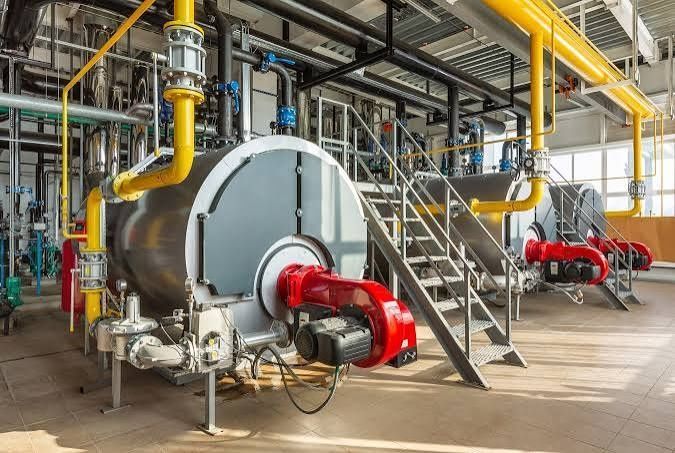
A typical steam boiler system consists of several interconnected components that work together to produce and distribute steam safely and efficiently. These components include boilers, pumps, valves, piping networks, boiler control systems, and boiler water treatment systems.
Main Components of a Steam Boiler System
Understanding the primary parts of a steam boiler system helps explain how steam is generated and distributed.
- Boiler vessel – Contains water and transfers heat to create steam.
- Burner or heat source – Provides the energy required to heat water.
- Feedwater pump – Supplies water to the boiler.
- Steam drum – Separates steam from water in certain boiler designs.
- Safety valves – Help manage pressure levels within safe operating limits.
- Boiler control systems – Monitor temperature, pressure, and operating conditions.
- Boiler water treatment systems – Help maintain water quality and reduce equipment wear.
- Piping network – Delivers steam to equipment and returns condensate when applicable.
How Steam Generation Works
The steam generation process generally follows a sequence of steps:
- Water enters the system through feedwater equipment.
- The boiler heats the water using fuel, electricity, biomass, or another energy source.
- Water converts into steam as temperature increases.
- Steam moves through pipes to equipment or processes.
- Condensed steam may return to the system for reuse.
This process allows steam plant equipment to support a wide range of industrial and commercial activities.
Importance
Steam continues to play a significant role in modern infrastructure because it transfers heat effectively and can support numerous industrial processes. Many sectors depend on steam for operations that require controlled temperatures and consistent energy delivery.
Industries That Use Steam Boiler Systems
Steam boiler systems are commonly used in:
- Food and beverage production
- Pharmaceutical manufacturing
- Textile processing
- Chemical manufacturing
- Paper and pulp facilities
- Healthcare institutions
- Educational campuses
- District heating networks
- Power generation facilities
In these environments, steam helps maintain production consistency and supports equipment that requires thermal energy.
Supporting Industrial Productivity
An industrial steam boiler provides a reliable source of heat that can be distributed across multiple production areas. Steam is often used for sterilization, drying, cooking, cleaning, and chemical reactions. Without steam systems, many industrial processes would require alternative heating methods that may not fit operational requirements.
Energy Management and Efficiency
Energy consumption remains an important consideration for organizations that operate boilers. As a result, energy efficient steam boilers have become increasingly important. Improved insulation, advanced combustion controls, and automated monitoring technologies help reduce energy losses while maintaining performance.
Environmental Considerations
Modern facilities often seek ways to reduce emissions and improve resource management. Biomass steam boiler systems are one example of an alternative approach that uses organic materials as fuel sources. While operational characteristics vary, these systems are often evaluated alongside conventional boiler technologies as part of broader sustainability initiatives.
Common Boiler Types
The following table summarizes several common steam boiler categories.
| Boiler Type | Typical Application | Pressure Range |
|---|---|---|
| Fire-Tube Boiler | Small to medium facilities | Low to medium |
| Water-Tube Boiler | Large industrial plants | Medium to high |
| Electric Boiler | Specialized facilities | Low to medium |
| Biomass Boiler | Facilities using biomass fuel | Varies |
| High Pressure Boiler | Power generation and heavy industry | High |
High pressure steam boilers are often used where large quantities of steam must be generated continuously for industrial operations.
Recent Updates
Steam boiler technology continues to evolve as industries focus on efficiency, automation, emissions management, and operational visibility.
Smart Monitoring Technologies
One notable trend is the growing use of smart boiler monitoring systems. These systems collect real-time operational data and help operators observe performance indicators such as pressure, temperature, fuel consumption, and maintenance requirements.
Remote monitoring capabilities allow personnel to review system conditions from centralized dashboards, improving awareness of equipment performance.
Advanced Boiler Control Systems
Modern boiler control systems increasingly use digital sensors and automated controls. These technologies help maintain stable operating conditions while reducing unnecessary energy consumption.
Features commonly found in newer systems include:
- Automated pressure management
- Digital performance tracking
- Fault detection alerts
- Remote operational monitoring
- Predictive maintenance support
Improved Water Management
Boiler water treatment systems continue to advance through better filtration, chemical management, and monitoring technologies. Improved water quality helps reduce scale formation, corrosion, and other operational challenges that may affect equipment performance.
Alternative Fuel Development
Many facilities are exploring alternative fuel options as part of broader energy strategies. Biomass steam boiler systems and hybrid approaches continue to receive attention in industries seeking diverse energy sources while maintaining steam production capabilities.
Greater Integration with Industrial Data Systems
Steam generation systems are increasingly connected with facility-wide monitoring platforms. This integration supports centralized management of energy use, maintenance planning, and production operations.
Laws or Policies
Steam boiler operation is generally governed by safety regulations, technical standards, environmental requirements, and inspection programs. Specific requirements vary by country, region, and industry.
Safety Regulations
Government agencies often establish safety requirements for boiler installation, operation, and maintenance. These regulations help reduce risks associated with pressure equipment.
Common regulatory areas include:
- Pressure vessel design standards
- Operator training requirements
- Inspection schedules
- Safety valve testing
- Emergency shutdown procedures
Environmental Requirements
Industrial facilities may be subject to environmental regulations related to emissions, fuel usage, and energy management. These requirements often influence equipment design and operational practices.
Equipment Certification Standards
Steam boiler manufacturers frequently design equipment according to recognized engineering standards. Certification frameworks help verify that boilers meet applicable construction and safety requirements before entering operation.
Inspection Programs
Many jurisdictions require periodic inspections of steam plant equipment. Inspections may include evaluations of pressure vessels, piping systems, controls, and safety devices.
These programs help confirm continued compliance with applicable regulations and operational requirements.
Tools and Resources
A variety of tools and resources help organizations understand, manage, and maintain steam boiler systems.
Boiler Efficiency Calculators
Efficiency calculators help estimate boiler performance by analyzing fuel consumption, steam output, and operating conditions. These tools are often used during energy assessments.
Water Quality Testing Resources
Water testing tools help monitor factors such as:
- pH levels
- Hardness
- Dissolved solids
- Conductivity
- Oxygen content
These measurements support effective boiler water treatment systems.
Monitoring Platforms
Smart boiler monitoring systems often include dashboards that display:
- Steam production rates
- Pressure readings
- Temperature data
- Equipment alerts
- Historical performance trends
These platforms support operational visibility and maintenance planning.
Engineering Standards and Technical References
Industry organizations publish technical documents covering:
- Boiler design
- Steam calculations
- Safety practices
- Water treatment guidance
- Inspection procedures
These references help operators and engineers better understand steam generation systems.
Training and Educational Resources
Many educational institutions, industry associations, and technical organizations provide learning materials related to industrial steam generators, steam plant equipment, and boiler operations.
FAQs
What is a steam boiler system?
A steam boiler system is a collection of equipment that heats water to produce steam. The steam is then distributed for heating, manufacturing, sterilization, power generation, or other industrial purposes.
How does an industrial steam boiler work?
An industrial steam boiler heats water using a fuel source or electrical energy. As the water reaches the required temperature, it turns into steam, which is delivered through piping to various processes or equipment.
What are high pressure steam boilers used for?
High pressure steam boilers are commonly used in power generation facilities, chemical plants, manufacturing operations, and other environments that require large volumes of steam at elevated pressures.
Why are boiler water treatment systems important?
Boiler water treatment systems help maintain water quality by reducing scale buildup, corrosion, and contamination. Proper water management supports efficient operation and helps protect equipment.
What are smart boiler monitoring systems?
Smart boiler monitoring systems use sensors, digital controls, and data platforms to track boiler performance in real time. They provide information about pressure, temperature, efficiency, and maintenance conditions.
Conclusion
Steam remains an essential energy medium across many industries, making the steam boiler system an important part of modern infrastructure. These systems combine boilers, controls, pumps, piping, and water treatment technologies to generate and distribute steam safely. Advances in automation, monitoring, and efficiency continue to shape the development of industrial steam boiler technology. Understanding the components, functions, and applications of steam generation systems helps explain their ongoing role in manufacturing, healthcare, energy production, and commercial facilities.