Arc Welding Machines: Expert Tips for Better Welding
Arc welding machines have become an essential part of modern manufacturing, construction, automotive repair, and heavy engineering. From small workshops to large industrial facilities, these machines help create strong and durable metal joints. As industries continue to adopt advanced metal fabrication techniques, understanding how arc welding equipment works can improve both welding quality and workplace safety.
Modern welding technology has evolved significantly over the last decade. Compact inverter welding machines, energy-efficient systems, and digital controls have made arc welding easier for beginners while increasing productivity for experienced professionals.
Understanding How Arc Welding Machines Work
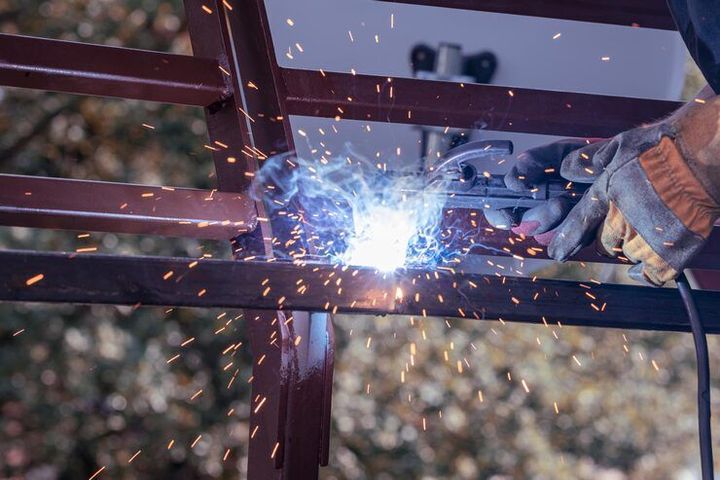
Arc welding is a process that joins metals by generating an electric arc between an electrode and the workpiece. The intense heat produced by the arc melts the metal surfaces, allowing them to fuse together as they cool.
The basic components of an arc welding setup include:
Power Source
The welding machine provides the electrical current needed to create and maintain the arc. Modern inverter welding machines are popular because they are lightweight and energy efficient.
Electrode
The electrode carries the current and may also provide filler material for the weld. Different electrodes are designed for different metals and applications.
Ground Clamp and Welding Cables
These components complete the electrical circuit and ensure stable arc performance during the welding process.
Common Types of Arc Welding Machines
Different projects require different welding methods. Choosing the right machine helps improve weld strength and efficiency.
Stick Welding Machines
Also known as Shielded Metal Arc Welding (SMAW), stick welding machines are widely used for outdoor work and heavy-duty applications. They perform well even in windy conditions.
Inverter Arc Welding Machines
These machines use advanced electronics to provide precise current control. They are compact, portable, and suitable for maintenance work, fabrication shops, and construction projects.
Industrial Arc Welding Equipment
Heavy industrial systems are designed for continuous operation in manufacturing plants, shipbuilding, pipeline construction, and structural steel fabrication.
Expert Tips for Better Welding Results
Using the right techniques can significantly improve weld quality and reduce common mistakes.
Select the Correct Electrode
The electrode should match the type and thickness of the metal being welded. Using the wrong electrode can cause weak welds, excessive spatter, and poor penetration.
Keep the Work Surface Clean
Rust, paint, oil, and dirt can contaminate the weld. Cleaning the metal before starting helps produce a stronger and more attractive weld.
Maintain Proper Arc Length
A stable arc length creates a smoother weld bead. Holding the electrode too close or too far from the workpiece may result in inconsistent welding.
Control Travel Speed
Moving too quickly may reduce penetration, while moving too slowly can create excessive heat buildup. Consistent movement helps achieve balanced weld quality.
Check Machine Settings
Adjusting the correct voltage and amperage based on material thickness improves performance and reduces defects.
The Importance of Welding Safety
Welding involves high temperatures, electrical current, and bright ultraviolet light. Following proper safety practices protects both the operator and nearby workers.
Wear Protective Equipment
Essential safety gear includes:
- Welding helmet with proper lens protection
- Heat-resistant gloves
- Flame-resistant clothing
- Safety boots
- Protective eyewear
Ensure Good Ventilation
Welding fumes can contain harmful particles. Proper airflow or industrial ventilation systems help maintain a safer working environment.
Inspect Equipment Regularly
Damaged cables, loose connections, or worn electrodes can affect machine performance and increase safety risks.
Industries That Depend on Arc Welding Machines
Arc welding technology supports many important industries across the world.
Construction
Steel frameworks, bridges, and commercial buildings rely on strong welded joints for structural integrity.
Automotive Manufacturing
Vehicle frames, exhaust systems, and body panels often require precision welding during production and repair.
Shipbuilding and Marine Engineering
Large steel structures in ships and offshore platforms depend on reliable industrial welding processes.
Energy and Infrastructure
Pipelines, power plants, renewable energy installations, and industrial facilities use advanced welding equipment for assembly and maintenance.
Latest Trends in Arc Welding Technology
The global welding industry continues to grow as automation and smart manufacturing become more common.
Some important trends include:
- Energy-efficient inverter welding machines
- Digital control systems for better precision
- Automated robotic welding solutions
- Improved electrode materials
- Portable welding equipment for field operations
Industry reports suggest that the demand for advanced welding technology is increasing due to expanding infrastructure projects and industrial modernization around the world.
Choosing the Right Arc Welding Machine
Selecting the best machine depends on several factors:
Material Type
Different metals require different welding capabilities and power settings.
Project Size
Light maintenance tasks may only need a portable inverter machine, while industrial fabrication requires heavy-duty equipment.
Duty Cycle
Machines with a higher duty cycle can operate longer without overheating, making them suitable for demanding applications.
Power Supply
Understanding available voltage requirements helps ensure compatibility with the work environment.
Conclusion
Arc welding machines remain one of the most valuable tools in metal fabrication and industrial manufacturing. Advances in inverter technology, digital controls, and welding safety have made modern equipment more efficient and user-friendly than ever before.
By choosing the right welding equipment, maintaining proper machine settings, and following expert welding techniques, operators can achieve stronger welds and better long-term performance. As industries continue to invest in advanced manufacturing and infrastructure development, arc welding technology will remain a key part of the global industrial landscape.