Understanding Food Extruder Machines: Process, Innovation & Industry Facts
Food extruder machines are widely used in modern food manufacturing to shape, cook, and improve a variety of food products. This guide explains how these machines work, why they matter, recent industry developments, regulations, useful resources, and common questions in simple language.
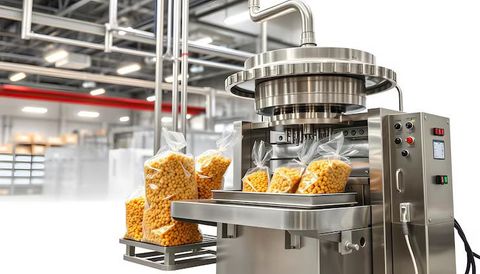
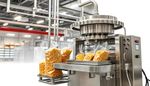
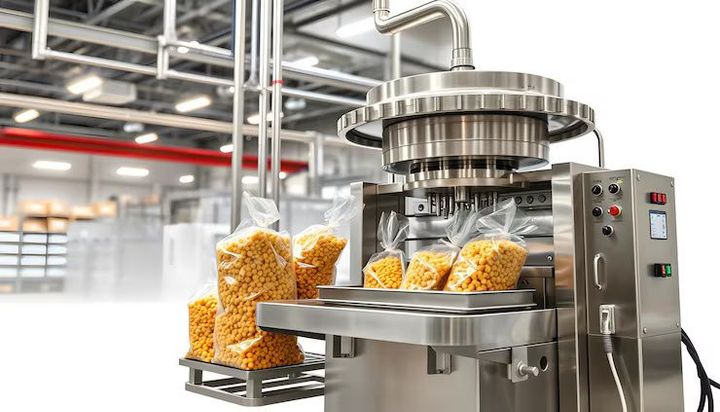
Food extruder machines are industrial processing systems that mix, compress, heat, and shape food ingredients into specific forms. They are commonly used to produce cereals, snacks, pasta, pet food, plant-based foods, and textured protein products. The extrusion process combines several manufacturing steps into one continuous operation, making production more consistent and efficient.
Modern food processing relies on extrusion technology because it improves product uniformity while supporting different ingredient combinations. Food engineering, industrial automation, manufacturing equipment, quality control systems, and production technology are closely connected with food extrusion.
Basic Food Extrusion Process
| Processing Stage | Purpose |
|---|---|
| Ingredient Mixing | Combines raw materials evenly |
| Feeding | Transfers ingredients into the extruder |
| Heating & Pressure | Changes texture and structure |
| Shaping | Forms the desired product |
| Cooling & Drying | Stabilizes the final product |
| Packaging Preparation | Prepares products for storage |
Importance
Why Food Extruder Machines Matter Today
Food extrusion technology supports growing demand for safe, consistent, and innovative food products. As food manufacturers develop healthier recipes and alternative protein products, extrusion has become an important production method.
The technology benefits:
- Food manufacturers
- Agricultural processing industries
- Research laboratories
- Food engineers
- Quality assurance teams
- Educational institutions
Food extrusion also helps solve several manufacturing challenges:
- Improves production consistency
- Supports ingredient flexibility
- Reduces material waste
- Enhances food texture
- Maintains standardized product quality
- Supports automated manufacturing environments
Industry Applications
| Industry | Common Products |
|---|---|
| Snack Manufacturing | Corn snacks, puffs |
| Breakfast Foods | Cereals |
| Pasta Production | Various pasta shapes |
| Pet Nutrition | Dry pet food |
| Plant-Based Foods | Textured vegetable protein |
Recent Updates
Industry Trends During the Past Year
During 2025 and early 2026, several developments have influenced food extrusion technology worldwide.
Manufacturers have increased the use of automation, digital monitoring, and artificial intelligence to improve production efficiency. Smart sensors now help monitor moisture, temperature, pressure, and product consistency in real time.
Sustainability has also become an important focus. Many production facilities are improving energy efficiency and exploring methods to reduce water usage during manufacturing.
Another major trend is the growing interest in plant-based ingredients and alternative protein processing. Food extrusion continues to play an important role in creating meat alternatives and protein-rich food products with improved texture.
Data analysis and predictive maintenance are also becoming more common, helping facilities monitor equipment performance before unexpected interruptions occur.
Technology Adoption Trend
| Trend | Industry Growth |
|---|---|
| Smart Automation | Increasing |
| Digital Quality Monitoring | Increasing |
| Sustainable Manufacturing | Increasing |
| Alternative Protein Processing | Increasing |
| Predictive Maintenance | Increasing |
Laws and Policies
Food Manufacturing Regulations
Food extrusion equipment operates within food safety and manufacturing regulations established by different countries. These rules help ensure hygienic production, safe processing conditions, and product quality.
Common regulatory areas include:
- Food safety management systems
- Equipment sanitation standards
- Manufacturing hygiene practices
- Product traceability requirements
- Hazard analysis and preventive controls
- Worker safety regulations
Many countries also encourage modern food manufacturing through industrial modernization initiatives and food processing development programs that support technology improvements while maintaining consumer safety.
Environmental regulations increasingly encourage efficient energy use, responsible waste management, and sustainable manufacturing practices across food processing industries.
Tools and Resources
Helpful Learning Resources
People interested in food extrusion technology often use educational resources such as:
- Food processing calculators
- Moisture calculation tools
- Production planning templates
- Manufacturing process flow diagrams
- Food safety training materials
- Equipment maintenance checklists
- Quality inspection forms
- Industrial engineering learning guides
- Process monitoring software
- Technical research publications
These resources help students, engineers, manufacturers, and researchers better understand food processing operations and quality management.
Frequently Asked Questions
What is the main purpose of a food extruder machine?
A food extruder machine combines mixing, cooking, shaping, and forming into one continuous process, creating consistent food products with controlled texture and appearance.
Which foods are commonly produced using extrusion?
Common examples include breakfast cereals, snack foods, pasta, pet food, textured vegetable protein, and certain nutritional products.
Why is extrusion important in food manufacturing?
Extrusion improves production efficiency, supports product consistency, reduces material waste, and allows manufacturers to process a wide variety of ingredients.
How has food extrusion technology changed recently?
Recent improvements include digital monitoring, automated process control, smart sensors, predictive maintenance, and greater focus on sustainable manufacturing.
Are food extruder machines regulated?
Yes. Food extrusion equipment operates under food safety, hygiene, manufacturing quality, and workplace safety regulations established by national authorities.
Conclusion
Food extruder machines have become an essential part of modern food manufacturing by combining multiple processing steps into a continuous and efficient system. They support consistent product quality, flexible ingredient processing, and improved manufacturing efficiency across many food categories. As automation, digital monitoring, and sustainable production continue to advance, extrusion technology is expected to remain an important part of the global food industry while helping manufacturers meet evolving quality and safety expectations.
Disclaimer
This article is intended for educational and informational purposes only. Manufacturing practices, food safety regulations, and industry standards may vary by country and production environment. Readers should consult applicable regulatory guidance and qualified technical professionals for specific operational or compliance requirements.