Capsule Filling Machines: Guide to Modern Pharma Systems
Capsule filling machines are automated pharmaceutical manufacturing systems designed to accurately fill hard capsules with powders, granules, pellets, or other suitable formulations while supporting consistent production and quality control.
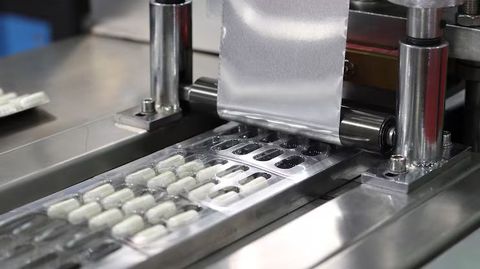
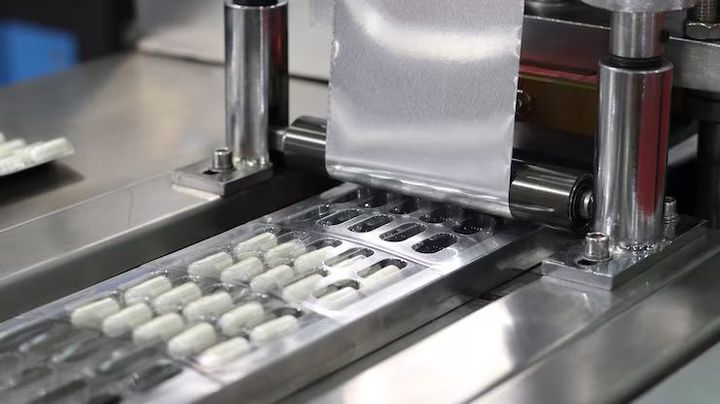
Capsule filling machines are specialized pharmaceutical manufacturing equipment used to place measured quantities of formulation into empty hard capsules. Depending on the machine design, the formulation may include powder, granules, pellets, or similar solid materials. The equipment generally separates capsule bodies and caps, fills the selected material, joins the capsule parts, and prepares filled capsules for subsequent processing.
The technology exists because manual capsule handling can be inconsistent when production volumes increase. Automated systems help manufacturers maintain repeatable filling operations and integrate quality checks into pharmaceutical production workflows. FDA guidance notes that capsules can contain powder, beads, or liquids and that filling operations require appropriate manufacturing controls and in-process testing.
Why Capsule Filling Technology Matters
Capsule filling affects several important areas of pharmaceutical manufacturing, including dosage consistency, production efficiency, contamination control, and documentation.
Modern pharmaceutical equipment increasingly combines mechanical operations with sensors, programmable controls, and automated monitoring. Important considerations include:
- Accurate powder or granule dosing
- Consistent capsule separation and closing
- Dust and cross-contamination control
- Equipment cleaning and maintenance
- In-process quality inspection
- Batch documentation and traceability
These factors are particularly important because pharmaceutical manufacturers operate under Good Manufacturing Practice (GMP) requirements. Equipment must be appropriately designed, maintained, and suitable for its intended use.
Recent Developments and Industry Trends
During 2025 and 2026, pharmaceutical manufacturing continued moving toward greater automation, stronger quality systems, and more structured regulatory oversight.
In January 2026, the U.S. Food and Drug Administration announced its FDA PreCheck Pilot Program, designed to encourage earlier regulatory engagement for new pharmaceutical manufacturing facilities and strengthen domestic manufacturing capacity. In June 2026, FDA announced seven participants selected for the pilot program.
For capsule production, these broader developments support interest in technologies such as automated process monitoring, electronic records, equipment qualification, data integrity controls, and advanced manufacturing systems.
India has also continued strengthening pharmaceutical GMP implementation. In February 2025, a Gazette notification addressed extensions related to compliance with revised Schedule M requirements.
Laws, GMP Rules, and Regulatory Frameworks
In India, capsule manufacturing falls within the broader pharmaceutical manufacturing framework regulated through the Drugs and Cosmetics Rules and GMP requirements under Schedule M. Schedule M specifically includes requirements for oral solid dosage forms such as tablets and capsules, including controls addressing premises, equipment, dust, and cross-contamination.
Manufacturers supplying medicines to the United States must also consider FDA requirements. FDA regulations include 21 CFR Parts 210 and 211, which establish minimum requirements for pharmaceutical manufacturing, processing, packing, and quality controls.
Recent FDA inspection activity also demonstrates the continuing importance of equipment qualification, process validation, quality-unit oversight, and documented manufacturing controls.
Useful Tools and Resources
Manufacturing teams can use several general resources when evaluating capsule filling processes:
- Equipment qualification checklists for installation and operational verification
- Batch manufacturing record templates
- Preventive maintenance schedules
- Cleaning validation worksheets
- Calibration and measurement records
- Production monitoring dashboards
- Powder-flow and moisture assessment tools
- GMP audit checklists
- Process validation documentation templates
- Digital quality management systems
These resources can help organize production information, identify process variations, and support consistent documentation.
Frequently Asked Questions
What does a capsule filling machine do?
It fills empty hard capsules with an accurately measured formulation and then joins the capsule body and cap. Depending on the system, additional inspection and monitoring functions may also be incorporated.
What materials can capsules contain?
Hard capsules may contain powders, granules, pellets, beads, and certain other formulations, depending on the capsule design and pharmaceutical formulation.
Why is GMP important for capsule filling?
GMP helps ensure that manufacturing processes, facilities, equipment, documentation, and quality controls consistently support the required identity, strength, quality, and purity of pharmaceutical products.
What should manufacturers consider when selecting equipment?
Key considerations include intended production requirements, material characteristics, dosing accuracy, cleaning requirements, containment, equipment qualification, monitoring capabilities, and compatibility with the applicable GMP framework.
Are capsule filling machines fully automated?
Automation levels vary. Some systems perform several operations automatically, while others require greater operator involvement. The appropriate configuration depends on the manufacturing process and quality requirements.
Conclusion
Capsule filling machines play an important role in modern pharmaceutical manufacturing by supporting repeatable filling, controlled processing, and efficient production workflows. Their importance extends beyond mechanical operation because equipment design, process monitoring, cleaning, validation, and documentation all contribute to pharmaceutical quality.
Recent regulatory developments in India and the United States show continued emphasis on GMP compliance, manufacturing controls, process validation, and reliable quality systems. For organizations involved in pharmaceutical production, understanding these principles provides a useful foundation for evaluating capsule filling technology and modern manufacturing practices.
Disclaimer: This article is for general educational purposes only. Pharmaceutical manufacturing must follow the applicable laws, GMP requirements, technical standards, and regulatory instructions in the relevant jurisdiction.