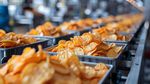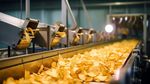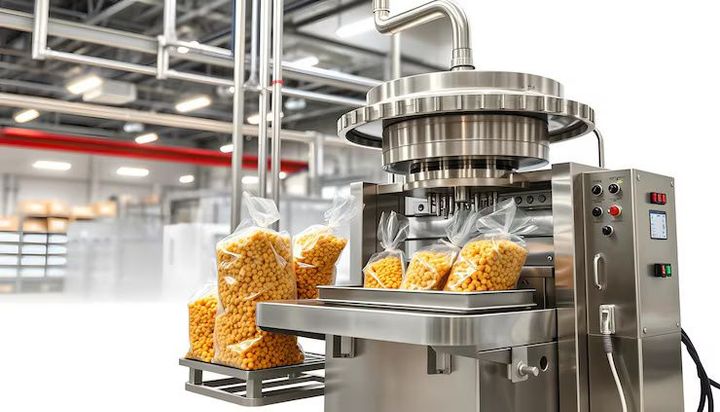
Namkeen processing machines have transformed modern snack production by improving consistency, hygiene, and operational efficiency. This guide explains how these machines work, why they matter, recent industry developments, relevant regulations, useful resources, and common questions in simple language.

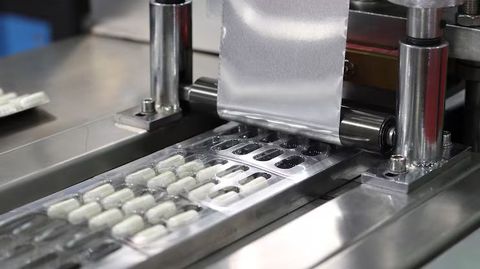
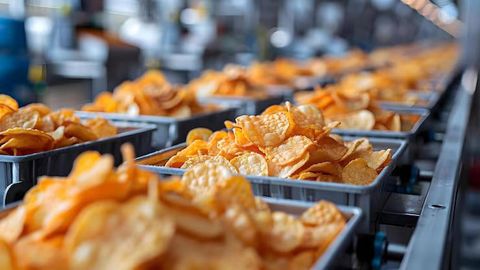
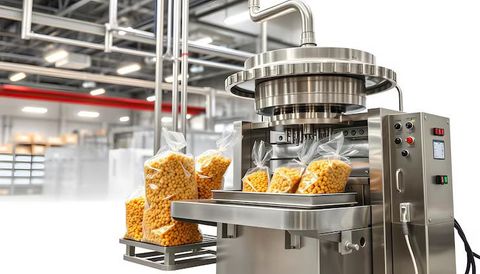
Namkeen processing machines are specialized food processing equipment designed to automate different stages of traditional savory snack preparation. These machines handle activities such as ingredient mixing, dough preparation, shaping, frying, oil removal, seasoning, cooling, and packaging with greater consistency than manual methods.
As demand for packaged snacks continues to grow across many regions, food manufacturers increasingly rely on automated processing equipment to maintain uniform product quality while following food safety practices. Modern food manufacturing equipment also helps reduce production interruptions and supports better resource management.
Many production facilities now combine multiple processing stages into an integrated production line, allowing smoother workflow and improved coordination throughout the manufacturing process.
Typical Processing Flow
| Production Stage | Main Purpose |
|---|---|
| Ingredient Mixing | Creates uniform dough consistency |
| Forming & Shaping | Produces consistent snack shapes |
| Frying | Ensures even cooking |
| Oil Removal | Reduces excess surface oil |
| Seasoning | Improves flavor consistency |
| Cooling | Maintains product texture |
| Packaging | Supports freshness and storage |
Why Food Processing Automation Matters
Food production efficiency has become increasingly important as consumer expectations continue to rise. Manufacturers aim to maintain consistent taste, texture, hygiene, and production quality throughout every batch.
Modern namkeen processing machines help improve operational efficiency in several ways:
- Better production consistency
- Improved hygiene standards
- Reduced ingredient wastage
- Stable product quality
- Controlled cooking temperatures
- Improved production planning
- Easier quality monitoring
- Better workflow management
Automation also helps reduce variation between production batches. Digital monitoring systems can record important production data, making quality inspections more organized and transparent.
Production Efficiency Comparison
| Production Factor | Traditional Process | Automated Process |
|---|---|---|
| Batch Consistency | Moderate | High |
| Hygiene Control | Manual | Controlled |
| Process Monitoring | Limited | Continuous |
| Production Speed | Variable | Stable |
| Quality Tracking | Basic | Advanced |
Recent Updates in Food Processing Technology
The food processing industry has experienced several important developments during 2025–2026. Manufacturers continue adopting smarter production technologies to improve operational efficiency and food safety.
Some notable trends include:
- Greater use of automated control systems.
- Improved energy-efficient frying technologies.
- Digital production monitoring using connected sensors.
- Better oil filtration systems for consistent frying quality.
- Enhanced stainless-steel machine designs that simplify cleaning.
- Increased adoption of predictive maintenance software.
- Integration of production analytics for process optimization.
Growing interest in sustainable manufacturing has also encouraged companies to reduce energy consumption and optimize raw material utilization. Smart monitoring systems now provide real-time production insights, helping operators identify production variations earlier.
Industry Trend Overview
Automation Adoption ██████████
Quality Monitoring █████████
Digital Controls ████████
Energy Efficiency ████████
Smart Analytics ███████
Food Safety Laws and Regulatory Considerations
Food processing equipment operates within national food safety regulations designed to protect consumers.
In India, food manufacturers generally follow requirements established under food safety legislation covering:
- Equipment cleanliness
- Food-grade material usage
- Production hygiene
- Employee sanitation practices
- Product traceability
- Labeling compliance
- Quality management documentation
Many manufacturers also follow internationally recognized food safety management systems that encourage preventive quality control and continuous monitoring throughout the production process.
Regular inspections, documentation, and standardized operating procedures help maintain compliance while supporting consumer confidence in packaged food products.
Helpful Tools and Learning Resources
Food manufacturers and students can improve their understanding of food production through several practical resources.
Useful learning resources include:
- Food production planning templates
- Equipment maintenance checklists
- Production efficiency calculators
- Food safety audit forms
- Production scheduling software
- Quality inspection records
- Preventive maintenance logs
- Inventory management systems
- Energy consumption tracking tools
- Food manufacturing training materials
These resources help organize production activities while supporting better documentation and operational consistency.
Frequently Asked Questions
What is a namkeen processing machine?
A namkeen processing machine is food manufacturing equipment used to automate various stages of savory snack production, including mixing, shaping, frying, seasoning, cooling, and packaging.
How do these machines improve food production efficiency?
Automation helps maintain consistent production quality, improves hygiene, reduces ingredient waste, supports quality monitoring, and creates smoother production workflows.
Why is stainless steel commonly used in food processing equipment?
Food-grade stainless steel is durable, corrosion resistant, easy to clean, and supports hygienic food production environments.
Are automated food processing systems suitable for quality control?
Yes. Modern systems include sensors, temperature monitoring, production tracking, and digital reporting that support better quality management.
What skills are useful for understanding food processing equipment?
Basic knowledge of food manufacturing, production planning, hygiene practices, preventive maintenance, and quality control helps users understand how processing systems operate.
Conclusion
Namkeen processing machines have become an important part of modern food manufacturing by improving production efficiency, hygiene, consistency, and process control. As automation technologies continue to advance during 2025 and 2026, manufacturers are increasingly adopting digital monitoring, energy-efficient equipment, and data-driven production management.
Understanding how these machines operate provides valuable insight into today's evolving food processing industry. Whether viewed from an educational, technical, or operational perspective, modern processing equipment plays an essential role in supporting safe, efficient, and consistent snack production.
Disclaimer
This article is intended for general educational and informational purposes only. Regulations, food safety requirements, and manufacturing practices may differ by country or region. Readers should follow applicable local regulations and recognized food safety standards when working with food processing equipment.