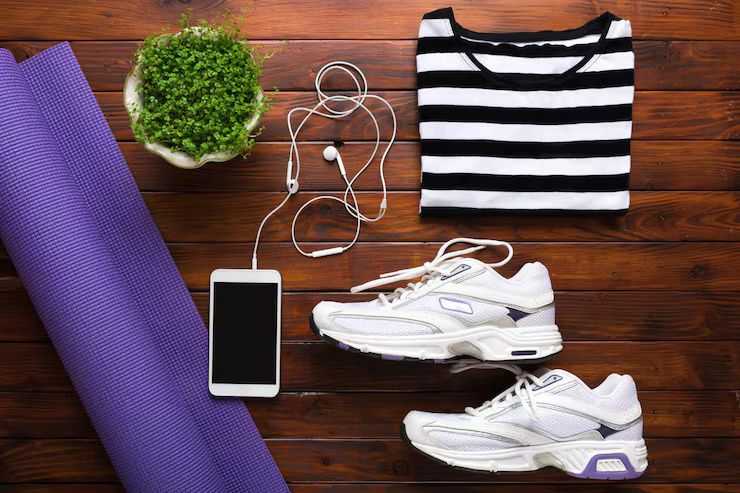
Athleisure refers to clothing designed for both physical activity and everyday wear. It blends elements of athletic apparel with casual fashion, creating outfits that are comfortable, functional, and suitable for a range of daily activities. The concept grew from changing lifestyle habits, including people seeking clothing that supports movement, flexibility, and long periods of wear without discomfort.
The rise of athleisure is strongly connected to shifts in how people work, commute, and manage daily routines. As hybrid and flexible work arrangements expanded over the past decade, clothing that adapts to different environments became increasingly relevant. Athleisure meets these needs by offering breathable fabrics, stretch materials, and modern designs that suit various contexts from work-from-home settings to informal social events.
Athleisure also exists because of the evolution of textile technology. Many brands now use moisture-wicking materials, recycled fibers, seamless construction, and temperature-regulating fabrics. These innovations give everyday clothing the same performance characteristics traditionally found in athletic wear.
Importance
Athleisure matters today because it affects how people experience comfort, mobility, and personal expression. It offers an alternative to formal or structured clothing, allowing individuals to dress in ways that support both physical well-being and daily function.
It is relevant to a wide audience, including:
-
Individuals seeking comfortable clothing for long workdays
-
People incorporating physical activity, stretching, or walking into daily routines
-
Students and commuters who need mobility-focused outfits
-
Those interested in minimalist wardrobes or capsule closet planning
-
Individuals who prioritize breathable and low-maintenance fabrics
Athleisure also addresses several common problems:
-
Comfort during long periods of sitting or standing. Stretch materials help reduce discomfort and pressure.
-
Temperature management. Technical fabrics improve ventilation and moisture control.
-
Adaptability. Many athleisure items work for multiple settings, reducing the need to change outfits throughout the day.
-
Durability. Performance materials tend to withstand repeated wear and washing.
-
Accessibility of movement. Clothing designed with ergonomic patterns supports natural motion.
Athleisure also intersects with broader discussions on work-life balance, health, and personal well-being. As people increasingly value comfort aligned with functional design, athleisure continues to influence mainstream fashion expectations.
Recent Updates
Several developments from the past year highlight how athleisure continues to evolve. These insights reflect trends observed globally across 2024 and 2025.
Growth of sustainable performance fabrics (2024–2025).
Many manufacturers expanded the use of recycled polyester, organic cotton blends, biodegradable fibers, and water-efficient dyeing methods. This shift reflects consumer interest in low-impact textiles and transparency in material sourcing.
Hybrid and adaptive clothing trends (2024).
Designers introduced more hybrid garments—such as stretch blazers, breathable trousers, and moisture-regulating tops—that combine formal silhouettes with performance features. These items gained attention throughout late 2024 as offices leaned toward flexible dress expectations.
Increased focus on size inclusivity (2024–2025).
Recent collections emphasize adaptive fits, extended sizing, and gender-neutral patterns, making athleisure more accessible. Many industry reports in 2024 highlighted inclusivity as a growing priority.
Tech-integrated fabrics (2025).
Some companies are exploring temperature-responsive materials, UV-protective textiles, and enhanced seam-free construction. These updates aim to improve comfort for prolonged wear.
Shift toward minimal aesthetics (2024).
Simple color palettes, clean lines, and non-branded designs became more widespread. This trend aligns with capsule wardrobe planning and preference for long-term wearable basics.
A summary of recent trends is shown in the table below:
| Trend (2024–2025) | Description | Impact |
|---|---|---|
| Sustainable fibers | Recycled and eco-friendly textiles | Lower environmental footprint |
| Hybrid silhouettes | Mix of formal and athletic design | Broader use in daily wear |
| Size inclusivity | Expanded sizing and adaptive fits | Better accessibility |
| Tech fabrics | Temperature- and moisture-responsive textiles | Enhanced comfort |
| Minimal design | Neutral tones and simple cuts | Versatile wardrobe use |
Laws or Policies
Athleisure is influenced by several regulations and standards, although these vary by region. Most policies relate to textile manufacturing, environmental requirements, and labeling rules rather than specific fashion categories.
Key factors include:
Textile labeling standards.
Many countries require manufacturers to disclose fiber composition, care instructions, and country of origin. These rules help consumers make informed choices and ensure that products meet safety and transparency requirements.
Chemical and dye regulations.
National and regional policies often limit the use of certain chemicals, dyes, and finishing treatments in textiles. These regulations aim to protect consumer health and reduce environmental impact. For example, many regions have restrictions on formaldehyde levels, dye toxicity, and water treatment processes used in textile production.
Environmental compliance.
Governments increasingly promote sustainable production practices through guidelines or certification programs related to water conservation, waste reduction, and energy efficiency in textile manufacturing.
Labor standards.
Although not unique to athleisure, general garment production is governed by rules that address workplace safety, fair treatment, and responsible manufacturing processes.
Import and trade regulations.
Countries set requirements for textile imports, customs classifications, and duties. These policies influence availability and pricing but do not typically target athleisure specifically.
Overall, regulations aim to ensure that garments are safe, properly labeled, and responsibly produced.
Tools and Resources
Several tools, apps, and platforms can support individuals exploring athleisure, wardrobe planning, and fabric selection. These resources help users understand material characteristics, outfit combinations, and garment durability.
Wardrobe and Styling Tools
-
Virtual wardrobe planners that help organize clothing and create outfit combinations
-
Style notebooks or digital templates for tracking capsule wardrobes
-
Color palette tools that assist in selecting neutral tones for versatile dressing
Fabric and Material Guides
-
Textile reference websites that explain moisture-wicking, compression, and stretch fabric properties
-
Online fabric composition databases for comparing performance features
-
Sustainability scorecards from environmental organizations
Lifestyle and Activity Tracking Apps
-
Movement or step-tracking apps to help plan clothing needs for daily activity
-
Hydration and wellness apps that pair well with active lifestyle routines
-
Stretch or mobility apps that complement clothing designed for movement
Care and Maintenance Resources
-
Digital laundry guides based on fabric composition
-
Apps that provide care reminders to extend garment lifespan
-
Checklists for evaluating garment durability
Example resource overview:
| Category | Purpose | Example Tools |
|---|---|---|
| Wardrobe planning | Organize and plan outfits | Virtual wardrobe apps |
| Fabric education | Learn about materials | Textile composition databases |
| Lifestyle apps | Track activity patterns | Step or wellness trackers |
| Garment care | Maintain clothing longevity | Laundry and care guide apps |
These tools support individuals who want to understand their clothing choices rather than promote any specific product or commercial activity.
FAQs
What makes athleisure different from regular casual clothing?
Athleisure uses performance-focused fabrics and construction techniques such as stretch, breathability, and moisture-wicking. While casual wear may prioritize appearance, athleisure emphasizes comfort and mobility, making it suitable for a wider range of activities.
Is athleisure appropriate for workplace settings?
Many workplaces accept athleisure-inspired clothing, especially where hybrid or flexible dress expectations exist. Items like performance trousers, structured stretch tops, and minimal designs can be appropriate in settings that allow smart casual attire.
Which fabrics are commonly found in athleisure?
Athleisure often includes polyester blends, spandex, nylon, moisture-wicking fibers, and technical materials designed to stretch or regulate temperature. Some garments also incorporate organic cotton blends or recycled fibers.
How has athleisure changed over the past year?
Recent trends include more sustainable materials, size-inclusive collections, hybrid designs that resemble formal clothing, and simple, minimalist styles. Technological advancements in textiles continue to improve comfort and functionality.
Does athleisure require special care?
Care instructions depend on the fabric. Many performance materials benefit from washing in cool water, avoiding fabric softeners, and air drying to maintain elasticity and moisture-wicking properties. Always follow the garment’s care label.
Conclusion
Athleisure continues to shape modern clothing expectations by combining comfort, function, and everyday practicality. It reflects broader lifestyle shifts, including flexible work patterns, greater focus on well-being, and interest in breathable, adaptable clothing. With ongoing innovations in textile technology and sustainability, athleisure remains a relevant and evolving category.
Understanding its context, trends, and regulations helps individuals make informed choices that support comfort, mobility, and personal style. As developments continue throughout 2025 and beyond, athleisure is likely to remain an important part of contemporary wardrobes around the world.