Automated vs. Manual Risk Tracking Frameworks in Enterprise GRC
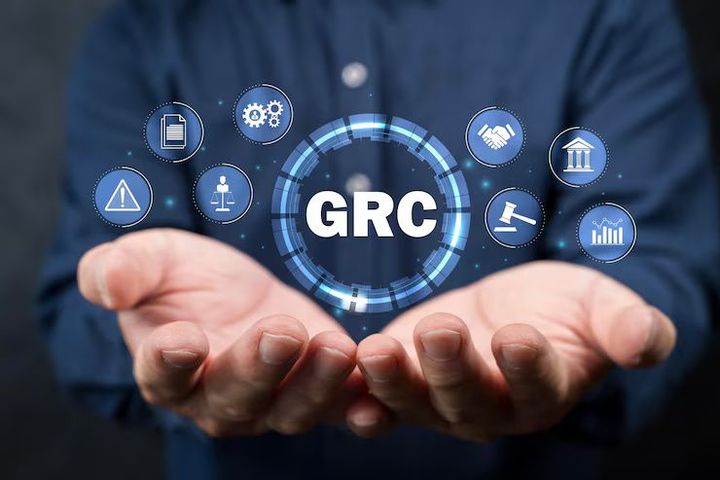
Organizations face a growing number of risks, from cybersecurity incidents and regulatory changes to operational disruptions and financial uncertainties. As a result, Governance, Risk, and Compliance (GRC) programs have become an important part of business planning and decision-making. A key element of any GRC program is risk tracking—the process of identifying, monitoring, assessing, and responding to potential threats that could affect organizational goals.
In 2026, many enterprises are evaluating whether automated risk tracking frameworks or manual risk tracking frameworks are more suitable for their needs. While both approaches aim to improve visibility into risk, they differ significantly in how information is collected, analyzed, and maintained.
This guide explains the differences between automated and manual risk tracking frameworks, their advantages and limitations, and the situations in which each approach may be appropriate.
Understanding Risk Tracking in Enterprise GRC
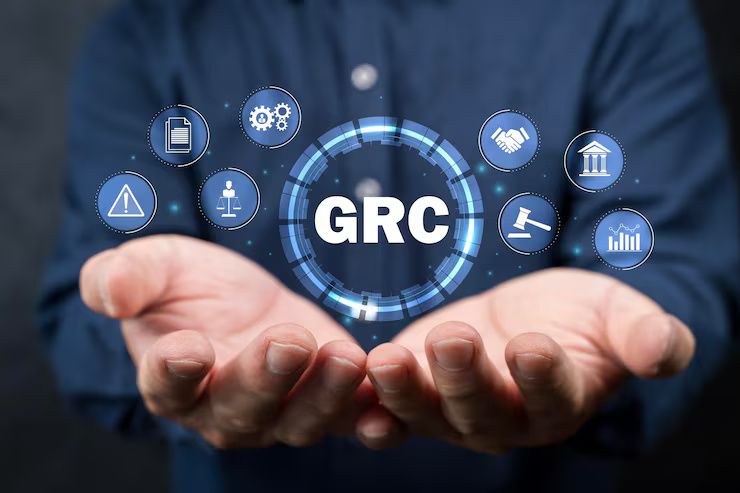
Risk tracking is the ongoing process of monitoring risks throughout their lifecycle. Organizations use risk tracking to understand what threats exist, how serious they are, who is responsible for addressing them, and whether mitigation efforts are working.
Effective risk tracking helps organizations:
- Identify emerging threats early
- Improve decision-making
- Maintain regulatory compliance
- Strengthen operational resilience
- Enhance organizational transparency
Without a structured framework, risks can remain unnoticed until they create significant disruptions.
What Is a Manual Risk Tracking Framework?
A manual risk tracking framework relies on human effort to collect, update, and review risk-related information. Data is often maintained through spreadsheets, documents, emails, meetings, and internal reports.
For many years, manual tracking was the standard method used by organizations of all sizes. Teams would gather information periodically, assess risks, update records, and communicate findings through reports.
Common Characteristics
- Spreadsheet-based risk registers
- Periodic risk reviews
- Manual reporting processes
- Human-led risk assessments
- Department-specific tracking methods
Advantages of Manual Tracking
One of the primary strengths of manual frameworks is simplicity. Organizations can begin tracking risks without implementing complex technology systems.
Manual processes also allow experienced professionals to apply judgment and contextual understanding when evaluating risks. Human insight remains valuable, especially when dealing with unique situations that may not fit predefined categories.
Additionally, smaller organizations with relatively stable environments may find manual methods manageable.
Limitations of Manual Tracking
As organizations grow, manual tracking can become difficult to maintain. Large volumes of information increase the likelihood of errors, inconsistencies, and outdated records.
Some common challenges include:
- Delayed updates
- Data entry mistakes
- Limited visibility across departments
- Time-intensive reporting
- Difficulty identifying trends quickly
When risk information is spread across multiple files and communication channels, maintaining a complete view becomes increasingly challenging.
What Is an Automated Risk Tracking Framework?
An automated risk tracking framework uses software, analytics, workflows, and monitoring tools to collect and manage risk-related information. Many modern GRC platforms include automation capabilities that streamline risk identification, assessment, reporting, and monitoring activities.
Automation helps organizations process large amounts of data more efficiently while reducing reliance on manual updates.
Common Characteristics
- Centralized risk databases
- Automated alerts and notifications
- Continuous monitoring
- Workflow automation
- Real-time dashboards
- Integrated reporting capabilities
Advantages of Automated Tracking
Automation provides greater visibility into risk conditions across the organization. Information can be updated continuously, helping teams identify changes more quickly.
Key benefits include:
- Faster detection of emerging risks
- Improved data consistency
- Reduced administrative effort
- Enhanced reporting accuracy
- Better cross-functional visibility
Automated systems can also support trend analysis by identifying patterns that might be difficult to detect through manual reviews alone.
Limitations of Automated Tracking
Automation is not a complete replacement for human judgment. Risk decisions often involve context, ethics, and strategic considerations that require human interpretation.
Organizations may also encounter challenges such as:
- Learning curves for users
- Data quality concerns
- Integration complexities
- Governance requirements
- Ongoing maintenance needs
The effectiveness of automation depends largely on the quality of data and processes supporting the framework.
Automated vs. Manual Risk Tracking: Key Differences
| Area | Manual Framework | Automated Framework |
|---|---|---|
| Data Collection | Human input | Automated data gathering |
| Updates | Periodic | Continuous |
| Reporting | Prepared manually | Generated automatically |
| Visibility | Often limited | Organization-wide view |
| Error Potential | Higher | Lower with proper controls |
| Trend Detection | Slower | Faster |
| Scalability | More difficult as data grows | Easier to expand |
| Response Time | Often delayed | Near real-time awareness |
The choice between these approaches depends on organizational size, risk exposure, regulatory obligations, and available resources.
Trends Shaping Risk Tracking in 2026
Several developments are influencing enterprise GRC strategies in 2026.
Increased Regulatory Complexity
Organizations continue to navigate evolving regulatory requirements across privacy, cybersecurity, financial reporting, and operational governance. This has increased the demand for more structured risk monitoring processes.
Artificial Intelligence Integration
Many modern GRC platforms now incorporate artificial intelligence to assist with risk classification, anomaly detection, and predictive analysis. These capabilities help teams prioritize risks more effectively.
Real-Time Monitoring Expectations
Organizations increasingly expect risk information to be available when needed rather than during quarterly reviews. Continuous monitoring has become an important objective for many enterprises.
Greater Board-Level Visibility
Executive leadership teams and boards are requesting more comprehensive risk reporting. Automated dashboards can help provide a clearer view of organizational risk exposure.
Enterprise-Wide Risk Management
Rather than treating risks separately by department, many organizations are adopting integrated approaches that connect operational, cybersecurity, compliance, and financial risks within a unified framework.
When Manual Tracking May Be Appropriate
Manual risk tracking can still be suitable in certain situations.
Examples include:
- Smaller organizations with limited risk complexity
- Early-stage risk management programs
- Departments managing a small number of risks
- Temporary projects with defined timelines
In these environments, manual processes may provide sufficient visibility without requiring extensive technological infrastructure.
When Automated Tracking May Be Appropriate
Automated frameworks often become valuable when organizations face:
- Large volumes of risk data
- Multiple business units
- Frequent regulatory requirements
- Rapidly changing risk environments
- Significant reporting obligations
Automation can help maintain consistency and visibility as complexity increases.
Building a Balanced Approach
For many organizations, the most practical strategy is not choosing one approach exclusively. Instead, they combine automation with human oversight.
Technology can handle repetitive monitoring tasks, data collection, and reporting, while experienced professionals focus on interpretation, decision-making, and strategic planning.
This balanced model allows organizations to benefit from efficiency while maintaining accountability and informed judgment.
Conclusion
Risk tracking remains a foundational component of enterprise GRC programs in 2026. Both manual and automated frameworks play important roles, depending on organizational needs and complexity.
Manual frameworks provide flexibility and human-driven assessment, making them suitable for smaller environments or less complex risk landscapes. Automated frameworks improve visibility, consistency, and monitoring capabilities, particularly in larger organizations managing substantial amounts of risk information.
Rather than viewing these approaches as competitors, many enterprises are adopting hybrid models that combine technological efficiency with professional expertise. As regulatory expectations, cybersecurity concerns, and operational challenges continue to evolve, organizations that maintain clear, structured, and adaptable risk tracking processes will be better positioned to understand and respond to changing risk conditions.