Automotive Industry Guide: Trends, Challenges, and Future Outlook
The automotive industry is one of the most visible parts of everyday life. It shapes how people travel, how goods move, and how cities and roads are planned. From small family cars and buses to trucks, electric vehicles, and connected transport systems, this industry touches many parts of modern society.
At its core, the automotive industry includes the design, production, assembly, distribution, maintenance, and technological development of motor vehicles. It also includes the network of parts manufacturers, software developers, battery makers, logistics companies, and infrastructure providers that support vehicle production and use. In simple terms, it is not only about making cars. It is about the full ecosystem that keeps mobility moving.
Why the Automotive Industry Matters
For many people, the automotive industry may seem like it is only about vehicles on the road. In reality, it has a much wider impact. It influences trade, manufacturing, employment patterns, fuel demand, road safety, and even environmental policy. A change in the automotive sector often affects steel, electronics, energy, mining, rubber, and digital technology markets as well.
The industry also plays a large role in how communities function. Public transport fleets, delivery vans, school buses, agricultural vehicles, and emergency response vehicles all depend on automotive systems. In this way, the sector supports both daily convenience and critical public infrastructure.
A Brief Look at How the Industry Developed
The modern automotive industry began in the late nineteenth and early twentieth centuries, when early motor vehicles moved from experimental machines to products made on a larger scale. Over time, assembly line production changed vehicle manufacturing by making it faster and more standardized. This allowed more households and businesses to use motor vehicles.
As the decades passed, vehicles became safer, more comfortable, and more efficient. Features such as seat belts, airbags, power steering, fuel injection, navigation systems, and driver assistance technologies gradually became common. In recent years, the pace of change has increased again with the rise of electric vehicles, software-based systems, connected cars, and advanced sensors.
Main Segments of the Automotive Industry
The automotive industry is broad, and it can be understood through several key segments.
Passenger Vehicles
Passenger vehicles include cars, sport utility vehicles, and vans used by individuals and families. This is the part of the market most people see every day. It is heavily influenced by fuel prices, household income, urbanization, and changing consumer preferences.
Commercial Vehicles
Commercial vehicles include trucks, buses, delivery vans, and transport fleets used for business, logistics, and public mobility. This segment is essential for supply chains because it supports the movement of goods between factories, warehouses, stores, and homes.
Auto Parts and Components
Vehicles are built from thousands of individual parts. These include engines, transmissions, brakes, tires, batteries, wiring systems, sensors, glass, seats, and lighting systems. A large share of the automotive industry depends on specialized suppliers that produce these components.
Electric and Alternative Fuel Vehicles
Electric vehicles, hybrid models, and other low-emission transport technologies are becoming more important. This segment includes battery production, charging equipment, energy storage systems, and software that helps manage vehicle performance.
Software and Connected Mobility
Modern vehicles rely increasingly on software. Navigation, touch-screen controls, parking assistance, over-the-air updates, and driver support features are now central to many vehicles. Because of this, software companies and data systems are becoming a larger part of the automotive landscape.
How Vehicles Are Made
Vehicle manufacturing is a complex process that usually happens in stages. It starts with research, design, and engineering. Teams plan the structure of the vehicle, test safety features, and evaluate performance. After that, raw materials and components are sourced from many suppliers.
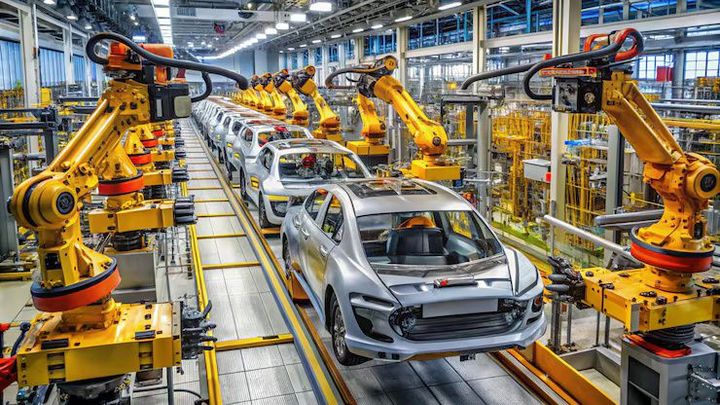
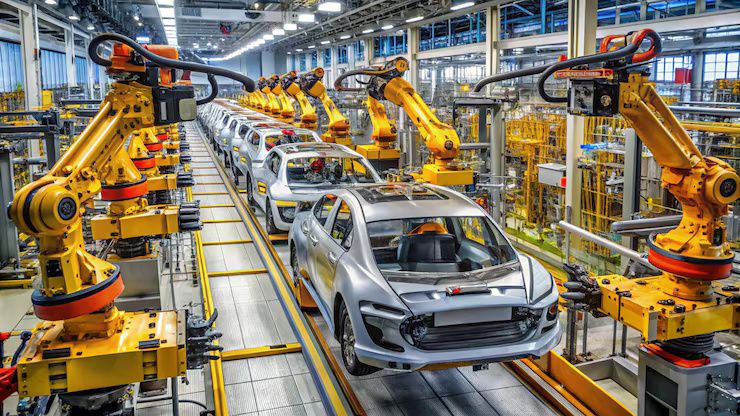
Once parts are ready, the vehicle moves through assembly plants where body panels, engines, interiors, electronics, and paint are added in a planned sequence. Quality checks happen throughout the process to reduce defects and improve consistency. After final inspection, vehicles are transported to distributors, fleet operators, or dealerships before reaching users.
Because the supply chain is global, one vehicle may contain materials and components from many countries. This is one reason why the automotive industry is sensitive to shipping delays, trade restrictions, raw material shortages, and changes in energy prices.
Key Trends Shaping the Automotive Industry
The automotive sector is changing quickly. Several trends are influencing how vehicles are built and used.
Growth of Electric Vehicles
Electric vehicles have moved from a niche category into a major area of investment and public discussion. Governments in many regions are encouraging lower-emission transport, and manufacturers are increasing electric vehicle production. This shift is also changing demand for batteries, charging networks, and critical minerals such as lithium, nickel, and cobalt.
Software-Driven Vehicles
Cars are becoming more digital. Many new vehicles now include large infotainment screens, app-based controls, digital dashboards, and remote monitoring tools. Software updates can improve performance, fix bugs, or add features after a vehicle has already been delivered.
Safety and Driver Assistance
Automotive safety has advanced far beyond basic mechanical systems. Today’s vehicles may include lane departure alerts, adaptive cruise control, blind-spot monitoring, collision warnings, and automatic emergency braking. These systems do not replace the driver, but they can help reduce certain types of accidents.
Supply Chain Resilience
In recent years, the industry has faced disruptions linked to semiconductor shortages, shipping delays, and changing global demand. As a result, manufacturers are paying closer attention to supply chain resilience, local sourcing, and inventory planning.
Sustainability and Emissions Reduction
Pressure to reduce emissions is influencing design choices, production methods, and long-term strategy. Companies are looking at lighter materials, battery recycling, lower-emission factories, and more efficient logistics. Sustainability is no longer a side topic; it is becoming a core part of automotive planning.
Challenges the Industry Faces
Despite its size and importance, the automotive industry faces several ongoing challenges.
One major challenge is the pace of technological change. Manufacturers must adapt to electric mobility, digital systems, and evolving safety expectations while still supporting traditional vehicle platforms. This creates pressure on research budgets, production planning, and workforce training.
Another challenge is supply chain complexity. Vehicles rely on a wide range of components, and even one missing part can slow production. Global events, raw material shortages, or shipping disruptions can create ripple effects across multiple manufacturers.
Affordability is also an issue in many markets. New technologies can improve efficiency and safety, but they may also make vehicles more complex. For households and businesses, balancing performance, fuel efficiency, maintenance needs, and long-term value remains an important concern.
Environmental expectations add another layer of complexity. Governments, investors, and consumers are asking the industry to reduce emissions and waste, but doing so requires major changes in infrastructure, production, and energy systems.
The Role of Government and Regulation
The automotive industry is shaped by public policy in important ways. Governments set rules on vehicle safety, emissions, fuel economy, recycling, and roadworthiness. These regulations influence how vehicles are designed and what technologies are included.
In many countries, public policy is also encouraging the shift toward electric mobility through tax incentives, charging infrastructure programs, or long-term emissions targets. At the same time, governments must balance environmental goals with affordability, industrial competitiveness, and energy security.
Road safety campaigns, inspection standards, and import rules also affect how the automotive market develops. Because of this, the industry often changes not only because of consumer demand, but also because of policy decisions.
Why the Automotive Industry Is More Than Just Cars
It is easy to think of the automotive sector as a business focused only on vehicle brands and factory output. In reality, it is deeply connected to the way modern life works. It affects commuting, freight movement, public transport, e-commerce, tourism, urban development, and energy demand.
A delivery van bringing household goods, a bus carrying students, a truck moving agricultural products, and an electric car charging overnight are all part of the same wider system. This is why the automotive industry remains one of the most important industrial sectors in the world.
Conclusion
The automotive industry is in the middle of a major transition. It continues to produce the vehicles people depend on every day, but it is also changing rapidly through electrification, software integration, safety technology, and environmental pressure. For the general public, understanding this industry helps explain more than just cars. It explains how transport systems evolve, how goods move across regions, and how technology is reshaping mobility.
Looking ahead, the automotive industry is likely to become more connected, more digital, and more focused on emissions reduction. At the same time, it will continue to face practical questions around infrastructure, affordability, supply chains, and regulation. For readers trying to understand where transport is heading, the automotive industry remains one of the clearest places to start.