Industrial Water Purification Systems: Complete Guide to Water Treatment Technologies and Applications
Industrial water purification systems are specialized technologies designed to remove contaminants, impurities, and unwanted substances from water used in industrial processes.
Clean water is essential for manufacturing, power generation, food processing, pharmaceuticals, chemical production, and many other industries.
Water quality directly affects equipment performance, production efficiency, product quality, and environmental compliance. As industries face increasing pressure to conserve resources and improve sustainability, water purification has become a critical component of modern industrial operations.
Understanding how industrial water purification systems work can help organizations make informed decisions about water treatment, resource management, and operational efficiency.
Understanding the Concept
Industrial water purification refers to the process of treating water to meet specific quality requirements for industrial applications. Unlike residential water treatment, industrial systems often handle large volumes of water and must remove a wide range of contaminants.
These contaminants may include:
- Suspended solids
- Dissolved minerals
- Heavy metals
- Organic compounds
- Microorganisms
- Chemical pollutants
Different industries require different levels of water purity. For example, a pharmaceutical facility may require ultra-pure water, while a cooling tower system may only need water treated to prevent scale buildup and corrosion.
Industrial water treatment is an important part of water management, wastewater treatment, environmental engineering, and industrial process optimization.
Key Types or Categories
Industrial water purification systems can be classified based on the treatment method used.
Filtration Systems
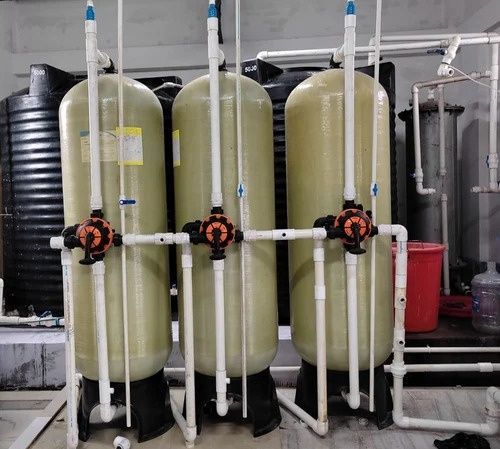
Filtration removes suspended particles from water by passing it through specialized filter media.
Common filtration methods include:
- Sand filtration
- Multimedia filtration
- Cartridge filtration
- Activated carbon filtration
These systems are often used as preliminary treatment stages.
Reverse Osmosis Systems
Reverse osmosis is one of the most widely used industrial water treatment technologies.
The process forces water through a semi-permeable membrane that removes:
- Dissolved salts
- Minerals
- Heavy metals
- Organic contaminants
Reverse osmosis systems are commonly used in manufacturing, pharmaceutical production, and power generation.
Ultrafiltration Systems
Ultrafiltration uses membranes with very small pores to remove:
- Bacteria
- Viruses
- Suspended solids
- Large organic molecules
This technology provides highly effective water clarification.
Ion Exchange Systems
Ion exchange removes unwanted dissolved ions from water.
Common applications include:
- Water softening
- Demineralization
- Boiler feed water treatment
The process replaces undesirable ions with more suitable alternatives.
Membrane-Based Purification Technologies
Membrane technologies have become increasingly important in industrial water treatment.
These systems include:
- Microfiltration
- Ultrafiltration
- Nanofiltration
- Reverse osmosis
Each technology targets different contaminant sizes and treatment objectives.
Advanced Oxidation Processes
Advanced oxidation methods use chemical reactions to break down complex contaminants.
Applications include:
- Industrial wastewater treatment
- Chemical removal
- Organic compound reduction
These systems are particularly useful for difficult-to-treat water sources.
How It Works
Industrial water purification follows a systematic treatment process.
Step 1: Water Intake
Raw water is collected from a source such as a river, reservoir, groundwater supply, or recycled process water.
Step 2: Preliminary Screening
Large debris and particles are removed through screening equipment.
Step 3: Primary Filtration
Filtration systems remove suspended solids and visible contaminants.
Step 4: Chemical Treatment
Treatment chemicals may be added to improve contaminant removal and water quality.
Step 5: Membrane Processing
Advanced membrane systems remove dissolved impurities and microscopic contaminants.
Step 6: Polishing Treatment
Additional purification stages ensure water meets required quality standards.
Step 7: Distribution
The treated water is delivered to industrial processes, equipment, or storage systems.
Step 8: Monitoring and Quality Control
Continuous monitoring ensures consistent treatment performance and water quality.
Core Components and Features
Several components work together within industrial water purification systems.
Pretreatment Equipment
- Screens
- Sediment filters
- Clarification units
- Carbon filters
Pumps
- Transfer water between treatment stages
- Maintain system pressure
- Support continuous operation
Membrane Units
- Reverse osmosis membranes
- Ultrafiltration membranes
- Nanofiltration membranes
Chemical Dosing Systems
- Water conditioning
- pH adjustment
- Contaminant control
Monitoring Instruments
- Flow meters
- Pressure sensors
- Conductivity analyzers
- Water quality monitoring devices
Storage Systems
- Treated water tanks
- Process water reservoirs
- Distribution infrastructure
Benefits and Advantages
Industrial water purification systems provide several important benefits.
Improved Equipment Performance
Clean water reduces scaling, fouling, and corrosion within industrial equipment.
Enhanced Product Quality
Many manufacturing processes depend on consistent water quality standards.
Reduced Maintenance Requirements
Removing contaminants helps minimize equipment wear and operational disruptions.
Better Resource Utilization
Purified water can often be reused within industrial operations.
Environmental Compliance
Water treatment helps facilities meet environmental regulations and discharge standards.
Increased Operational Efficiency
Reliable water quality supports stable production processes and equipment performance.
Sustainability Improvements
Water recycling and purification contribute to responsible resource management.
Real-World Examples and Applications
Industrial water purification is used across numerous sectors.
Power Generation Facilities
Power plants require treated water for boilers, cooling systems, and steam production.
Food and Beverage Manufacturing
High-quality water supports ingredient preparation, cleaning operations, and production processes.
Pharmaceutical Production
Pharmaceutical facilities require highly purified water for manufacturing and laboratory applications.
Chemical Processing Plants
Water treatment helps maintain process consistency and equipment reliability.
Electronics Manufacturing
Microelectronics production often requires extremely pure water to prevent contamination.
Textile Manufacturing
Purified water improves process control and product quality in textile operations.
Mining Operations
Mining facilities use water treatment systems to manage process water and wastewater streams.
Important Factors to Understand
Several considerations influence system selection and performance.
Water Source Quality
Different water sources contain varying levels of contaminants and impurities.
Treatment Objectives
The required water quality determines the appropriate purification technologies.
Flow Requirements
System capacity must align with operational water demand.
Regulatory Standards
Facilities must comply with applicable environmental and industry regulations.
Energy Consumption
Different purification technologies require varying amounts of energy.
Maintenance Planning
Regular inspections and maintenance support long-term system performance.
Common Challenges and Solutions
Industrial water treatment systems may encounter operational challenges.
Challenge: Membrane Fouling
Contaminants can accumulate on membrane surfaces over time.
Solution:
- Proper pretreatment
- Routine cleaning
- Continuous monitoring
Challenge: Scaling
Mineral deposits can form within treatment equipment.
Solution:
- Water softening
- Chemical treatment
- Scale prevention programs
Challenge: Variable Water Quality
Source water conditions may change throughout the year.
Solution:
- Flexible treatment processes
- Real-time monitoring
- Adaptive treatment strategies
Challenge: Corrosion
Aggressive water chemistry can damage equipment.
Solution:
- Corrosion control programs
- Water chemistry management
- Protective treatment measures
Challenge: Wastewater Management
Treatment processes may generate concentrated waste streams.
Solution:
- Water recycling initiatives
- Advanced treatment methods
- Process optimization
Future Trends and Industry Insights
Industrial water purification continues to evolve as industries seek greater efficiency and sustainability.
Water Reuse and Recycling
Organizations are increasingly implementing water reuse programs to reduce freshwater consumption.
Smart Water Management
Advanced monitoring technologies provide real-time visibility into treatment performance.
Artificial Intelligence Integration
AI-driven analytics help optimize treatment efficiency and predictive maintenance activities.
Energy-Efficient Treatment Systems
New technologies focus on reducing energy consumption while maintaining treatment effectiveness.
Advanced Membrane Development
Researchers continue developing membranes with improved durability and contaminant removal capabilities.
Sustainable Industrial Operations
Water purification is becoming a central element of broader sustainability initiatives.
Circular Water Management
Industries are moving toward systems that maximize water recovery and minimize waste generation.
Key Takeaways
- Industrial water purification systems remove contaminants from water used in industrial operations.
- Common technologies include filtration, reverse osmosis, ultrafiltration, and ion exchange.
- Water quality affects equipment performance, product quality, and operational efficiency.
- Different industries require different levels of water purity.
- Effective treatment can support water reuse and sustainability initiatives.
- Membrane technologies play an increasingly important role in modern water treatment.
- Continuous monitoring helps maintain consistent water quality.
- Emerging trends include smart water management and advanced treatment technologies.
Frequently Asked Questions (FAQ)
What is an industrial water purification system?
An industrial water purification system is a treatment solution designed to remove contaminants from water used in industrial processes.
Why is water purification important in industry?
Clean water helps improve equipment reliability, product quality, and operational efficiency.
What contaminants can industrial purification systems remove?
These systems can remove suspended solids, dissolved minerals, microorganisms, heavy metals, and organic compounds.
What is reverse osmosis?
Reverse osmosis is a membrane-based treatment process that removes dissolved impurities from water.
Which industries use industrial water purification?
Industries including manufacturing, pharmaceuticals, power generation, food processing, chemicals, and mining utilize water purification technologies.
What is water reuse in industrial operations?
Water reuse involves treating and recycling water for repeated use within industrial processes.
How do membrane filtration systems work?
Membrane systems separate contaminants from water by allowing only certain particles to pass through microscopic pores.
What are future trends in industrial water treatment?
Key trends include advanced membranes, artificial intelligence, smart monitoring systems, and sustainable water management strategies.
Conclusion
Industrial water purification systems play a vital role in maintaining water quality for modern industrial operations. Through technologies such as filtration, reverse osmosis, ultrafiltration, and ion exchange, these systems help remove contaminants and ensure water meets specific operational requirements.
As industries continue to focus on efficiency, environmental responsibility, and resource conservation, water purification technologies will remain an essential part of industrial infrastructure. Advances in smart monitoring, water recycling, and treatment innovation are expected to shape the future of industrial water management for years to come.