Guide to Fire Alarm Systems: Basics, Explanation, and Informative Tips to Learn More
Fire alarm systems are safety technologies designed to detect signs of fire and alert people within a building. These systems play an important role in residential buildings, offices, factories, hospitals, and public spaces. A typical fire alarm system detects smoke, heat, or flames and triggers audible or visual alerts so that occupants can respond quickly.
The idea behind fire alarm systems developed from the need to reduce injuries, property damage, and disruption caused by fires. Early warning allows people to leave the area and helps emergency responders understand that a fire event may be occurring. Over time, these systems have evolved from simple mechanical alarms to interconnected electronic networks that monitor multiple areas of a building.
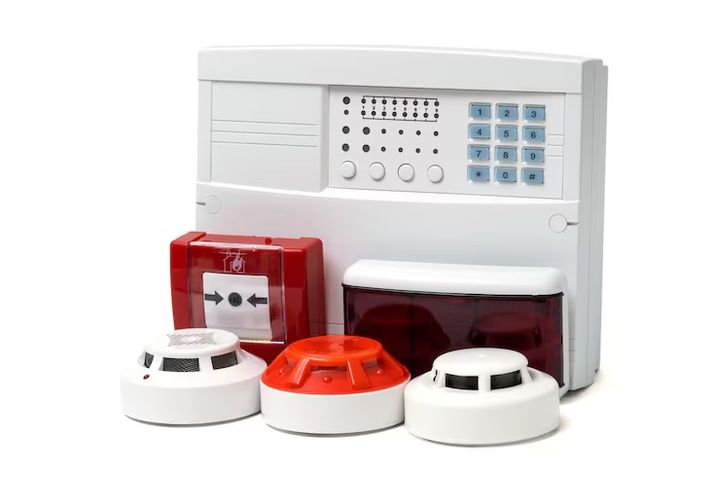
Modern fire alarm systems include sensors, control panels, alarm devices, and communication links. Each component works together to detect unusual conditions and provide alerts. In many buildings, these systems are integrated with other safety technologies such as emergency lighting, sprinkler systems, and building monitoring systems.
Understanding the basics of fire alarm systems helps people recognize how these systems operate and why they are required in many structures. Even non-technical readers can benefit from learning how detection devices work and how alarm signals are transmitted throughout a building.
Importance
Fire incidents can develop quickly, and early detection is one of the most effective ways to reduce harm. Fire alarm systems help identify potential fire conditions at an early stage. By providing warnings through sound or light signals, they allow people inside a building to react promptly.
These systems are important for many types of buildings and facilities. Residential apartments, schools, hospitals, warehouses, and commercial spaces all rely on some form of fire detection and alarm technology. In large structures with many rooms or floors, automatic detection devices provide coverage that manual observation alone cannot achieve.
Fire alarm systems address several real-world challenges related to fire safety:
- Early detection: Sensors identify smoke, heat, or flames before a fire spreads widely.
- Occupant alerts: Audible alarms and visual indicators notify people in different parts of a building.
- Evacuation coordination: Alarm signals guide people to respond quickly and move toward safe areas.
- Monitoring capability: Control panels collect signals from multiple sensors and record events.
Buildings that host large numbers of people rely heavily on these systems. For example, hospitals and educational institutions often include multiple alarm zones to detect fire conditions in specific areas. This helps building managers understand where a potential hazard may be developing.
Another important factor is accessibility. Fire alarm systems often include visual alarms, such as flashing lights, which help notify individuals who may not hear audible alarms clearly.
Common Components of Fire Alarm Systems
Although designs vary depending on building size and layout, most fire alarm systems contain similar components. These elements form a network that detects fire indicators and alerts occupants.
- Smoke detectors: Devices that sense smoke particles in the air.
- Heat detectors: Sensors that respond to rapid temperature increases.
- Manual call points: Devices that allow occupants to trigger an alarm manually.
- Control panel: The central unit that processes signals from detectors.
- Alarm notification devices: Sirens, bells, or visual strobes that alert occupants.
The following table summarizes key fire alarm system components and their functions.
| Component | Function | Typical Location |
|---|---|---|
| Smoke Detector | Detects smoke particles in the air | Hallways, rooms, ceilings |
| Heat Detector | Responds to temperature increase | Kitchens, mechanical rooms |
| Manual Call Point | Allows people to activate alarm manually | Near exits and corridors |
| Control Panel | Receives and processes signals | Security room or control area |
| Alarm Notification Device | Produces audible or visual alerts | Throughout building |
Understanding these components helps explain how fire alarm systems detect hazards and transmit warning signals.
Recent Updates
From 2024 to 2026, several trends have influenced the design and operation of fire alarm systems. Many of these changes focus on improving reliability, integration, and digital monitoring.
One noticeable development involves smart detection technology. Some systems now use sensors that analyze environmental patterns rather than reacting only to smoke or heat levels. These detectors can help reduce false alarms by distinguishing between normal conditions and actual fire indicators.
Another trend involves integration with building management systems. Modern buildings often include centralized monitoring platforms that connect heating, ventilation, lighting, and safety equipment. Fire alarm systems can be linked with these platforms so that alerts are monitored alongside other building data.
Wireless technology has also gained attention. Traditional systems rely on wired connections between detectors and control panels. Wireless devices allow easier installation in certain environments where wiring is difficult, such as historical buildings or temporary structures.
Recent developments also include improvements in remote monitoring capabilities. Some control panels allow facility managers to observe alarm events through secure digital dashboards. This helps building operators review alerts, system status, and event logs.
Another trend focuses on enhanced accessibility features. Visual alarms, vibration-based alerts, and improved notification devices are increasingly incorporated into fire safety planning. These features support occupants with different sensory needs.
Overall, the direction of fire alarm system development emphasizes better detection accuracy, stronger connectivity, and improved accessibility.
Laws or Policies
Fire alarm systems are often required by building regulations and safety standards. These rules vary by country and region, but they generally define where fire detection equipment must be installed and how systems should function.
In India, fire safety regulations are influenced by national and state building codes. These codes provide guidance on detection equipment, alarm systems, and emergency planning in buildings such as residential complexes, commercial structures, and public facilities.
Two important frameworks shape fire alarm requirements:
- National Building Code (NBC): Provides guidelines for fire safety design, including alarm systems, detection devices, and evacuation planning.
- Bureau of Indian Standards (BIS): Develops technical standards that relate to fire detection equipment and safety practices.
Local municipal authorities also establish rules for building approvals and safety compliance. Buildings that host large numbers of occupants, such as malls, hospitals, and hotels, often have specific fire safety requirements.
Policies typically address several aspects of fire alarm systems:
- Detector placement in corridors and rooms
- Minimum alarm audibility levels
- Emergency evacuation planning
- Periodic system inspection and maintenance
- Integration with other fire protection equipment
These regulations help create consistent safety practices across buildings and public spaces. They also guide architects, engineers, and building managers in designing safety systems.
Tools and Resources
People interested in learning more about fire alarm systems can access several educational tools and digital resources. These platforms provide guidance on fire safety concepts, detection technologies, and building safety planning.
Useful tools and resources include:
- Standards and safety guides: Documents explaining fire detection practices and building safety guidelines.
- Online learning platforms: Educational websites that provide courses related to fire safety and building engineering.
- Simulation software: Programs used in safety training to demonstrate how fire detection systems respond to different scenarios.
- Building safety documentation templates: Structured formats used to record equipment locations, alarm zones, and safety procedures.
Several organizations publish information that helps readers understand fire alarm technologies and safety practices. For example, the National Fire Protection Association provides technical resources and educational material related to fire safety standards. Similarly, the Bureau of Indian Standards publishes guidelines that support safety planning within buildings.
Digital mapping tools are also used in building safety planning. These tools help facility managers identify alarm zones, detector placement, and evacuation routes. By organizing safety information visually, building teams can better understand system coverage.
Training materials are another useful resource. Many educational platforms explain the functioning of smoke detectors, alarm panels, and fire safety planning through structured lessons.
FAQs
What is a fire alarm system and how does it work?
A fire alarm system is a network of detectors, control panels, and alarm devices designed to detect signs of fire and notify occupants. Sensors identify smoke, heat, or other indicators and send signals to a central panel. The panel then activates audible or visual alarms throughout the building.
What are the main types of fire alarm systems?
Common types include conventional systems, addressable systems, and wireless systems. Conventional systems divide buildings into zones, while addressable systems identify the exact detector that triggered the alarm. Wireless systems use radio signals instead of physical wiring between devices.
Why are fire alarm systems important in buildings?
Fire alarm systems provide early warning when fire indicators appear. Early detection helps occupants respond quickly and supports evacuation procedures. These systems are commonly installed in residential buildings, offices, schools, and industrial facilities.
Where are smoke detectors usually installed in fire alarm systems?
Smoke detectors are often installed on ceilings in hallways, living spaces, and common areas where smoke may travel during a fire event. Placement depends on building layout, ventilation patterns, and safety guidelines defined in building codes.
How do modern fire alarm systems differ from earlier designs?
Modern fire alarm systems often include digital monitoring, smart sensors, and integration with building management platforms. These technologies improve detection accuracy and help building managers review alarm events through centralized monitoring systems.
Conclusion
Fire alarm systems are an important part of building safety infrastructure. They detect smoke, heat, or other fire indicators and notify occupants through alarms and visual signals. Over time, these systems have evolved to include advanced sensors, digital monitoring, and integration with building technologies.
Regulations and safety standards guide how fire alarm systems are installed and maintained in many buildings. Understanding their components and operation helps people recognize their role in fire safety planning. As technology continues to develop, fire detection systems are likely to become more connected, accessible, and responsive.