Photography Guide: Facts, Details, and Informative Tips for Digital, DSLR, and Polaroid Cameras
Photography is the practice of capturing visual images using light-sensitive technology. From early film cameras to modern digital systems, photography has evolved into a widely used method for documenting events, expressing creativity, and sharing information. Today, many people interact with photography through devices such as digital cameras, DSLR cameras, and Polaroid cameras.
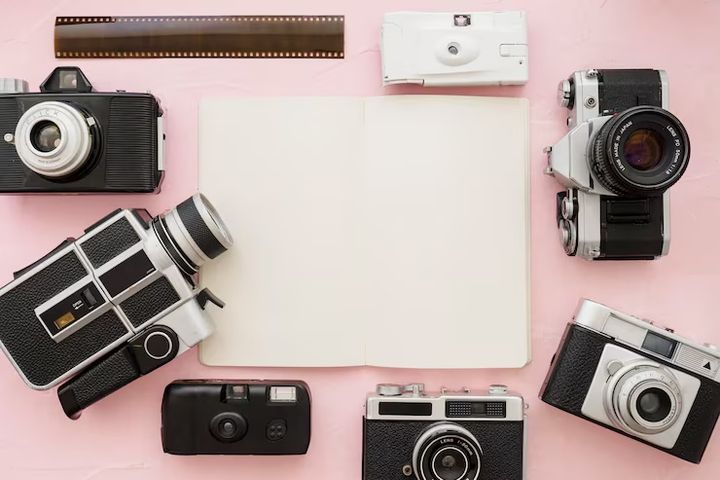
A Photography Guide helps explain how these camera types work and how images are created. Each camera type uses a different method to capture light and transform it into a visible photograph. Digital cameras convert light into electronic signals, DSLR cameras combine optical viewing systems with digital sensors, and Polaroid cameras produce instant printed photographs through chemical processes.
Photography exists because people seek ways to preserve moments and communicate visually. From family memories to journalism and scientific documentation, images help record information that words alone may not fully capture. Over time, technological development has made photography more accessible to a broad audience.
Understanding the basics of photography allows individuals to better appreciate how images are formed. Concepts such as lighting, composition, and camera settings influence how a photograph appears. Even simple cameras rely on these same fundamental principles.
Importance
Photography plays an important role in modern communication and culture. Images are widely used in news reporting, education, research, documentation, and personal storytelling. With smartphones and digital cameras available to many people, photography has become part of everyday life.
Digital photography allows images to be captured, stored, and shared quickly. DSLR cameras provide more control over settings such as aperture, shutter speed, and lens choice. Polaroid cameras provide immediate physical photographs that many people use for personal projects or memory keeping.
Photography addresses several practical needs for individuals and communities. These include:
- Documentation of events: Photographs help record historical moments, celebrations, and daily experiences.
- Visual communication: Images can convey ideas or information quickly without long explanations.
- Creative expression: Photography allows individuals to experiment with lighting, perspective, and composition.
- Educational value: Students and researchers often use photography to document observations and experiments.
Understanding how different camera systems work can help people choose tools that match their needs. A Photography Guide provides basic explanations so that non-technical readers can understand the strengths and limitations of each type of camera.
Photography also supports industries such as media, publishing, design, tourism, and scientific research. In these areas, images help communicate ideas, analyze environments, and present information visually.
Recent Updates
Between 2024 and 2026, photography technology has continued to develop through improvements in digital sensors, artificial intelligence tools, and mobile camera systems. Digital cameras and DSLR cameras increasingly include software features that assist with image processing, focus detection, and automatic scene adjustments.
Many camera manufacturers now integrate artificial intelligence algorithms that help identify subjects such as people, animals, or landscapes. These systems adjust camera settings automatically to improve exposure and focus accuracy.
Another notable trend is the continued growth of hybrid cameras that combine photo and video capabilities. Many modern cameras allow users to capture high-resolution photographs alongside detailed video recordings. This flexibility is useful for content creation, journalism, and educational documentation.
Polaroid cameras have also experienced renewed interest in recent years. Instant photography provides a physical photograph immediately after capture, which appeals to people interested in tangible keepsakes or creative projects.
Cloud storage and photo-editing applications have also expanded. Platforms like Adobe Lightroom and Adobe Photoshop allow photographers to adjust brightness, color balance, and contrast after capturing images.
Social media platforms continue to influence photography trends. Applications such as Instagram and Snapchat encourage users to share images instantly with global audiences. As a result, photography styles often evolve quickly as new visual trends emerge.
Laws or Policies
Photography activities are influenced by various laws and policies that protect privacy, intellectual property, and public safety. These rules vary by country, but many regions share similar principles.
In many countries, privacy laws regulate how photographs of individuals can be used. Taking photographs in public spaces is often permitted, but publishing images of identifiable individuals may require permission depending on the circumstances.
Copyright laws also affect photography. When a person captures a photograph, they typically hold the copyright to that image. Copyright laws help ensure that photographs are not reproduced or distributed without authorization.
Certain locations may have restricted photography policies. Government facilities, airports, military locations, and research laboratories sometimes limit photography for security reasons.
In addition, drone photography regulations have developed in recent years. Many governments require drone operators to follow aviation guidelines when capturing aerial photographs. These rules often address safety, airspace boundaries, and registration requirements.
Educational institutions and organizations also create internal policies regarding photography. For example, schools and research facilities may regulate when photography can occur in classrooms or laboratories.
Understanding these rules helps photographers respect legal boundaries while documenting events or environments.
Tools and Resources
Many tools and resources help individuals learn photography and manage their images. These tools range from camera equipment to digital editing platforms and educational websites.
Common tools associated with digital photography include:
- Camera equipment: Digital cameras, DSLR cameras, lenses, tripods, and lighting equipment help capture images in different environments.
- Editing software: Programs such as Adobe Lightroom and GIMP assist with adjusting color, brightness, and cropping.
- Online learning platforms: Educational websites provide tutorials that explain camera settings, composition, and lighting techniques.
- Cloud storage platforms: Digital storage systems allow photographers to organize and archive large photo collections.
Different camera types provide different features. The table below summarizes key characteristics of common camera systems.
| Camera Type | Image Capture Method | Typical Features | Common Uses |
|---|---|---|---|
| Digital Camera | Electronic sensor converts light to digital data | Compact design, automatic settings | Everyday photography and travel |
| DSLR Camera | Mirror system directs light to optical viewfinder and digital sensor | Interchangeable lenses, manual controls | Portraits, landscapes, professional photography |
| Polaroid Camera | Chemical process develops instant prints | Immediate physical photograph | Personal memories, creative projects |
Learning resources also include photography books, instructional videos, and photography communities where individuals share techniques and feedback. These resources help beginners understand technical concepts such as aperture, shutter speed, ISO sensitivity, and composition.
Photography tools continue to evolve as new technologies emerge. Software updates, sensor improvements, and digital storage solutions all influence how photographers capture and manage images.
FAQs
What is included in a Photography Guide for beginners?
A Photography Guide usually explains basic camera functions, lighting principles, and composition techniques. It also describes how different cameras such as digital cameras, DSLR cameras, and Polaroid cameras capture images.
What is the difference between a digital camera and a DSLR camera?
A digital camera typically has a compact design with automated settings. A DSLR camera uses a mirror and optical viewfinder system that allows photographers to see directly through the lens while adjusting manual controls such as aperture and shutter speed.
How does a Polaroid camera create instant photographs?
A Polaroid camera uses film containing chemicals that react when exposed to light. After the photograph is captured, the film processes the image automatically and produces a printed photograph within a short period.
Why are digital cameras widely used in modern photography?
Digital cameras allow images to be stored electronically and transferred easily to computers or mobile devices. This makes it simpler to organize, edit, and share photographs through digital platforms.
What basic skills are explained in a Photography Guide?
Common photography skills include understanding lighting conditions, adjusting camera exposure, composing subjects within a frame, and selecting appropriate lenses or camera settings for different environments.
Conclusion
Photography combines technology and creativity to capture visual information. Digital cameras, DSLR cameras, and Polaroid cameras each use different methods to record images while sharing common photographic principles. Over time, advances in software, sensors, and online platforms have influenced how photographs are created and shared. Understanding camera types, photography tools, and basic legal considerations helps individuals use photography responsibly. A Photography Guide provides foundational knowledge that helps readers understand how images are formed and how photography continues to evolve.