Complete Guide to Laser Engraving Machines: Working Principles, Types, and Industry Uses
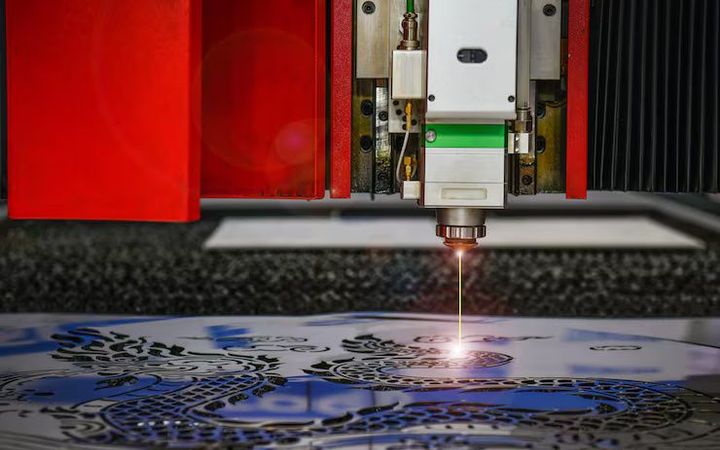
Laser engraving machines are devices that use focused laser beams to mark, cut, or engrave materials with high precision. These machines rely on controlled light energy to remove or alter the surface of materials such as metal, wood, plastic, glass, and leather. Over time, laser engraving machines have become widely used in manufacturing, crafts, electronics, and industrial identification.
The technology behind laser engraving machines emerged from early laser research in the mid-20th century. As laser systems became more precise and easier to control, industries began using them for marking serial numbers, creating patterns, and engraving permanent information on products. Today, many industries rely on laser engraving machines to produce accurate markings that remain readable over time.
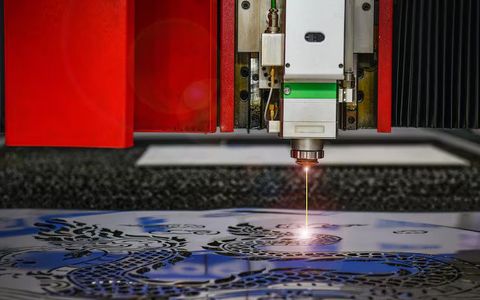
Understanding how laser engraving machines work, the different types available, and their common uses helps people appreciate the role this technology plays in modern production and design.
Importance
Laser engraving machines play an important role in modern manufacturing and product identification. They allow manufacturers and creators to add permanent markings without physically touching the material surface. This contactless method reduces wear on tools and enables highly detailed patterns.
Several industries depend on laser engraving machines for practical reasons:
- Product identification: Manufacturers engrave serial numbers, QR codes, and safety labels.
- Industrial traceability: Components can be marked to track their origin and production batch.
- Customization and design: Decorative patterns and personalized markings are created on materials like wood, leather, and metal.
- Medical device labeling: Permanent engraving ensures identification remains visible after sterilization processes.
Laser engraving machines also support accuracy and consistency. Since the laser beam is controlled by digital systems, the same design can be reproduced many times with minimal variation.
In addition, laser engraving machines are useful in environments where precision is essential. Industries such as aerospace, electronics, and medical equipment often require markings that are small, durable, and clearly readable.
Recent Updates
Recent developments between 2024 and 2026 have focused on improving efficiency, software integration, and material compatibility for laser engraving machines. Advances in automation and digital design tools have made it easier to create complex patterns and markings.
Some notable trends include:
- Integration with computer-aided design software: Modern laser engraving machines often connect directly with digital design platforms, allowing detailed designs to be transferred quickly.
- Improved fiber laser technology: Fiber laser systems continue to gain attention due to their ability to engrave metals with high precision.
- Compact desktop machines: Smaller systems designed for workshops and educational environments have become more common.
- Automation in industrial production: Some factories integrate laser engraving machines into automated production lines to mark products during assembly.
- Expanded material compatibility: Research and development have expanded the range of materials that can be engraved safely and accurately.
These developments reflect a broader trend toward digital manufacturing, where machines operate with minimal manual adjustment and greater consistency.
Laws or Policies
Laser engraving machines are influenced by safety regulations and industrial standards in many countries. These rules aim to ensure safe operation and protect workers who interact with laser equipment.
In India, safety guidelines related to laser equipment are generally shaped by industrial safety standards and technical regulations from organizations such as the Bureau of Indian Standards. These standards may cover equipment design, electrical safety, and operational guidelines.
Laser systems may also fall under general workplace safety regulations managed by the Directorate General Factory Advice Service & Labour Institutes. These regulations focus on protecting workers from potential hazards such as laser radiation or electrical risks.
Internationally, laser equipment is often classified under standards developed by the International Electrotechnical Commission. These classifications categorize lasers based on their power levels and potential safety risks.
Common safety considerations include:
- Using protective covers or enclosures around the engraving area
- Providing protective eyewear designed for laser systems
- Following equipment maintenance guidelines
- Training operators in safe handling procedures
These regulations help ensure that laser engraving machines are used responsibly and safely in industrial and workshop environments.
Tools and Resources
Various tools and digital resources help users design and operate laser engraving machines efficiently. These resources support design preparation, machine control, and file conversion.
Commonly used software tools include:
- LightBurn – widely used for designing patterns and controlling engraving machines.
- CorelDRAW – often used to create vector artwork suitable for laser engraving.
- Adobe Illustrator – used for preparing detailed design files that can be exported for engraving.
- AutoCAD – commonly used for technical drawings and engineering designs.
In addition to software, several digital resources support learning and experimentation with laser engraving machines:
- Online design libraries that provide vector graphics for engraving projects
- Material compatibility charts that explain how different materials react to laser energy
- Technical documentation from equipment manufacturers explaining machine settings and safety guidelines
Common Laser Types and Applications
| Laser Type | Typical Materials | Common Industry Uses |
|---|---|---|
| CO₂ Laser | Wood, acrylic, leather, glass | Crafts, signage, decorative engraving |
| Fiber Laser | Metals such as steel and aluminum | Industrial marking, electronics |
| Diode Laser | Wood, plastics, coated metals | Hobby projects, small workshops |
| UV Laser | Sensitive materials and plastics | Electronics, medical components |
These tools and resources help users design patterns accurately and prepare materials before engraving.
Types of Laser Engraving Machines
Laser engraving machines can be grouped based on the type of laser source they use. Each type has characteristics that make it suitable for certain materials and applications.
CO₂ Laser Engraving Machines
CO₂ laser engraving machines use carbon dioxide gas to generate a laser beam. These systems are commonly used for engraving non-metal materials.
Typical materials include:
- Wood
- Acrylic
- Leather
- Paper
- Glass
CO₂ lasers are frequently used in craft production, signage creation, and decorative engraving projects.
Fiber Laser Engraving Machines
Fiber laser engraving machines use optical fibers to generate a concentrated laser beam. These machines are particularly effective for engraving metals.
Common applications include:
- Metal identification plates
- Industrial part numbering
- Electronics component marking
- Automotive parts labeling
Fiber laser engraving machines are widely used in manufacturing environments where durable markings are required.
Diode Laser Engraving Machines
Diode laser engraving machines are often compact and relatively simple to operate. These systems are commonly used for educational environments, small workshops, and hobby projects.
They can engrave materials such as:
- Wood
- Leather
- Some plastics
- Painted or coated metals
Although diode lasers typically have lower power levels compared with industrial systems, they are suitable for many light engraving tasks.
UV Laser Engraving Machines
UV laser engraving machines use ultraviolet wavelengths to produce extremely fine markings. These machines are commonly used for delicate materials that may react poorly to heat.
Industries that use UV lasers include:
- Electronics manufacturing
- Medical device labeling
- Micro-component identification
The shorter wavelength of UV lasers allows highly detailed markings on small surfaces.
Industry Uses
Laser engraving machines are used across many industries because they can produce permanent markings with high precision.
Examples of industry uses include:
- Manufacturing: Engraving serial numbers and production codes on equipment components
- Electronics: Marking circuit boards and small parts with identification codes
- Automotive: Labeling mechanical components for traceability
- Medical equipment: Engraving device identification numbers and safety labels
- Craft and design industries: Creating decorative patterns on wood, leather, and metal
The ability to engrave both functional information and decorative designs makes laser engraving machines versatile tools in many sectors.
FAQs
What is a laser engraving machine?
A laser engraving machine is a device that uses a focused laser beam to mark or engrave designs onto materials. The laser removes or changes the surface layer of the material to create permanent markings.
How do laser engraving machines work?
Laser engraving machines direct a high-energy laser beam onto a material surface. Computer software controls the movement of the beam, allowing precise patterns or text to be engraved.
What materials can laser engraving machines work with?
Laser engraving machines can engrave many materials, including wood, metal, plastic, glass, leather, and acrylic. The exact compatibility depends on the type of laser used.
What are the main types of laser engraving machines?
Common types include CO₂ laser machines, fiber laser machines, diode laser machines, and UV laser machines. Each type works with different materials and levels of engraving precision.
Are laser engraving machines used in manufacturing industries?
Yes, many manufacturing industries use laser engraving machines for marking serial numbers, product identification codes, and traceability information on components.
Conclusion
Laser engraving machines are tools that use concentrated light energy to create precise and permanent markings on a wide range of materials. Over time, this technology has become an important part of manufacturing, design, and product identification. Different types of laser engraving machines are suited to different materials and industrial applications. Advances in digital design tools and automation continue to expand how these machines are used across industries.