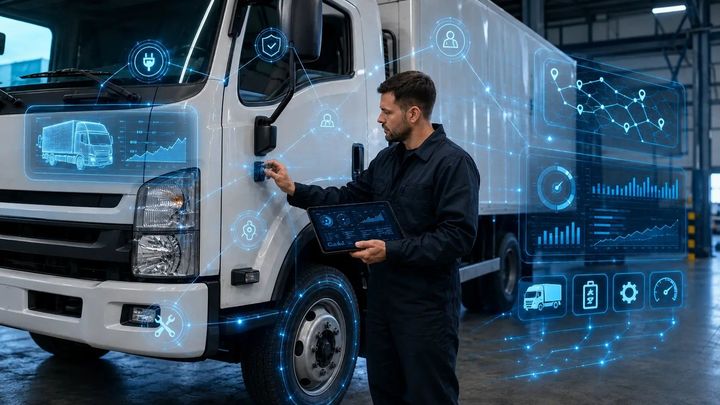
Truck Fleet Management Systems Explained: Maintenance, Tracking, and Dispatch Tools
Truck fleet management systems help organizations monitor, organize, and improve commercial vehicle operations.
These systems combine maintenance management, GPS tracking, dispatch coordination, driver monitoring, and reporting into one platform.
Modern fleet management solutions support operational efficiency, vehicle reliability, regulatory compliance, and informed decision-making. They also provide valuable insights through real-time data and automated reporting.
Quick Answer: What Are Truck Fleet Management Systems?
- Truck fleet management systems help monitor and coordinate commercial vehicle operations.
- They combine maintenance management, GPS tracking, and dispatch tools.
- Fleet managers can monitor vehicles, drivers, fuel usage, and routes.
- Real-time information improves operational visibility.
- Maintenance scheduling supports vehicle reliability.
- Dispatch tools assist with route planning and driver assignments.
- Data reporting helps improve fleet performance over time.
What Are Truck Fleet Management Systems?
Truck fleet management systems are digital platforms designed to manage commercial vehicles and daily transportation activities.
These systems collect information from vehicles, drivers, GPS devices, and operational records. Fleet managers use this information to improve scheduling, maintenance planning, and overall fleet efficiency.
Fleet management systems are commonly used in:
- Logistics companies
- Transportation providers
- Delivery fleets
- Construction businesses
- Utility organizations
- Municipal fleets
- Manufacturing companies
- Distribution centers
- Waste management operations
- Emergency service fleets
Why Are Truck Fleet Management Systems Important?
Managing multiple commercial vehicles requires accurate information and careful planning.
Fleet management systems help organizations:
- Improve operational visibility
- Schedule preventive maintenance
- Monitor vehicle locations
- Coordinate dispatch activities
- Track driver performance
- Support regulatory compliance
- Improve resource utilization
- Reduce unexpected downtime
Reliable fleet information supports better operational decisions.
How Do Truck Fleet Management Systems Work?
Fleet management systems collect information from multiple connected sources.
Step 1: Vehicle Data Is Collected
Vehicles generate operational data such as:
- GPS location
- Engine performance
- Fuel consumption
- Mileage
- Idle time
- Vehicle diagnostics
Step 2: Information Is Sent to the Fleet Platform
Telematics devices transmit information to a centralized management platform.
The platform continuously updates vehicle activity.
Step 3: Fleet Managers Monitor Operations
Managers review dashboards that display:
- Vehicle locations
- Driver assignments
- Maintenance status
- Dispatch schedules
- Route progress
Step 4: Dispatch Activities Are Coordinated
Dispatch tools help assign drivers and vehicles based on operational needs.
Real-time updates improve communication.
Step 5: Reports Support Better Decisions
The system generates reports covering:
- Fleet utilization
- Maintenance history
- Driver activity
- Fuel efficiency
- Route performance
What Features Do Truck Fleet Management Systems Include?
Fleet Maintenance Management
Maintenance tools help organize vehicle servicing.
Common features include:
- Preventive maintenance schedules
- Service reminders
- Maintenance history
- Inspection records
- Repair tracking
- Parts inventory management
GPS Fleet Tracking
GPS technology provides real-time vehicle visibility.
Tracking features often include:
- Live vehicle locations
- Route history
- Geofencing
- Arrival estimates
- Travel history
Dispatch Management
Dispatch modules coordinate vehicle movement.
Typical capabilities include:
- Driver assignments
- Route planning
- Job scheduling
- Dispatch communication
- Work order management
Driver Management
Driver management features help monitor daily operations.
These tools may include:
- Driver profiles
- License records
- Hours-of-service monitoring
- Safety event tracking
- Driver scorecards
Fuel Management
Fuel tracking supports operational analysis.
Common functions include:
- Fuel usage monitoring
- Fuel consumption reports
- Refueling records
- Fuel efficiency analysis
Reporting and Analytics
Reporting tools transform operational data into useful insights.
Common reports include:
- Fleet performance
- Vehicle utilization
- Maintenance trends
- Driver activity
- Fuel reports
- Route efficiency
How Does Fleet Maintenance Management Work?
Maintenance management focuses on preventing unexpected vehicle failures.
The system schedules maintenance based on:
- Mileage
- Engine hours
- Calendar intervals
- Manufacturer recommendations
- Inspection results
Preventive maintenance helps extend vehicle life and improve reliability.
How Does GPS Fleet Tracking Improve Operations?
GPS tracking continuously monitors vehicle movement.
Benefits include:
- Improved route visibility
- Faster location updates
- Better dispatch coordination
- Enhanced driver communication
- Historical trip analysis
Accurate tracking supports informed operational planning.
How Do Dispatch Tools Help Fleet Operations?
Dispatch tools organize transportation activities.
They help managers:
- Assign available drivers
- Schedule deliveries
- Coordinate pickups
- Optimize travel routes
- Monitor delivery progress
Efficient dispatch improves daily workflow.
What Types of Fleets Use These Systems?
Truck fleet management systems support many industries.
Common users include:
- Freight transportation
- Logistics providers
- Retail distribution
- Construction companies
- Utility services
- Food distribution
- Agricultural operations
- Public transportation
- Government agencies
- Emergency response organizations
Each fleet has different operational requirements.
How Is Fleet Data Collected?
Fleet platforms receive information from several sources.
These include:
- GPS devices
- Engine control modules
- Telematics hardware
- Driver mobile applications
- Electronic logging devices
- Vehicle sensors
- Maintenance records
Combining multiple data sources improves operational visibility.
What Technologies Support Modern Fleet Management?
Modern fleet management systems continue to evolve.
Important technologies include:
- Cloud-based platforms
- Artificial intelligence
- Predictive maintenance
- Machine learning analytics
- Internet of Things (IoT) connectivity
- Telematics integration
- Digital inspection tools
- Mobile fleet applications
- Real-time reporting
- Advanced route optimization
These technologies improve efficiency and operational awareness.
How Can Organizations Improve Fleet Performance?
Fleet improvement involves consistent monitoring and planning.
Recommended practices include:
- Schedule preventive maintenance
- Monitor driver behavior
- Analyze fuel usage
- Review dispatch performance
- Optimize travel routes
- Maintain accurate vehicle records
- Inspect vehicles regularly
- Evaluate operational reports
Continuous improvement supports long-term fleet performance.
What Standards and Regulations Affect Fleet Management?
Fleet operations often follow transportation regulations and safety standards.
Common compliance areas include:
- Driver documentation
- Vehicle inspections
- Maintenance records
- Hours-of-service requirements
- Safety reporting
- Environmental regulations
Organizations should follow applicable local and national requirements.
Frequently Asked Questions
What is truck fleet management?
Truck fleet management is the process of organizing commercial vehicles, drivers, maintenance, dispatch, and operational data.
How does fleet tracking work?
Fleet tracking uses GPS and telematics technology to monitor vehicle location and movement in real time.
Why is preventive maintenance important?
Preventive maintenance helps reduce unexpected breakdowns and supports vehicle reliability.
What are dispatch tools?
Dispatch tools help assign drivers, schedule deliveries, monitor routes, and coordinate transportation activities.
Can fleet management systems generate reports?
Yes. Most systems generate reports covering maintenance, fuel usage, driver performance, vehicle utilization, and operational trends.
Key Takeaways
Truck Fleet Management Systems Summary
- Truck fleet management systems help coordinate commercial vehicle operations.
- Maintenance management supports vehicle reliability through scheduled servicing.
- GPS tracking improves real-time fleet visibility.
- Dispatch tools organize driver assignments and route planning.
- Data analytics provide valuable operational insights.
- Preventive maintenance helps reduce vehicle downtime.
- Modern technologies improve efficiency, safety, and fleet monitoring.
- Fleet management systems play a vital role in transportation and logistics operations.