Microturbines: Complete Guide to Power Generation Technology and Applications
Microturbines are compact power generation systems designed to produce electricity and, in some cases, useful heat.
They are based on turbine technology similar to that used in jet engines but on a much smaller scale.
As energy demands continue to grow, industries, commercial facilities, and critical infrastructure are exploring efficient distributed energy systems. Microturbine technology has gained attention because it can generate power close to where it is needed, reducing dependence on centralized power generation.
These systems are widely discussed in the fields of distributed energy resources, clean energy technology, industrial power generation, and energy efficiency solutions.
Quick Summary Table
| Aspect | Description |
|---|---|
| Topic | Microturbines |
| Purpose | Small-scale electricity generation |
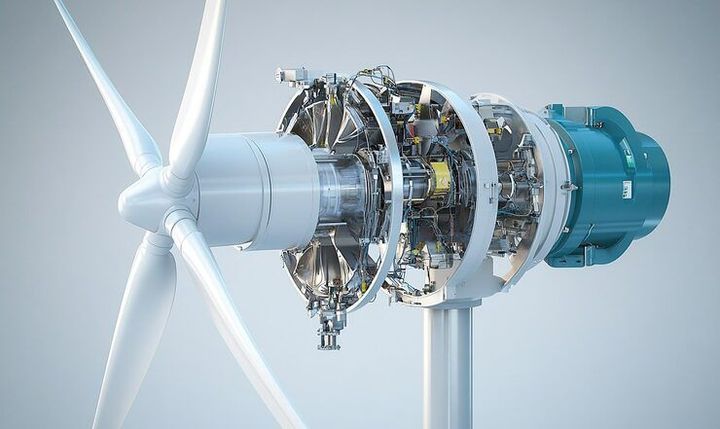
| Main Components | Compressor, combustor, turbine, generator, recuperator |
| Key Benefits | Energy efficiency, reliability, compact design |
| Common Applications | Commercial buildings, industrial facilities, hospitals, data centers, remote locations |
| Fuel Sources | Natural gas, biogas, hydrogen blends, renewable fuels |
| Power Range | Typically 25 kW to 500 kW |
| Industry Focus | Distributed power generation and energy management |
Understanding the Concept
A microturbine is a small combustion-based generator that converts fuel into electrical energy. Unlike traditional large power plants, microturbines are designed for localized power generation.
The technology operates by compressing air, mixing it with fuel, and igniting the mixture. The resulting high-temperature gases spin a turbine connected to a generator.
Microturbines belong to the broader category of distributed energy systems. Instead of generating power at a distant power station, they produce electricity near the point of consumption.
This approach can improve energy efficiency and reduce transmission losses.
Key Types or Categories
Microturbines can be classified based on design, fuel source, and application.
Single-Shaft Microturbines
Single-shaft designs use one rotating shaft connected to both the turbine and generator.
Characteristics include:
- Simple construction
- Compact size
- Lower maintenance requirements
- Suitable for continuous operation
Split-Shaft Microturbines
Split-shaft systems separate the power turbine from the compressor shaft.
Advantages include:
- Better flexibility
- Variable speed operation
- Enhanced load handling capability
Fuel-Based Categories
Microturbines can operate using:
- Natural gas
- Biogas
- Landfill gas
- Hydrogen blends
- Renewable gaseous fuels
The ability to use multiple fuel sources makes them valuable in modern energy infrastructure.
Grid-Connected and Standalone Systems
Some installations work alongside utility power networks, while others operate independently in remote locations.
Standalone systems are often used where access to large electrical networks is limited.
How It Works
The operation of a microturbine follows a straightforward process.
Step 1: Air Intake
Ambient air enters the system through an intake section.
Step 2: Air Compression
A high-speed compressor increases the air pressure before combustion.
Step 3: Fuel Mixing
The compressed air mixes with a selected fuel source inside the combustor.
Step 4: Combustion
The fuel-air mixture ignites, producing hot gases with significant energy.
Step 5: Turbine Rotation
The expanding gases flow through turbine blades, causing the turbine to rotate at very high speeds.
Step 6: Electricity Generation
The rotating shaft drives a generator that converts mechanical energy into electrical power.
Step 7: Heat Recovery
Many microturbines capture waste heat through combined heat and power systems, improving overall energy utilization.
Core Components and Features
Several major components work together to ensure efficient operation.
Compressor
- Draws in air
- Increases pressure
- Supports combustion efficiency
Combustor
- Mixes fuel and compressed air
- Produces high-temperature gases
- Controls combustion conditions
Turbine
- Converts thermal energy into mechanical energy
- Drives the generator and compressor
Generator
- Produces electrical energy
- Operates at high rotational speeds
Recuperator
- Recovers heat from exhaust gases
- Preheats incoming air
- Improves fuel efficiency
Control System
- Monitors operating conditions
- Maintains stable performance
- Protects equipment from abnormal conditions
Benefits and Advantages
Microturbines provide several practical advantages across different sectors.
Improved Energy Efficiency
Heat recovery systems allow both electricity and thermal energy to be utilized.
Compact Design
Their small footprint makes installation possible in locations where larger power systems are impractical.
Distributed Power Generation
Electricity is generated close to consumption points, reducing transmission-related losses.
Fuel Flexibility
Many models can operate using multiple gaseous fuels.
Reliable Operation
The relatively simple rotating assembly can support continuous operation for extended periods.
Lower Emissions
Advanced combustion technology helps reduce emissions compared with many traditional combustion-based systems.
Scalability
Multiple units can be combined to meet larger energy demands.
Real-World Examples and Applications
Microturbine applications continue to expand across many industries.
Commercial Buildings
Office complexes use microturbines to support building energy management and backup electricity generation.
Hospitals
Healthcare facilities require reliable electricity for medical equipment and critical operations.
Data Centers
Data centers rely on continuous power availability to maintain computing infrastructure.
Manufacturing Facilities
Industrial operations use microturbines to support production equipment and process heating systems.
Wastewater Treatment Plants
Biogas generated during treatment processes can serve as fuel for microturbine systems.
Remote Communities
Remote locations often benefit from localized power generation without relying on extensive transmission networks.
Educational Campuses
Universities and research institutions use distributed energy systems to improve energy efficiency and resilience.
Important Factors to Understand
Several considerations influence microturbine performance and deployment.
Fuel Availability
Reliable access to suitable fuel sources affects long-term operation.
Energy Demand
System capacity should align with actual electricity requirements.
Environmental Conditions
Temperature, altitude, and air quality can impact efficiency.
Heat Recovery Potential
Facilities with heating requirements can maximize energy utilization through combined heat and power configurations.
Infrastructure Compatibility
Electrical integration must align with existing power distribution systems.
Regulatory Requirements
Local energy regulations and environmental standards may influence implementation decisions.
Common Challenges and Solutions
Like any energy technology, microturbines face certain challenges.
Challenge: Fuel Quality Variations
Poor fuel quality can affect combustion performance.
Solution:
- Fuel conditioning systems
- Continuous monitoring
- Appropriate filtration equipment
Challenge: High-Speed Components
Microturbines operate at extremely high rotational speeds.
Solution:
- Advanced bearing technology
- Predictive maintenance programs
- Real-time performance monitoring
Challenge: Initial Infrastructure Planning
Proper planning is necessary for efficient integration.
Solution:
- Detailed energy assessments
- Load analysis
- Long-term operational planning
Challenge: Heat Management
Excess heat must be managed effectively.
Solution:
- Heat recovery systems
- Thermal energy utilization strategies
- Optimized ventilation design
Future Trends and Industry Insights
The future of microturbine technology is closely connected to evolving energy markets and sustainability goals.
Hydrogen Integration
Manufacturers are developing systems capable of operating with higher hydrogen content.
Smart Energy Networks
Microturbines are increasingly becoming part of intelligent energy management systems.
Hybrid Energy Systems
Integration with solar power, battery storage, and renewable energy technologies is expanding.
Advanced Materials
New turbine materials can withstand higher temperatures and improve efficiency.
Decentralized Energy Infrastructure
Growing interest in distributed power generation is expected to support wider adoption of microturbine systems.
Carbon Reduction Initiatives
Organizations seeking lower-emission energy strategies continue to evaluate microturbines as part of broader energy portfolios.
Key Takeaways
- Microturbines are compact power generation systems designed for localized electricity production.
- They operate using compressors, combustors, turbines, and generators.
- Distributed energy generation can reduce transmission losses.
- Many systems support combined heat and power applications.
- Fuel flexibility allows operation with natural gas, biogas, and hydrogen blends.
- Applications include hospitals, data centers, manufacturing facilities, and remote communities.
- Emerging trends include hydrogen compatibility and integration with renewable energy systems.
- Advanced materials and smart energy networks are shaping future development.
Frequently Asked Questions (FAQ)
What is a microturbine?
A microturbine is a small-scale turbine generator that converts fuel into electricity through a combustion process.
How much power can a microturbine produce?
Most systems generate between 25 kW and 500 kW depending on design and application.
What fuels can microturbines use?
Common fuels include natural gas, biogas, landfill gas, hydrogen blends, and other gaseous fuels.
Are microturbines used with renewable energy systems?
Yes. They can be integrated with solar energy systems, battery storage, and hybrid energy solutions.
What industries use microturbines?
Industries such as healthcare, manufacturing, education, telecommunications, and data infrastructure commonly utilize microturbine technology.
What is combined heat and power?
Combined heat and power systems generate electricity while also capturing useful thermal energy from exhaust heat.
Why are microturbines important?
They support efficient distributed energy generation and provide reliable power close to the point of use.
Can microturbines operate in remote locations?
Yes. Their compact design and localized power generation capability make them suitable for remote communities and industrial sites.
Conclusion
Microturbines represent an important technology in modern power generation. They provide a compact and efficient approach to producing electricity near the point of consumption while supporting a wide range of fuel options.
Their ability to integrate with distributed energy systems, combined heat and power configurations, and emerging renewable energy technologies makes them highly relevant in the evolving energy sector.
As advancements continue in hydrogen compatibility, energy management systems, and turbine materials, microturbines are expected to play an increasingly significant role in future energy infrastructure.