Export Import Business Guide: Steps, Process & Best Practices
International trade connects manufacturers, distributors, and consumers across the world, allowing products to move efficiently between countries.
An Export Import Business plays a vital role in this global exchange by facilitating the movement of goods while supporting economic growth, market expansion, and supply chain development. As global commerce continues to evolve, understanding the fundamentals of export and import activities has become increasingly valuable for entrepreneurs and established organizations alike.
This guide explains how an Export Import Business works, its importance, the basic process, common business models, key documentation, challenges, and future trends shaping international trade.
What Is an Export Import Business?
An Export Import Business involves trading goods between different countries. Exporting refers to sending products from one country to another, while importing involves bringing products into a country from international markets.
Businesses may specialize in agricultural products, industrial machinery, consumer goods, textiles, electronics, automotive components, chemicals, medical equipment, or many other product categories. Successful international trade depends on proper planning, documentation, transportation, customs compliance, and effective supply chain coordination.
Why Is an Export Import Business Important?
Global trade enables businesses to reach customers beyond domestic markets while improving access to raw materials, specialized products, and advanced technologies.
An Export Import Business also contributes to stronger international partnerships, encourages industrial development, and supports economic diversification. Many organizations use international trade to strengthen supply chains, increase production opportunities, and respond to changing market demand.
As digital commerce continues to expand, businesses of different sizes can participate more easily in international markets through improved logistics and communication technologies.
How the Export Import Process Works
International trade follows a structured process that helps ensure goods move smoothly between countries.
Market Research
The process begins by identifying suitable international markets, understanding customer demand, and evaluating product requirements.
Supplier or Buyer Identification
Businesses establish relationships with manufacturers, distributors, wholesalers, or international trading partners depending on whether they are exporting or importing.
Documentation
Proper documentation is essential throughout international trade. Shipping documents, commercial invoices, packing lists, certificates of origin, and customs declarations help facilitate cross-border movement.
Transportation and Customs
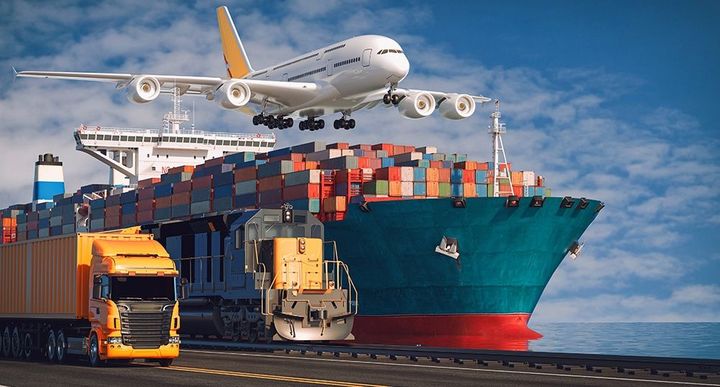
Products are transported by sea, air, rail, or road depending on destination, shipment size, and delivery requirements. Customs authorities review documentation before goods enter or leave a country.
Final Delivery
After customs clearance, products continue through domestic logistics networks until they reach warehouses, distributors, retailers, or end users.
Common Export Import Business Models
Different organizations participate in international trade using various business approaches.
Some businesses export products manufactured locally to overseas markets, while others import specialized products for domestic distribution.
Other common models include:
- Trading companies
- Wholesale distribution
- Manufacturing exports
- Private labeling
- Cross-border e-commerce
- Global sourcing partnerships
The appropriate model depends on business objectives, product categories, and target markets.
Key Factors for Successful International Trade
Several factors influence successful export and import operations.
Businesses should carefully evaluate:
- Product demand in target markets
- International trade regulations
- Customs requirements
- Transportation methods
- Supply chain efficiency
- Product quality standards
- Currency exchange considerations
- Risk management strategies
Careful planning helps improve operational efficiency while supporting long-term business growth.
Challenges in Export Import Business
International trade involves multiple parties, regulations, and transportation networks, creating several operational challenges.
Customs procedures, documentation requirements, changing regulations, transportation delays, and geopolitical developments can affect shipment schedules. Currency fluctuations and supply chain disruptions may also influence business planning.
Organizations that maintain accurate documentation, monitor regulatory updates, and establish reliable logistics partnerships are generally better prepared to manage these challenges.
Future Trends in Global Trade
Technology continues transforming international commerce.
Artificial intelligence is improving demand forecasting, document processing, and supply chain planning. Blockchain technology is increasing transparency across international transactions, while cloud-based trade management platforms simplify documentation and shipment tracking.
Sustainability is also becoming a greater priority as businesses adopt environmentally responsible packaging, energy-efficient transportation solutions, and more resilient supply chain strategies.
Digital marketplaces and cross-border e-commerce continue expanding opportunities for businesses to participate in global trade with greater efficiency.
Frequently Asked Questions
What is an Export Import Business?
It is a business that trades goods between countries by exporting products to international markets or importing products for domestic distribution.
Which industries participate in export and import activities?
Manufacturing, agriculture, healthcare, automotive, electronics, textiles, chemicals, food processing, and industrial equipment are among the industries involved in international trade.
What documents are commonly required?
Common documentation includes commercial invoices, packing lists, shipping documents, certificates of origin, customs declarations, and other regulatory paperwork depending on the destination.
Which transportation methods are used?
International shipments commonly travel by sea freight, air freight, rail networks, and road transportation based on shipment size, destination, and delivery schedules.
How is technology improving international trade?
Digital documentation, automated customs processing, artificial intelligence, blockchain, cloud platforms, and advanced logistics systems are helping improve efficiency, transparency, and supply chain visibility.
Conclusion
An Export Import Business plays an essential role in connecting global markets by enabling the movement of products across international borders. Through careful planning, regulatory compliance, efficient logistics, and strong supply chain management, businesses can participate successfully in international trade while supporting economic development.
As technology continues to reshape global commerce, export and import operations are becoming more efficient, transparent, and connected. Understanding the principles of international trade provides a strong foundation for organizations seeking long-term growth in global markets.