Industrial Noise Control Systems Explained: Engineering Methods, Compliance Standards, and Workplace Safety Insights
Industrial noise control systems are engineering approaches used to reduce or manage sound levels generated by machinery, production processes, and mechanical equipment in industrial environments. Many factories, manufacturing plants, power facilities, and processing sites produce significant levels of noise due to rotating machines, compressors, motors, and material handling equipment. Without control measures, these sounds can travel across workspaces and sometimes beyond facility boundaries.
Industrial noise control systems developed as a response to the growing recognition that long-term exposure to high sound levels can affect hearing, concentration, and overall workplace conditions. Engineers and occupational health specialists study how sound travels, reflects, and spreads through structures in order to design practical solutions that limit noise exposure.
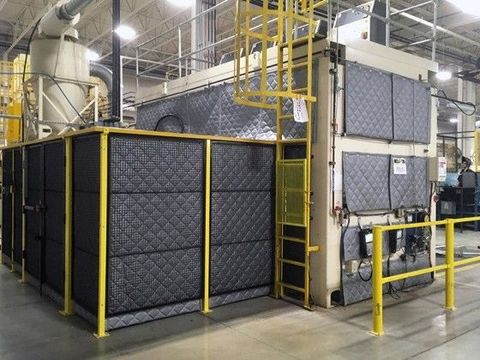
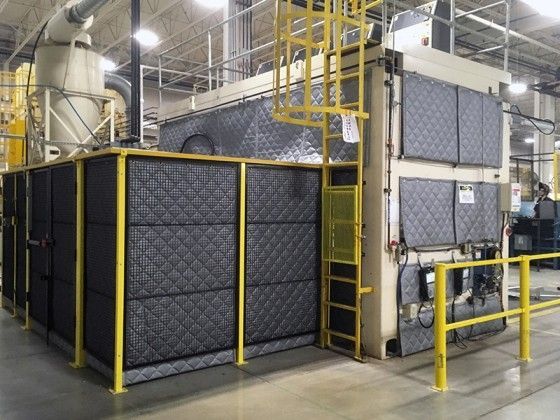
The engineering methods behind these systems typically involve identifying sound sources, measuring noise intensity, and applying structural or acoustic techniques that reduce sound energy. These solutions may include barriers, enclosures, absorptive materials, vibration isolation devices, and layout adjustments within industrial buildings.
In modern industrial planning, noise control is often considered alongside safety, environmental management, and worker well-being. As a result, industrial noise control systems are increasingly integrated into facility design, equipment placement, and operational procedures.
Importance
Noise in industrial settings can influence several aspects of workplace safety and daily operations. High sound levels may interfere with communication between workers, reduce concentration during complex tasks, and contribute to long-term hearing damage when exposure occurs over extended periods.
Industrial noise control systems address these concerns by lowering sound intensity and improving the acoustic environment inside facilities. This can help create clearer communication between workers, which is particularly important in environments where verbal instructions or warnings must be heard quickly.
Noise reduction measures also contribute to broader occupational health strategies. When sound levels remain within recommended exposure limits, the risk of hearing loss and stress-related effects can decrease. Workplace safety programs often include noise monitoring as part of routine environmental assessments.
The impact of industrial noise can extend beyond the facility itself. In some cases, sound from factories may travel into nearby residential areas or commercial zones. Noise control strategies therefore help reduce environmental disturbances and support compliance with local regulations.
Industries where noise control systems are commonly used include:
- Manufacturing facilities using large mechanical equipment
- Power generation plants with turbines and compressors
- Metal fabrication and machining operations
- Mining and material processing sites
- Transportation infrastructure maintenance facilities
By addressing these challenges, industrial noise control systems support safer working environments and more balanced interactions between industrial operations and surrounding communities.
Recent Updates
Between 2024 and 2026, several trends have influenced the development of industrial noise control systems and workplace safety practices.
One important development involves improved digital noise monitoring. Modern sound measurement devices now allow continuous tracking of sound levels across multiple areas of a facility. These systems can record fluctuations during different production stages and help engineers identify the most significant noise sources.
Another trend involves the integration of noise control planning into early facility design. Rather than applying solutions after noise problems appear, engineers increasingly consider acoustic performance during the layout of machinery, structural materials, and building geometry. This proactive approach can reduce the need for extensive modifications later.
Advancements in acoustic materials have also influenced noise management. New composite panels and sound-absorbing structures can reduce reflected sound inside large industrial halls. These materials are often designed to withstand heat, vibration, and environmental exposure typical in industrial settings.
Automation and robotics have also changed noise patterns in certain industries. While automated equipment can reduce manual activity in some processes, robotic systems may introduce new sound sources such as high-speed motors or pneumatic components. As a result, noise control engineers now evaluate both traditional machinery and automated equipment during assessments.
Overall, the current trend focuses on combining measurement technology, facility planning, and advanced materials to manage noise exposure more effectively.
Laws or Policies
Industrial noise control systems are closely connected to occupational health regulations and environmental policies. Many countries maintain standards that define acceptable noise exposure levels in workplaces and surrounding environments.
In India, workplace noise exposure is addressed through regulations associated with occupational safety and environmental protection. Authorities such as the Central Pollution Control Board and state pollution control boards establish guidelines for environmental noise levels in industrial areas.
Workplace safety standards also reference international guidance such as those developed by the International Labour Organization and the World Health Organization. These organizations publish recommendations on safe exposure limits and hearing protection practices.
Typical occupational noise exposure limits used in many safety guidelines are shown below.
| Noise Level (dB) | Maximum Daily Exposure Duration |
|---|---|
| 85 dB | 8 hours |
| 88 dB | 4 hours |
| 91 dB | 2 hours |
| 94 dB | 1 hour |
| 97 dB | 30 minutes |
These exposure limits help safety professionals determine when engineering controls, protective equipment, or operational changes are needed.
Policies related to industrial noise management may include:
- Workplace exposure limits, which define acceptable sound levels for workers during a work shift
- Environmental noise guidelines, which address sound levels outside industrial facilities
- Hearing conservation programs, which include periodic hearing tests and training
- Engineering control requirements, encouraging noise reduction at the source before relying on protective equipment
Compliance with these regulations supports worker safety and helps facilities maintain acceptable environmental noise conditions.
Tools and Resources
Industrial noise control systems rely on several technical tools and resources that assist engineers, safety professionals, and facility planners.
Sound Level Measurement Instruments
Sound level meters are used to measure noise intensity in decibels (dB). These handheld devices help identify areas where sound levels exceed recommended limits. Some models record measurements over extended periods to analyze patterns during different operational cycles.
Acoustic Modeling Software
Acoustic modeling programs simulate how sound travels within buildings or outdoor environments. Engineers can use these tools to test potential noise control strategies before implementing structural changes.
Examples of commonly used modeling approaches include:
- Source modeling, which estimates the sound produced by individual machines
- Propagation modeling, which predicts how sound spreads across spaces
- Barrier analysis, which evaluates the effectiveness of walls or acoustic screens
Noise Mapping Platforms
Noise mapping platforms create visual representations of sound distribution inside industrial facilities. These maps help identify zones where workers may experience higher exposure levels and support planning for protective measures.
Safety Guidance Resources
Several international organizations publish educational materials related to workplace noise management. One widely referenced resource is the guidance developed by the National Institute for Occupational Safety and Health, which explains measurement techniques and hearing conservation strategies.
These resources help safety professionals understand how to measure noise exposure, interpret results, and apply engineering controls effectively.
FAQs
What are industrial noise control systems?
Industrial noise control systems are engineering methods used to reduce sound generated by machinery, equipment, and production processes in industrial facilities. These systems typically include acoustic barriers, equipment enclosures, vibration isolation devices, and sound-absorbing materials.
How do industrial noise control systems improve workplace safety?
These systems reduce sound levels that workers experience during daily operations. Lower noise exposure can improve communication, reduce distractions, and decrease the risk of hearing damage during long periods in high-noise environments.
What are common engineering methods used in industrial noise control systems?
Common methods include source control, path control, and receiver protection. Source control focuses on reducing sound generated by machines. Path control uses barriers or enclosures to block sound travel. Receiver protection includes hearing protection equipment when engineering controls alone cannot reduce exposure sufficiently.
What standards regulate workplace noise exposure?
Workplace noise exposure standards are defined by occupational safety regulations and environmental guidelines. Organizations such as the International Labour Organization and national safety authorities publish recommended limits for daily noise exposure.
How is industrial noise measured in workplaces?
Noise levels are measured using sound level meters and personal noise dosimeters. These instruments record sound intensity in decibels and help safety professionals determine whether exposure levels remain within acceptable limits.
Conclusion
Industrial noise control systems play an important role in managing sound levels generated by machinery and production activities. Through engineering methods such as acoustic barriers, equipment enclosures, and vibration isolation, these systems help reduce noise exposure in industrial environments. Regulations and safety guidelines establish acceptable limits for workplace noise and encourage preventive strategies. Advances in measurement technology and acoustic materials continue to support more effective noise management in modern facilities.