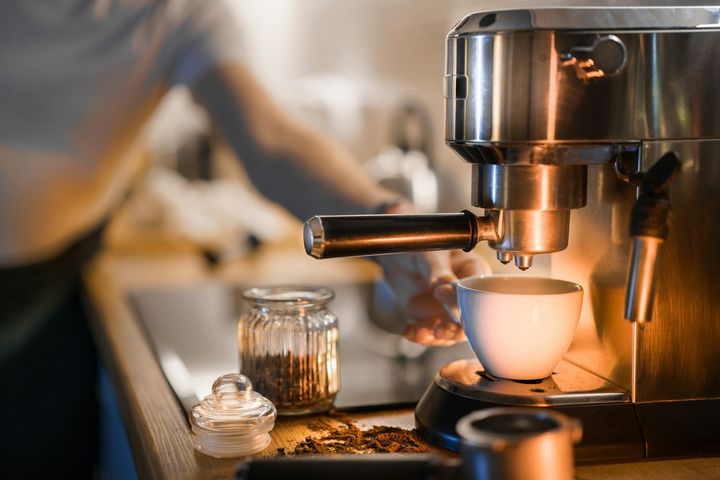
Beginner’s Guide to Coffee Machines: Basics, Tips, and Helpful Resources to Learn More
Coffee machines are devices designed to prepare coffee by passing hot water through ground coffee beans. While coffee has been consumed for centuries, modern coffee machines emerged as technology advanced and households looked for easier ways to prepare consistent beverages. Today, these machines are commonly found in homes, workplaces, and public spaces.
The development of coffee machines is closely linked to the broader history of coffee culture. Early brewing methods involved simple tools such as pots or cloth filters. Over time, innovations introduced automated processes that control temperature, water pressure, and brewing time. These improvements helped standardize preparation and made coffee accessible to a wider audience.
A beginner’s guide to coffee machines usually focuses on explaining how different machine types work, what components they use, and how users can learn the basics of operation. Many people exploring coffee preparation at home want to understand the differences between drip machines, espresso machines, capsule systems, and manual brewers.
Organizations such as the Specialty Coffee Association have contributed to educational resources that explain brewing techniques, equipment design, and coffee quality standards. Their research and publications have helped shape common knowledge about coffee preparation.
Understanding coffee machines involves learning about several basic elements: water temperature, pressure, grind size, and extraction time. These factors influence flavor, aroma, and strength. For beginners, becoming familiar with these fundamentals can make it easier to interpret how different machines produce different results.
In many households, coffee machines serve as everyday kitchen tools. As technology continues to evolve, newer designs incorporate digital controls, programmable settings, and automated cleaning cycles. Despite these technological developments, the underlying concept remains the same: extracting flavor compounds from ground coffee using hot water.
Importance
Coffee machines play a practical role in daily routines for many people. Coffee is widely consumed across cultures, and machines provide a structured way to prepare it consistently. Without a machine or brewing device, preparing coffee can require more time and manual effort.
For beginners, understanding coffee machines can help reduce confusion when exploring coffee preparation methods. Different machine types operate differently, and each requires basic knowledge of setup and operation. Learning these fundamentals allows users to better understand why beverages prepared with different machines may taste different.
Several everyday challenges make coffee machine knowledge relevant:
- Consistency in preparation: Machines control brewing variables such as water flow and temperature, helping maintain similar results across multiple preparations.
- Convenience in daily routines: Automated features allow coffee preparation to fit easily into busy schedules.
- Understanding equipment differences: Knowing the basic functions of various machines helps people interpret instructions and maintenance steps.
- Learning about coffee extraction: Understanding brewing principles helps users recognize how grind size, water temperature, and brewing time interact.
Coffee machines also support broader coffee education. Many people begin learning about coffee through basic machines and later explore more advanced brewing techniques. Educational platforms, coffee courses, and community workshops often introduce machine operation as a starting point.
In workplaces and shared environments, coffee machines often act as communal equipment. Basic knowledge of how machines operate can help prevent misuse and reduce equipment problems. For example, understanding how water reservoirs, filters, and brewing chambers function helps users operate machines responsibly.
Another important aspect is hygiene and maintenance. Coffee machines require periodic cleaning and correct handling to maintain performance. Awareness of these practices helps extend equipment lifespan and supports consistent beverage quality.
Overall, coffee machines simplify coffee preparation while also providing opportunities to learn about brewing science and beverage culture.
Recent Updates
Between 2024 and 2026, several trends have shaped the development of coffee machines. One noticeable shift involves the integration of digital technology. Many newer machines include touch panels, programmable brewing options, and smartphone connectivity that allow users to adjust brewing settings remotely.
Another development involves improved temperature and pressure control. Manufacturers increasingly design machines with precise heating systems that maintain stable brewing temperatures. Consistent temperature helps improve extraction balance and allows users to replicate preparation methods more easily.
Sustainability has also become a growing topic within coffee equipment design. Some manufacturers are experimenting with recyclable capsules, reusable filters, and energy-efficient heating systems. These changes aim to reduce environmental impact while maintaining convenient brewing processes.
The global coffee community, including organizations like the International Coffee Organization, has also highlighted education and transparency in coffee preparation. Online courses, brewing guides, and equipment demonstrations are becoming more accessible through digital platforms.
Another trend is the growing popularity of compact coffee machines designed for smaller living spaces. Urban households often look for machines that occupy minimal counter space while still supporting multiple brewing styles.
Overall, the recent evolution of coffee machines reflects broader technology trends: digital interfaces, improved precision, and growing attention to sustainability and usability.
Laws or Policies
Coffee machines themselves are typically regulated through general product safety standards rather than coffee-specific laws. Governments establish electrical safety and appliance regulations to ensure that machines operate safely in households and workplaces.
In many countries, kitchen appliances must comply with electrical safety certifications. These certifications verify that products meet technical requirements related to wiring, heating elements, and insulation. In India, for example, appliance safety can fall under guidelines administered by the Bureau of Indian Standards.
Regulations related to coffee machines may also involve:
- Electrical safety standards: Appliances must follow national electrical safety guidelines.
- Material safety requirements: Components that come into contact with water or beverages must use materials considered safe for food preparation.
- Energy efficiency labeling: Some countries encourage labeling systems that help consumers understand appliance energy use.
- Waste and recycling policies: Environmental rules may influence packaging materials or disposable components.
International trade rules can also affect coffee machines because many devices are manufactured in one country and distributed globally. Import regulations, appliance certification requirements, and labeling guidelines help ensure that products entering a country comply with domestic standards.
Although these policies rarely affect daily operation for individual users, they shape how coffee machines are designed, manufactured, and distributed.
Tools and Resources
Many tools and educational resources help beginners understand coffee machines and brewing methods. These resources provide practical explanations of equipment functions and coffee preparation techniques.
Several types of tools are commonly used:
- Brewing ratio calculators: These tools help estimate the relationship between coffee grounds and water volume.
- Grind size charts: Visual guides explain how grind texture affects brewing results across different machine types.
- Brewing time guides: Reference tables show typical extraction durations for different coffee machines.
- Maintenance checklists: Step-by-step lists explain routine cleaning and equipment care.
Educational websites also provide helpful explanations of coffee preparation concepts. For example, the Specialty Coffee Association publishes learning materials covering brewing science and equipment operation.
Online learning platforms and coffee education portals may include tutorials that demonstrate:
- How drip coffee machines operate
- How espresso machines use pressure for extraction
- How capsule systems manage water flow and brewing time
- How manual brewing devices differ from automated machines
Below is a simple comparison table showing common coffee machine types and their basic brewing characteristics.
| Coffee Machine Type | Brewing Method | Pressure Level | Typical Brewing Time |
|---|---|---|---|
| Drip Coffee Machine | Hot water flows through ground coffee using gravity | Low pressure | 4–6 minutes |
| Espresso Machine | Water forced through fine grounds | High pressure | 20–30 seconds |
| Capsule Machine | Pre-measured capsules used for extraction | Medium pressure | 30–60 seconds |
| French Press | Coffee grounds steeped in hot water then filtered | No pressure | 4 minutes |
These tools and references allow beginners to gradually understand how different machines operate and how brewing variables influence coffee preparation.
FAQs
What are coffee machines and how do they work?
Coffee machines are appliances designed to prepare coffee by passing hot water through ground coffee beans. Depending on the type of machine, water may flow through the coffee using gravity, pressure, or immersion methods.
What types of coffee machines are common for beginners?
Common coffee machines include drip coffee machines, espresso machines, capsule systems, and French press brewers. Each type uses a different brewing method and produces beverages with varying strength and texture.
How do coffee machines control coffee extraction?
Coffee machines control extraction by regulating factors such as water temperature, pressure, and brewing time. These variables determine how flavor compounds dissolve from the coffee grounds into the beverage.
Why do different coffee machines produce different flavors?
Different machines use varying pressure levels, brewing durations, and grind sizes. These variables influence how oils, acids, and soluble compounds are extracted from coffee grounds, which changes the resulting flavor.
How often should coffee machines be cleaned?
Coffee machines generally require periodic cleaning to remove mineral buildup and coffee residue. Regular maintenance helps maintain consistent brewing performance and prevents unwanted flavors from accumulating in the equipment.
Conclusion
Coffee machines provide a structured method for preparing coffee using controlled brewing processes. Understanding how different machines operate helps beginners learn about extraction, brewing variables, and equipment maintenance. Recent technological developments have introduced digital features, compact designs, and sustainability considerations. Regulations related to appliance safety also shape how coffee machines are manufactured and distributed. Learning the basics of coffee machines can help readers better understand everyday coffee preparation and the tools involved.