Biotech Knowledge: Explore Concepts, Methods and Discoveries
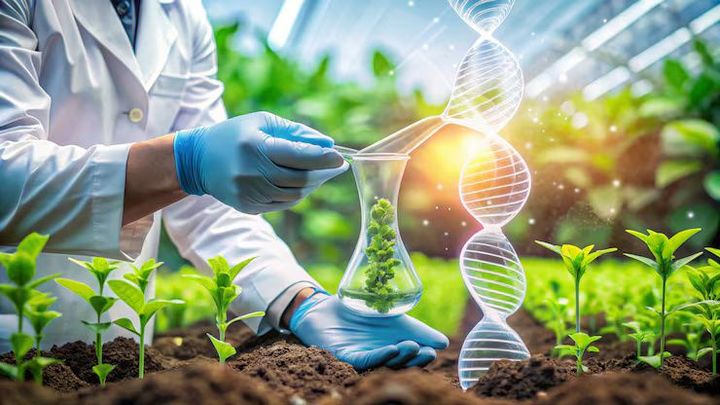
Biotechnology is a scientific field that combines biology with technology to understand living organisms and develop practical applications. It brings together knowledge from genetics, microbiology, chemistry, engineering, and computer science to improve research and solve real-world challenges. Today, biotechnology supports progress in healthcare, agriculture, environmental protection, and industrial production.
Biotech knowledge continues to expand as researchers develop new methods for studying cells, genes, proteins, and microorganisms. Modern laboratories use advanced tools to improve accuracy, increase efficiency, and explore biological systems in greater detail. Understanding biotechnology helps individuals follow scientific developments and recognize how biological research influences everyday life.
Context
Biotechnology refers to the use of living organisms, biological systems, or their components to develop useful processes and technologies. Although biotechnology has become highly advanced in recent decades, its roots can be traced back thousands of years through traditional practices such as fermentation for making bread, yogurt, and cheese.
Today, biotechnology includes multiple scientific branches, each with a different purpose. Medical biotechnology focuses on disease research and medicine development, agricultural biotechnology studies crops and livestock, industrial biotechnology supports manufacturing processes, and environmental biotechnology helps reduce pollution and improve waste management.
Main Areas of Biotechnology
- Medical biotechnology
- Agricultural biotechnology
- Industrial biotechnology
- Environmental biotechnology
- Marine biotechnology
- Food biotechnology
These fields often work together, allowing scientists to combine knowledge from several disciplines to address complex biological questions.
Common Biotechnology Methods
Researchers use many laboratory methods to understand biological systems. Some of the most common include:
- DNA sequencing
- Gene editing
- Polymerase Chain Reaction (PCR)
- Cell culture
- Protein analysis
- Microbial fermentation
- Bioinformatics analysis
Each method helps scientists collect accurate biological information while supporting research and innovation.
Biotechnology Fields and Applications
| Biotechnology Field | Primary Focus | Common Applications |
|---|---|---|
| Medical Biotechnology | Human health | Vaccines, diagnostics, therapeutic research |
| Agricultural Biotechnology | Crop improvement | Disease-resistant crops, plant breeding |
| Industrial Biotechnology | Manufacturing | Enzymes, bio-based materials, fermentation |
| Environmental Biotechnology | Ecosystems | Waste treatment, pollution monitoring |
| Marine Biotechnology | Ocean resources | Marine organisms, biomaterials |
| Food Biotechnology | Food science | Fermentation, food safety, nutrition research |
Importance
Biotechnology plays an important role in scientific discovery and technological progress. Researchers use biotechnology to understand diseases, improve agricultural productivity, develop environmentally friendly manufacturing methods, and study biological processes at the molecular level.
Healthcare is one of the most recognized areas influenced by biotechnology. Scientists use biotechnology to study genetic conditions, improve diagnostic techniques, and support the development of vaccines and biological medicines. Laboratory technologies also assist researchers in identifying infectious diseases more efficiently.
Agriculture benefits through improved understanding of plant genetics, disease resistance, soil health, and sustainable farming practices. Biotechnology also contributes to food quality, crop resilience, and scientific breeding techniques.
Environmental research relies on biotechnology to study microorganisms capable of breaking down pollutants, recycling waste materials, and improving water quality. Industrial biotechnology supports cleaner production methods by using biological processes instead of certain traditional chemical methods.
Biotechnology affects many groups, including:
- Students studying life sciences
- Scientific researchers
- Healthcare professionals
- Agricultural experts
- Environmental scientists
- Manufacturing specialists
- Policymakers
- Educators
As biological research expands, biotechnology knowledge becomes increasingly valuable across education, research, and industry.
Recent Updates
Between 2024 and 2026, biotechnology has experienced significant scientific progress driven by advances in computing, laboratory automation, and molecular biology.
Artificial intelligence is increasingly supporting biotechnology research by helping scientists analyze large biological datasets, identify genetic patterns, and accelerate laboratory workflows. Machine learning techniques are improving data interpretation while reducing research time.
Gene editing technologies continue to advance through improved precision and safety. Researchers are studying applications related to inherited diseases, agricultural improvements, and biological research while maintaining strong ethical oversight.
Laboratory automation has become more common, allowing scientists to process larger numbers of biological samples with greater consistency. Robotic systems, digital imaging, and automated analysis platforms help improve research efficiency.
Bioinformatics continues to expand as genome sequencing generates increasingly large datasets. Researchers rely on computational tools to organize, compare, and interpret biological information from numerous species.
Other important developments include:
- Improved genomic sequencing technologies
- Growth of precision medicine research
- Advances in synthetic biology
- Expansion of microbiome research
- Development of sustainable bio-based materials
- Increased collaboration between biology and data science
These developments continue to broaden scientific understanding while supporting future discoveries.
Laws or Policies
Biotechnology research operates under strict legal, ethical, and scientific guidelines that vary by country. These regulations help protect human health, animal welfare, environmental safety, and research integrity.
Many countries require laboratory research involving genetically modified organisms (GMOs), biological materials, or clinical studies to follow national biosafety standards. Research institutions also maintain ethics committees that review scientific projects before they begin.
International organizations publish recommendations that encourage responsible biotechnology practices, transparency, and scientific cooperation. Governments regularly update regulations to address emerging technologies such as gene editing, synthetic biology, and artificial intelligence.
Important policy areas include:
- Biosafety regulations
- Biosecurity measures
- Research ethics
- Clinical research standards
- Environmental protection requirements
- Laboratory quality management
- Genetic data privacy
- Responsible research practices
Following these regulations supports safe scientific progress while protecting public interests.
Tools and Resources
Scientists, educators, and students use numerous digital resources to study biotechnology and access reliable scientific information.
Useful resources include:
- National biotechnology research institutes
- University learning platforms
- Government health agencies
- Public genome databases
- Scientific journals
- Bioinformatics software
- DNA sequence analysis tools
- Laboratory protocol libraries
Many educational institutions also provide biotechnology learning materials, virtual laboratory demonstrations, and research publications that explain scientific concepts in accessible language.
When using biotechnology information, it is helpful to:
- Verify information from trusted scientific sources.
- Review recent research publications.
- Compare findings from multiple organizations.
- Follow updated scientific guidelines.
- Understand ethical considerations alongside technical knowledge.
FAQs
What is biotechnology?
Biotechnology is the application of biological science and technology to study living organisms and develop useful scientific methods across healthcare, agriculture, industry, and environmental research.
Why is biotech knowledge important?
Biotech knowledge helps people understand scientific discoveries, modern medical research, agricultural innovation, environmental protection, and biological technologies used in everyday life.
What are the major branches of biotechnology?
The major branches include medical biotechnology, agricultural biotechnology, industrial biotechnology, environmental biotechnology, marine biotechnology, and food biotechnology.
How is artificial intelligence used in biotechnology?
Artificial intelligence helps researchers analyze biological data, identify patterns, improve laboratory workflows, support genome analysis, and accelerate scientific research.
Is biotechnology regulated?
Yes. Biotechnology research follows biosafety regulations, ethical standards, laboratory guidelines, and government policies designed to ensure responsible scientific practices.
Conclusion
Biotechnology combines biology and technology to improve scientific understanding and develop practical solutions across healthcare, agriculture, environmental science, and manufacturing. Its methods continue to evolve through advances in genetics, laboratory technology, artificial intelligence, and computational biology.
As research progresses, biotech knowledge becomes increasingly valuable for students, researchers, professionals, and anyone interested in scientific innovation. Understanding its concepts, methods, regulations, and recent developments provides a strong foundation for following future discoveries and their impact on society.
Continued learning from trusted scientific resources helps readers stay informed as biotechnology advances through responsible research and global collaboration.