Industrial Robots Insights: Learn Automation Systems
Industrial robots have become an important part of modern manufacturing and production. These programmable machines perform repetitive, precise, and physically demanding tasks that help improve efficiency and consistency. Industries such as automotive, electronics, food processing, pharmaceuticals, and logistics increasingly use automation systems to support daily operations while maintaining production quality.
As automation technologies continue to develop, industrial robots are becoming more intelligent through advanced sensors, artificial intelligence, and machine vision. Understanding how automation systems work helps businesses, students, engineers, and technology enthusiasts keep pace with changes in industrial production. This article explains the context, importance, recent developments, regulations, and practical resources related to industrial robots.
Context – Understanding Industrial Robots and Automation Systems
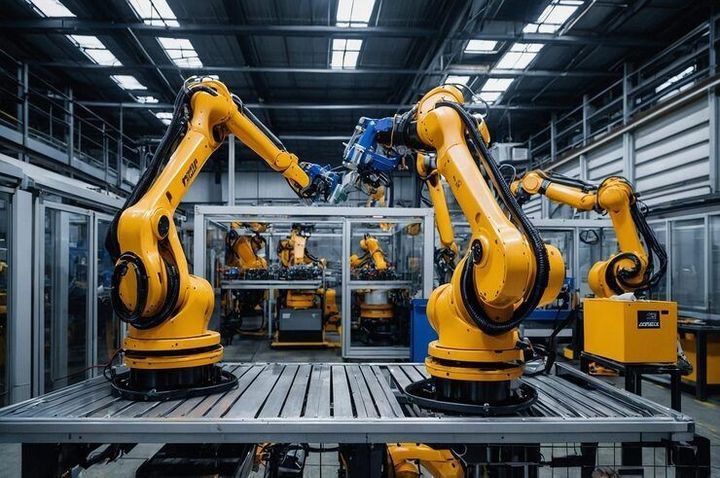
Industrial robots are programmable mechanical devices designed to perform manufacturing and production tasks with minimal human intervention. These robots can move materials, assemble components, weld parts, inspect products, package goods, and complete many other repetitive activities.
Automation systems combine industrial robots with sensors, controllers, software, communication networks, and monitoring equipment. Together, these technologies create production environments where machines perform coordinated operations while human workers supervise, maintain, and optimize the overall process.
Types of Industrial Robots
Common industrial robot categories include:
- Articulated robots
- SCARA robots
- Cartesian robots
- Delta robots
- Collaborative robots (Cobots)
Each type is designed for different industrial applications depending on movement, accuracy, speed, and workspace requirements.
Common Applications
| Industry | Typical Robot Applications |
|---|---|
| Automotive | Welding, painting, assembly |
| Electronics | Component placement, testing |
| Food Processing | Packaging, sorting, palletizing |
| Pharmaceuticals | Inspection, material handling |
| Logistics | Warehouse automation, order handling |
| Metal Manufacturing | Cutting, grinding, machine tending |
The primary purpose of industrial robots is to improve production consistency while supporting safer and more efficient manufacturing operations.
Importance – Why Industrial Robots Matter
Industrial robots play a significant role in today's manufacturing environment. They help industries maintain consistent production quality, reduce repetitive manual work, and operate continuously when required.
Automation systems also improve workplace safety by handling hazardous materials, heavy lifting, and tasks involving extreme temperatures or chemicals. Human workers can instead focus on monitoring equipment, quality assurance, maintenance, programming, and process improvement.
Industries that benefit from industrial robots include:
- Automotive manufacturing
- Aerospace production
- Medical device manufacturing
- Consumer electronics
- Packaging industries
- Warehousing and distribution
- Metal fabrication
Educational institutions also benefit because students studying engineering, robotics, computer science, and industrial automation gain practical knowledge that supports future technological innovation.
Although automation changes some traditional work processes, it also increases demand for skills related to robotics programming, maintenance, system integration, and data analysis.
Recent Updates – Trends and Developments from 2024–2026
Industrial robotics continues to evolve through smarter automation technologies and digital manufacturing systems.
One important trend is the growing adoption of collaborative robots. These robots are designed to work alongside people while following safety requirements. Their flexibility makes them suitable for smaller production facilities as well as large manufacturing plants.
Artificial intelligence is becoming more integrated into industrial robots. AI-powered systems can recognize objects, improve inspection accuracy, optimize movement paths, and support predictive maintenance by identifying equipment issues before failures occur.
Machine vision technology has also advanced significantly. High-resolution cameras combined with intelligent software enable robots to inspect products more accurately, identify defects, and guide assembly operations with greater precision.
Digital twins have become increasingly valuable between 2024 and 2026. Manufacturers create virtual models of production systems to simulate operations, evaluate performance, and identify improvements before implementing physical changes.
Additional developments include:
- Improved energy-efficient robot designs
- Faster industrial communication networks
- Enhanced cybersecurity for connected factories
- Greater integration with Industrial Internet of Things (IIoT) platforms
- Increased use of cloud-based production monitoring
These innovations support smarter manufacturing while improving operational efficiency and production reliability.
Laws or Policies – Regulations Related to Industrial Robots
Industrial robots operate within established safety standards and regulatory frameworks that help protect workers and ensure reliable machine operation.
Many countries follow international safety standards developed by organizations such as the International Organization for Standardization (ISO). These standards provide guidance for robot design, installation, operation, maintenance, and risk assessment.
Important regulatory areas include:
- Workplace safety requirements
- Machine guarding standards
- Emergency stop systems
- Risk assessment procedures
- Electrical safety regulations
- Cybersecurity recommendations for connected equipment
Collaborative robots often require additional safety evaluations because they work in closer proximity to human operators.
Government agencies responsible for workplace safety may require employers to evaluate robotic systems before operation and regularly inspect safety measures. Compliance helps reduce workplace hazards while supporting safe industrial environments.
As automation systems become increasingly connected through industrial networks, cybersecurity policies are also receiving greater attention to protect production infrastructure from digital threats.
Tools and Resources – Helpful Learning Platforms
Many educational resources help people understand industrial robots and automation systems.
Useful resources include:
- International Organization for Standardization (ISO) standards
- National workplace safety authorities
- Robotics manufacturer documentation
- Industrial automation learning platforms
- Engineering university research publications
- Technical journals on robotics and manufacturing
- Open-source robot simulation software
Helpful Software and Platforms
Common learning tools include:
- Robot simulation software
- PLC programming environments
- Digital twin simulation platforms
- Industrial CAD software
- Machine vision development tools
Many manufacturers also publish technical manuals, application guides, programming examples, and safety documentation that help learners understand industrial robotics principles.
FAQs
What is an industrial robot?
An industrial robot is a programmable machine designed to perform manufacturing or production tasks such as welding, assembly, packaging, inspection, and material handling.
What is an automation system?
An automation system combines robots, sensors, controllers, software, and communication technologies to perform industrial processes with limited manual intervention.
Which industries commonly use industrial robots?
Automotive, electronics, pharmaceuticals, logistics, food processing, aerospace, and metal manufacturing are among the industries that frequently use industrial robots.
Are collaborative robots different from traditional industrial robots?
Yes. Collaborative robots are designed to work safely alongside people while traditional industrial robots often operate within protected work areas.
Why are industrial robots becoming more intelligent?
Advances in artificial intelligence, machine vision, sensors, and data analytics allow robots to recognize objects, improve decision-making, optimize production processes, and support predictive maintenance.
Conclusion
Industrial robots have become an essential part of modern automation systems, supporting manufacturing, logistics, healthcare production, and many other industries. Their ability to perform repetitive and precise tasks contributes to improved efficiency, consistency, and workplace safety.
Recent developments between 2024 and 2026 show continued progress in artificial intelligence, collaborative robotics, digital twins, and Industrial Internet of Things technologies. These innovations are shaping smarter production environments across the world.
Understanding industrial robots helps businesses, students, engineers, and policymakers make informed decisions about automation technologies. As regulations, digital technologies, and manufacturing practices continue to evolve, industrial robotics will remain an important area of technological advancement.
Continuous learning through technical resources, industry standards, and educational platforms can help individuals stay informed about future developments in automation systems.