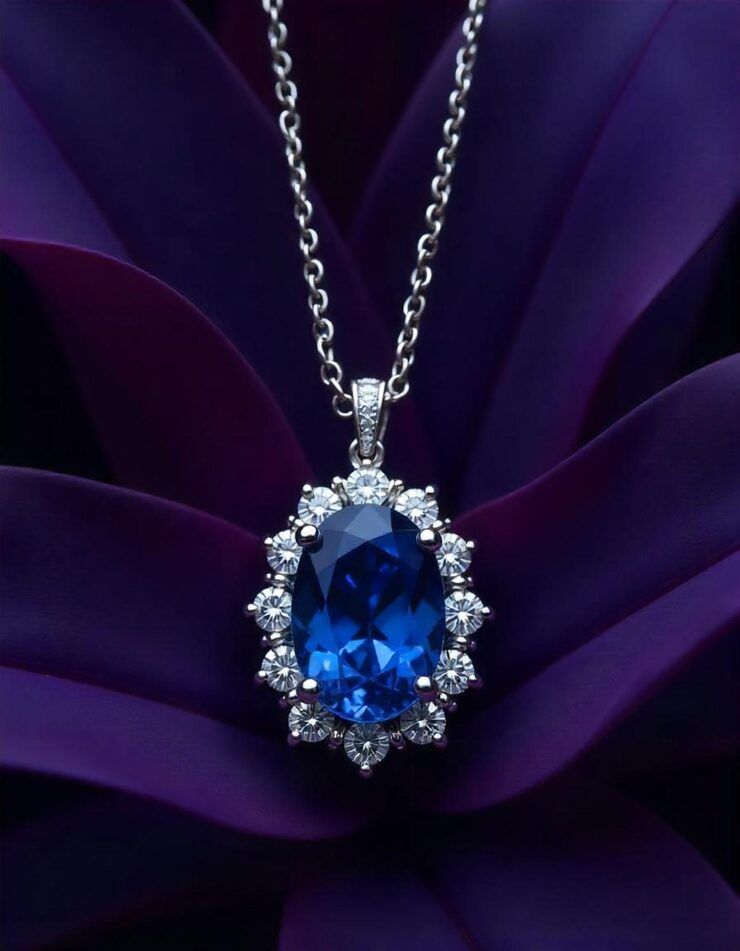
Blue Sapphire Jewellery is admired for its deep royal color, durability, and historical symbolism. Known scientifically as corundum, blue sapphire ranks high in gemstone value due to its hardness and clarity. From traditional royal ornaments to modern luxury accessories, this gemstone has maintained cultural, astrological, and financial significance across generations.
Context
Blue sapphire jewellery refers to ornaments crafted using blue sapphire gemstones, which are prized for their vibrant hue and exceptional durability. Blue sapphire is a variety of corundum colored by trace elements like iron and titanium. It ranks 9 on the Mohs hardness scale, making it one of the most durable gemstones used in fine jewellery.
Historically, blue sapphire has been associated with royalty, wisdom, and divine blessings. Ancient civilizations in regions like Sri Lanka and Kashmir considered it a stone of protection and prosperity. In astrology, blue sapphire is linked with Saturn and is often worn for spiritual alignment and focus.
The gemstone is sourced from countries such as Sri Lanka, Myanmar, Thailand, Australia, and Madagascar. Among collectors, “Kashmir blue sapphire” is considered rare and highly valuable due to its velvety texture and intense color.
Importance
Blue sapphire jewellery matters today for multiple reasons, including fashion trends, cultural beliefs, and long-term asset diversification.
For fashion enthusiasts, sapphire jewellery offers a timeless alternative to diamonds. Designers incorporate it into engagement rings, pendants, earrings, and bracelets because of its versatility and vibrant shade variations.
For investors, natural blue sapphire is often discussed alongside precious gemstones as a tangible asset. High-quality stones with certified origin and untreated status can retain significant value over time.
For astrology followers, blue sapphire is believed to influence discipline, career stability, and focus. While such beliefs vary culturally, the gemstone continues to play an important role in spiritual traditions.
The gemstone industry also supports mining communities worldwide, contributing to employment and export revenue in producing countries.
Blue Sapphire Quality Factors
Understanding quality standards helps individuals make informed decisions. Key evaluation criteria include:
| Factor | Description | Impact on Value |
|---|---|---|
| Color | Deep royal blue with strong saturation | High |
| Clarity | Fewer visible inclusions | Moderate to High |
| Cut | Proper symmetry and brilliance | Moderate |
| Carat Weight | Larger stones are rarer | High |
| Treatment | Untreated stones preferred | High |
Color remains the most important factor. Stones that display uniform deep blue with minimal gray or green tones are considered premium.
Recent Updates
The global gemstone industry has seen several developments in 2024 and early 2025.
In 2024, sustainability and traceability became major industry priorities. Organizations such as Gemological Institute of America expanded digital origin reports to improve transparency in gemstone certification.
Blockchain-based traceability initiatives have also gained momentum. Some international jewellery brands now use digital tracking systems to verify mining sources and ethical practices.
In 2024, Sri Lanka reported increased sapphire exports following recovery in mining activity after previous slowdowns. Trade exhibitions in Bangkok and Hong Kong highlighted untreated blue sapphires as a premium category.
Laboratory testing standards have also become stricter, particularly regarding heat treatment disclosure. Certification labs now provide more detailed reports specifying treatment methods and origin.
Laws and Policies
Blue sapphire jewellery is influenced by international trade regulations and national gemstone policies.
In India, the Bureau of Indian Standards (BIS) regulates hallmarking for gold jewellery, ensuring metal purity standards. While gemstones themselves are not hallmarked like gold, jewellery containing blue sapphire must meet metal quality standards.
Import and export regulations also affect gemstone trade. Countries such as Sri Lanka maintain licensing frameworks for gemstone mining and export to promote sustainable practices.
International agreements on responsible sourcing, including guidelines promoted by the Organisation for Economic Co-operation and Development (OECD), encourage ethical supply chains in mineral trade.
Consumer protection laws require accurate disclosure of gemstone treatments. Misrepresentation of synthetic or treated stones can lead to legal penalties in many countries.
Tools and Resources
Several professional resources help individuals understand blue sapphire jewellery better:
• Gemological Institute of America – Provides gemstone certification and educational materials
• International Gemological Institute – Offers grading reports and authenticity verification
• American Gem Society – Shares jewellery standards and consumer guides
• Bureau of Indian Standards – Provides hallmarking information in India
Helpful tools include:
• Gemstone weight conversion calculators
• Online Mohs hardness comparison charts
• Certification verification portals
• Jewellery insurance valuation templates
• Digital gemstone report tracking systems
These resources support transparency, authentication, and informed decision-making.
Blue Sapphire vs Other Precious Gemstones
A brief comparison highlights how blue sapphire stands among other gemstones:
| Gemstone | Hardness (Mohs) | Common Use | Durability |
|---|---|---|---|
| Blue Sapphire | 9 | Rings, pendants | Very High |
| Diamond | 10 | Engagement rings | Extremely High |
| Emerald | 7.5–8 | Statement jewellery | Moderate |
| Ruby | 9 | Rings, necklaces | Very High |
Blue sapphire combines durability and color richness, making it suitable for everyday wear compared to softer gemstones.
FAQs
What makes blue sapphire different from other sapphires?
Blue sapphire refers specifically to the blue-colored variety of corundum. Other sapphire colors, such as pink or yellow, are classified based on their dominant hue, but the blue variety is the most widely recognized.
Is heat treatment common in blue sapphire?
Yes, heat treatment is widely used to enhance color and clarity. Certified laboratory reports typically disclose whether a stone has undergone treatment.
Can blue sapphire be worn daily?
Due to its high hardness rating, blue sapphire is durable enough for daily wear, especially in rings and bracelets.
How can authenticity be verified?
Authenticity can be confirmed through certification reports issued by recognized gemological laboratories.
Does origin affect value?
Yes, sapphires from regions like Kashmir, Sri Lanka, and Myanmar are often valued higher due to historical reputation and color characteristics.
Conclusion
Blue sapphire jewellery represents a blend of beauty, durability, and cultural heritage. Its deep blue hue has symbolized wisdom and prosperity for centuries, while its physical strength ensures long-lasting wear.
Modern developments in gemstone certification, sustainability standards, and digital traceability have increased transparency in the industry. Understanding quality factors, regulatory frameworks, and professional certification processes helps individuals make informed decisions.
As fashion trends evolve and interest in tangible assets grows, blue sapphire continues to hold relevance across cultural, aesthetic, and financial contexts. By relying on verified resources and clear information, individuals can appreciate this gemstone with greater knowledge and confidence.