Boat Rental Guide: Explore Boat Types, Destinations, Features, Safety, and Planning Factors
Boat rental refers to a temporary arrangement that allows individuals or groups to use a boat for a specific period. It can involve many types of watercraft, ranging from small boats for lakes and rivers to larger vessels designed for coastal travel and extended journeys.
The concept exists because many people require access to a boat for occasional recreation, travel, fishing, water activities, or group events without maintaining a vessel throughout the year. Modern boat rental arrangements can include self-operated boats as well as vessels operated by an experienced captain or crew.
A Boat Rental Guide can help readers understand the main boat types, possible destinations, onboard features, safety requirements, and planning factors. The appropriate choice often depends on the number of passengers, local water conditions, planned activities, and the experience of the person operating the vessel.
How Boat Rentals Have Developed
Boat rentals have changed alongside developments in tourism, digital booking platforms, navigation technology, and recreational boating. Online platforms now commonly provide information about boat capacity, facilities, available rental periods, and operating requirements.
The range of vessels available can also vary by destination. Calm lakes, rivers, coastal areas, and open seas each create different requirements for boat design and operation. Matching the vessel to the planned environment is an important part of trip preparation.
Importance
Understanding boat rentals is important because water activities involve planning and safety considerations that may not be obvious to first-time users. Weather conditions, local navigation rules, passenger capacity, and emergency equipment can all affect a trip.
A suitable boat can also depend heavily on the planned activity. A group planning a relaxed day on a lake may have different requirements from people planning a fishing trip or a multi-day coastal journey.
Common Reasons for Renting a Boat
People may use boat rental arrangements for different purposes, including:
- Sightseeing and coastal exploration
- Family outings
- Fishing activities
- Water sports
- Short cruises
- Island travel
- Multi-day boating holidays
- Special events and group gatherings
Identifying the purpose of a trip before selecting a boat can make it easier to compare available options.
Understanding Boat Capacity and Space
Passenger capacity is one of the most important planning factors. A boat may have enough legal capacity for a particular number of people, but the available seating and comfort level can differ depending on the vessel's design.
Longer journeys may also require additional facilities, such as cabins, toilets, cooking areas, shaded spaces, and storage. Larger groups may need more deck space, while smaller groups may prefer a compact vessel that is easier to manage.
Boat Types
Different boat types are designed for different water conditions and activities. Understanding their basic characteristics can help readers compare rental options.
| Boat Type | Common Uses | Typical Features |
|---|---|---|
| Pontoon boat | Relaxed group outings | Wide deck and spacious seating |
| Motorboat | Day trips and cruising | Engine-powered travel |
| Sailboat | Sailing and longer journeys | Sails and living areas on some models |
| Fishing boat | Fishing activities | Storage and activity-specific equipment |
| Catamaran | Group and extended trips | Two hulls and larger deck areas |
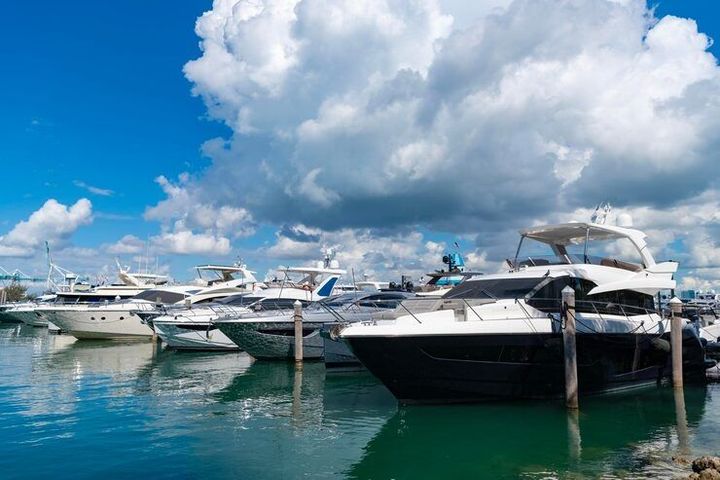
| Yacht | Extended travel and private events | Cabins and additional onboard facilities |
| Kayak or canoe | Short-distance water activities | Compact and human-powered design |
Pontoon Boats
Pontoon boats generally have a broad, stable design and substantial deck space. They are commonly used on calmer lakes and inland waterways for group outings and relaxed cruising.
Features can include seating areas, shaded sections, ladders, and storage spaces. However, the suitability of a particular pontoon boat depends on local water conditions.
Motorboats
Motorboats use an engine for propulsion and can vary significantly in size and design. Smaller models may be suitable for short trips, while larger vessels can support longer coastal journeys.
Speed, seating capacity, fuel requirements, and water conditions should be considered when comparing motorboats.
Sailboats and Catamarans
Sailboats use wind as an important source of propulsion, although many also have engines for certain situations. They can be used for recreational sailing and longer journeys.
Catamarans have two hulls, which can provide additional deck space and stability characteristics. They are commonly considered for group travel and multi-day journeys.
Destinations and Water Conditions
The destination can significantly influence the type of boat needed for a trip. Lakes and rivers often have different conditions from coastal or open-water environments.
Lakes and Rivers
Lakes and rivers may be suitable for smaller recreational vessels, depending on local conditions and regulations. Pontoon boats, kayaks, canoes, and smaller motorboats are commonly associated with these environments.
Water depth, currents, submerged objects, and changing weather conditions should still be considered.
Coastal Areas
Coastal boating can involve tides, changing winds, waves, and navigation requirements. A vessel suitable for protected inland waters may not be appropriate for more exposed coastal conditions.
Local knowledge can be particularly useful when planning routes near unfamiliar coastlines.
Island and Open-Water Destinations
Island travel may involve longer distances and changing sea conditions. Boat features such as navigation equipment, fuel capacity, sleeping areas, and emergency equipment can become more important during extended trips.
Travelers should also consider how seasonal weather patterns may affect their intended route.
Features to Consider
Boat features can influence comfort, convenience, and practical use. The most suitable features depend on the trip's duration and planned activities.
Seating and Shade
Comfortable seating can be particularly important during longer journeys. Covered areas or shade structures may also help passengers remain protected from prolonged sunlight.
Families and larger groups may need sufficient seating for all passengers rather than relying only on the vessel's maximum capacity.
Cabins and Overnight Facilities
Multi-day trips may require sleeping areas, toilets, and food preparation spaces. The layout of these facilities can differ significantly between vessels.
A boat intended for a short daytime trip may not have the same facilities as one designed for overnight travel.
Navigation and Communication Equipment
Depending on the type of boat and operating area, navigation equipment may include maps, charts, GPS systems, radios, and other communication devices.
Users should understand which equipment is available and how it is intended to be used before departing.
Swimming and Recreation Features
Some rental boats include features designed for water activities. These may include:
- Swimming platforms
- Boarding ladders
- Storage for recreational equipment
- Open deck areas
- Shaded seating
- Water activity equipment
The availability and permitted use of these features can vary by vessel and location.
Safety and Planning Factors
Safety is a central part of any boating activity. Before leaving a marina or dock, passengers and operators should understand the vessel, local conditions, and emergency procedures.
Life Jackets and Safety Equipment
Appropriately sized life jackets should be available for passengers according to applicable requirements. Other safety equipment may include communication devices, first-aid supplies, fire safety equipment, lights, and signaling equipment.
The required equipment can vary according to the boat's size, location, and operating area. A safety briefing before departure can help users understand where equipment is located and how it may be used.
Weather Awareness
Weather conditions can change rapidly on the water. Wind, waves, rain, visibility, and currents may affect navigation and passenger safety.
Checking relevant forecasts and local marine advisories is an important planning step. In Indian coastal waters, the Indian National Centre for Ocean Information Services provides advisory and forecast information designed to support small-vessel safety.
Planning a Route
A planned route can help users understand travel distances, possible stopping points, and local hazards. Important factors may include:
- Departure and return locations
- Expected travel time
- Fuel requirements
- Water depth
- Restricted areas
- Local navigation markers
- Emergency contact procedures
A route plan can be particularly important for unfamiliar waterways and longer journeys.
Recent Updates
From 2024 through 2026, digital technology has continued to influence the boat rental sector. Online platforms increasingly provide detailed information about vessel types, passenger capacity, onboard facilities, and rental arrangements.
Digital navigation systems and electronic booking processes have also become more common. At the same time, safety awareness remains an important focus, particularly regarding weather monitoring, passenger preparation, and understanding local boating regulations.
Recent guidance also places emphasis on matching the boat to the intended activity, group size, destination, and operator experience. Families traveling with children may require additional attention to life jackets, supervision, trip duration, and water conditions.
Laws or Policies
Boat rental rules vary significantly between countries and local jurisdictions. Regulations may address vessel registration, passenger limits, safety equipment, operator qualifications, navigation, and environmental protection.
Operator Requirements
Some locations require specific licenses or qualifications for people operating particular types of boats. Requirements may depend on the vessel's size, engine type, and operating area.
A captain-operated arrangement may have different responsibilities from a self-operated rental.
Local Waterway Rules
Local authorities may establish speed limits, restricted areas, navigation requirements, and rules for environmentally sensitive locations.
Users should understand the applicable requirements for the specific destination rather than assuming that rules are identical across different waterways.
Tools and Resources
Several resources can help people plan a boat rental trip and organize important information.
Marine Weather Tools
Marine weather forecasts and official local advisories can provide information about wind, waves, visibility, and other conditions. These tools should be checked before and during trips where appropriate.
Maps and Navigation Resources
Digital maps and nautical charts can help users understand waterways, distances, marinas, and geographical features. The appropriate navigation resource depends on the location and type of boating activity.
Planning Checklists
A boat trip checklist can help organize important information before departure. It may include:
- Passenger numbers
- Emergency contacts
- Weather information
- Safety equipment
- Route details
- Food and drinking water
- Communication devices
- Return arrangements
FAQs
What should I consider before choosing a boat rental?
Important factors include the number of passengers, planned activity, destination, trip duration, weather conditions, and the experience of the person operating the boat.
Which boat types are suitable for different activities?
Pontoon boats may suit relaxed group outings, fishing boats are designed around fishing activities, and sailboats or catamarans can be suitable for longer journeys. The final choice depends on local conditions and the vessel's specifications.
What safety equipment should be available on a rental boat?
Required equipment varies by location and vessel type but may include life jackets, communication equipment, first-aid supplies, lights, and other emergency equipment.
How do destinations affect boat rental planning?
A destination affects water conditions, navigation requirements, travel distances, and the type of boat that may be appropriate. Lakes, rivers, coastal areas, and open waters can present different operating conditions.
Can a beginner operate a rental boat?
This depends on local regulations, the type of vessel, and the person's experience. Some arrangements may require specific qualifications, while others may include an experienced captain or operator.
Conclusion
Boat rental provides temporary access to different types of vessels for recreation, travel, fishing, and other water-based activities. Understanding boat types, destinations, onboard features, safety procedures, and local regulations can help people better understand the planning process. Weather conditions, passenger requirements, and operator experience are also important factors. Careful preparation remains relevant for both short trips and longer journeys.