US Visa Guide: Explore Types, Eligibility, Documents, Application, and Interview Factors
A U.S. visa is a travel document issued by the U.S. Department of State that allows a foreign national to request entry to the United States for a specific purpose. A US visa guide helps explain the major visa categories, eligibility requirements, documents, application stages, and interview factors that applicants may encounter.
U.S. visas generally fall into two broad groups: nonimmigrant visas for temporary visits and immigrant visas for people seeking permanent residence. The appropriate category depends on the purpose of travel, such as tourism, business, study, temporary employment, family immigration, or another permitted activity.
The application process varies by visa category. Nonimmigrant applicants commonly use Form DS-160, while immigrant visa applicants generally use Form DS-260. The Department of State maintains separate procedures and requirements for different visa categories.
Major US Visa Categories
Nonimmigrant visas cover temporary travel and include several categories.
| Visa category | Common purpose |
|---|---|
| B-1 | Temporary business activities |
| B-2 | Tourism, visits, and certain medical travel |
| F-1 | Academic study |
| M-1 | Vocational or nonacademic study |
| J-1 | Exchange programs |
| H-1B | Certain specialty occupations |
| L-1 | Intracompany transfers |
| O-1 | Individuals with extraordinary ability |
| P | Certain athletes, artists, and entertainers |
| R-1 | Certain religious workers |
Immigrant visas are intended for individuals who qualify to immigrate permanently. Family-based and employment-based categories form important parts of the immigrant visa system.
Importance
Understanding the correct visa category matters because eligibility, documentation, forms, fees, and interview procedures depend on the purpose of travel. Applying under an unsuitable category can create complications because the applicant must establish that the intended travel matches the requirements of the selected visa.
For temporary visitors, the Department of State explains that applicants should generally apply in the country where they live. Current guidance also states that nonimmigrant applicants should schedule interviews in their country of nationality or residence, subject to designated-post rules and specific exceptions.
Who May Need a US Visa?
Many foreign nationals need a visa before traveling to the United States, although certain travelers may qualify for visa-free travel under specific programs or exemptions. The requirement depends on nationality, purpose of travel, immigration status, and other circumstances.
A visa itself does not automatically guarantee admission to the United States. Admission is determined by U.S. immigration authorities at the port of entry.
Eligibility Factors
Eligibility varies considerably by visa category. For a temporary visitor visa, an applicant may need to demonstrate a legitimate temporary purpose and satisfy the applicable requirements of U.S. immigration law.
For student, exchange, employment, and immigrant categories, applicants generally need additional evidence connected with their specific circumstances. This may include an educational institution document, employment petition, family relationship documentation, or other category-specific evidence.
Recent Updates
U.S. visa procedures continue to change as the Department of State updates application instructions, interview policies, processing arrangements, and country-specific guidance.
A significant recent change concerns where nonimmigrant visa applicants should schedule interviews. Current Department of State guidance says that, effective immediately from its July 2026 update, applicants should generally schedule nonimmigrant visa interviews in their country of nationality or residence. Applicants using another location may face additional difficulty demonstrating qualification.
Interview requirements can also vary according to visa category and individual circumstances. The Department of State states that interviews are generally required for visitor visa applicants, although limited exceptions exist and a consular officer may require an interview in an individual case.
Applicants should therefore rely on the instructions of the U.S. embassy or consulate where they apply rather than older application guides or informal checklists.
Digital Application Process
The DS-160 remains the principal online application form for most nonimmigrant visa categories. Applicants must complete the form accurately and submit it electronically before proceeding with the applicable appointment process.
The Department of State warns that inaccurate or incomplete DS-160 responses can require corrections and may affect the interview appointment. Applicants should retain the confirmation page because it is required during the application process.
Laws or Policies
U.S. visa decisions are governed by U.S. immigration and nationality laws, regulations, presidential directives where applicable, and Department of State procedures. Different visa categories have different statutory requirements, so there is no single eligibility test that applies to every applicant.
For nonimmigrant visas, applicants generally need to establish eligibility for the requested category. Depending on the visa, this can involve demonstrating the purpose of travel, qualifications for the activity, and compliance with the conditions associated with temporary admission.
Application Rules
The Department of State requires applicants to provide truthful and complete information. The DS-160 is electronically signed by the applicant, and submitting false or misleading information can have serious immigration consequences.
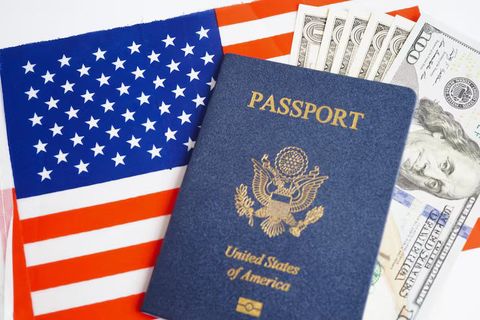
For visitor visas, the Department of State lists a passport, DS-160 confirmation page, applicable fee receipt, and photograph-related documentation among the standard materials. Additional documents may be required depending on the applicant and purpose of travel.
Immigrant visa applicants follow a different process that generally involves Form DS-260 and supporting civil documents. Applicants attending immigrant visa interviews are instructed to bring required original or certified documents, the DS-260 confirmation page, passport, photographs, and other case-specific materials.
Visa Interview Factors
A consular officer may ask questions about the applicant's travel purpose, personal circumstances, education, employment, family situation, previous travel, and other information relevant to the visa category.
Applicants should provide answers that are accurate and consistent with their application. The interview is not simply a document check; the officer evaluates the information available under the applicable immigration rules.
Tools and Resources
Several official resources can help applicants understand the U.S. visa process.
DS-160 Resources
The Department of State's DS-160 information provides instructions concerning the online form, required information, confirmation page, photographs, and corrections. Applicants can use the Consular Electronic Application Center to access the online application system.
Visa Category Information
The Department of State organizes visa information into tourism and visit, business, employment, study and exchange, immigrant, and other categories. Reviewing the relevant category before completing an application can help applicants understand which forms and supporting documents apply.
Embassy and Consulate Websites
Embassy and consulate websites provide location-specific instructions about appointments, document requirements, interview procedures, and other application details. The Department of State specifically advises applicants to consult the website of the embassy or consulate where they will apply.
Document Checklist
A basic planning checklist can include:
- Valid passport
- Appropriate visa application form
- Application confirmation page
- Required photograph
- Appointment information
- Applicable fee payment record
- Supporting documents relevant to the visa category
- Previous immigration or travel records when relevant
The exact checklist should always be confirmed against the requirements for the specific visa category and application location.
FAQs
What are the main types of US visas?
The two broad groups are nonimmigrant and immigrant visas. Nonimmigrant visas cover temporary purposes such as tourism, study, exchange programs, and certain employment activities, while immigrant visas are intended for qualifying permanent immigration.
What documents are required for a US visa application?
Documents depend on the visa category. Common nonimmigrant application materials include a passport, DS-160 confirmation page, photograph, and applicable fee receipt, while additional evidence may be requested based on the purpose of travel.
Is an interview required for a US visa?
Interviews are generally required for many visa applicants, although limited exceptions may apply. A consular officer can also require an interview when an applicant otherwise appears eligible for an exemption.
What is the DS-160 for a US visa?
The DS-160 is the online nonimmigrant visa application form used for most nonimmigrant visa categories. Applicants must provide accurate information and retain the confirmation page for the subsequent application process.
What factors are considered during a US visa interview?
The officer may consider the applicant's stated travel purpose, information in the application, qualifications for the visa category, personal circumstances, and other relevant facts. Answers should be truthful, clear, and consistent with the submitted application.
Conclusion
A U.S. visa application depends on the purpose of travel and the requirements of the applicable visa category. Applicants may need to complete an online form, provide supporting documents, pay applicable fees, and attend an interview. Requirements and procedures can change, including rules concerning where nonimmigrant applicants should schedule interviews. Official Department of State and U.S. embassy or consulate information remains the appropriate reference for current requirements.