Car dashboard cameras, commonly known as dash cams, are small recording devices installed inside vehicles to capture video of the road and surrounding environment while driving. These cameras are typically mounted on the windshield or dashboard and continuously record footage during a journey. The concept of car dashboard cameras developed as vehicles began incorporating digital recording technologies that could assist drivers in documenting road events.
The use of dashboard cameras gradually increased as drivers recognized the value of having recorded evidence during incidents such as traffic collisions or disputes. Over time, the technology expanded to include additional capabilities such as night recording, motion detection, and wider viewing angles. Modern car dashboard cameras are now integrated into many vehicles as optional accessories or built-in systems.
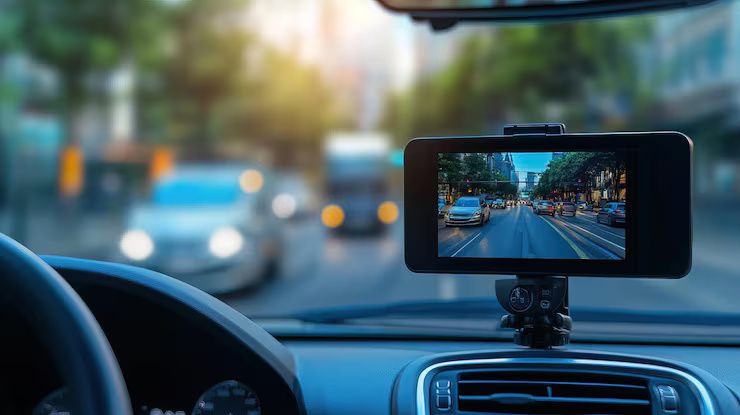
The growing presence of cameras in transportation environments reflects broader trends in digital monitoring and safety awareness. By capturing real-time footage of driving conditions, these devices contribute to documentation and situational awareness for drivers and vehicle owners.
Early Development of Vehicle Recording Technology
Vehicle recording technology originally appeared in specialized environments such as fleet vehicles and commercial transportation. Companies managing delivery vehicles or buses used cameras to document routes and incidents. As electronic components became smaller and more accessible, similar devices became available for everyday drivers.
Advances in digital storage, compact sensors, and vehicle power systems made it possible for dashboard cameras to operate continuously without large equipment. These developments helped transform the technology from a specialized tool into a widely recognized automotive accessory.
Importance
Car dashboard cameras play a practical role in documenting driving conditions and road incidents. For many drivers, recorded footage can help clarify what happened during traffic events such as accidents, sudden braking, or unusual road behavior. Video records can also support discussions with insurance providers or authorities when questions arise about an incident.
Another reason dashboard cameras have gained attention is their contribution to driver awareness. Knowing that road activity is being recorded may encourage careful driving habits and improved attention to traffic rules. In some cases, recorded footage is used to review driving behavior or understand how a specific incident occurred.
Situations Where Dashboard Cameras Are Commonly Used
Drivers may use dashboard cameras in several everyday situations:
- Accident documentation: recording events before and after a collision.
- Parking monitoring: capturing movement around the vehicle while parked.
- Road condition recording: documenting unusual traffic conditions, hazards, or weather situations.
- Travel recording: saving footage of scenic routes or long journeys.
- Driver review: examining recorded driving behavior for awareness or learning purposes.
Types of Dashboard Camera Configurations
Different configurations of car dashboard cameras are designed for different recording needs. Some systems focus only on the front view of the vehicle, while others include additional cameras.
Common configurations include:
- Front-facing cameras: record the road ahead and surrounding traffic.
- Dual-channel cameras: record both the front road view and the interior or rear view.
- Rear cameras: capture traffic behind the vehicle.
- Interior cameras: record activity inside the vehicle cabin.
Each configuration serves different documentation purposes depending on how the vehicle is used.
Recent Updates
Between 2024 and 2026, car dashboard cameras have continued to evolve with improvements in image quality, storage capacity, and integration with other vehicle technologies. These developments reflect broader advancements in digital cameras and vehicle electronics.
One trend is the use of higher-resolution sensors that produce clearer footage during daytime and nighttime driving. Improved image processing also helps reduce glare from headlights and street lighting.
Integration With Smart Devices
Many newer dashboard cameras include connectivity features that allow recorded footage to be transferred to smartphones or computers. Through mobile applications, drivers can review videos, manage storage settings, or export selected recordings for documentation purposes.
Cloud storage options have also appeared in some systems, enabling recorded footage to be stored remotely rather than only on a memory card. This approach can help preserve footage if the physical device is damaged.
Expansion of Safety-Related Features
Several modern dashboard cameras incorporate additional functions designed to assist with monitoring driving conditions. These may include:
- Motion detection: activating recording when movement is detected near a parked vehicle.
- Loop recording: automatically overwriting older footage when storage becomes full.
- GPS tagging: recording vehicle location and speed along with video footage.
- Night recording modes: adjusting exposure for low-light environments.
These features reflect the broader shift toward smarter vehicle electronics and digital monitoring tools.
Typical Feature Comparison
The following table summarizes several common features found in modern car dashboard cameras and their general purpose.
| Feature | Description | Practical Use |
|---|---|---|
| Loop recording | Automatically replaces older recordings when storage is full | Maintains continuous recording without manual deletion |
| Wide-angle lens | Captures a larger portion of the road environment | Records multiple lanes and surrounding vehicles |
| GPS tagging | Adds location and speed information to footage | Helps reconstruct travel routes or incidents |
| Motion detection | Starts recording when movement is detected | Useful for parked vehicle monitoring |
| Night recording | Enhances video visibility in low-light conditions | Improves documentation during nighttime driving |
These features illustrate how dashboard camera technology has expanded beyond simple video recording.
Laws or Policies
The use of car dashboard cameras is influenced by laws and privacy regulations that vary between countries and regions. In many places, recording public road activity from inside a vehicle is generally permitted, although specific rules may apply to audio recording or the sharing of footage.
Drivers should be aware that recording individuals without consent may raise privacy concerns depending on local legislation. Some jurisdictions require informing passengers if interior recording is taking place, particularly when audio is captured.
Road Safety and Evidence Use
In certain situations, footage from dashboard cameras may be reviewed by authorities or insurance representatives when investigating traffic incidents. However, regulations about how such footage can be used differ by region.
Some countries have guidelines about data protection and the handling of recorded video that includes identifiable individuals or license plates. These policies aim to balance road documentation with privacy considerations.
Vehicle Equipment Regulations
In many regions, devices mounted on windshields must not obstruct the driver’s view. Dashboard cameras are typically installed in positions that avoid blocking sightlines, such as behind the rearview mirror or at the upper edge of the windshield.
Understanding these regulations helps ensure that camera placement does not interfere with safe vehicle operation.
Tools and Resources
Drivers and researchers interested in dashboard camera technology often rely on various tools and information resources to understand how these devices function.
Useful resources include:
- Vehicle manuals: many modern vehicles include guidance on installing or connecting electronic accessories.
- Transportation authority websites: provide road safety guidelines and equipment regulations.
- Digital storage management tools: software used to organize and review recorded footage.
- Mapping platforms: applications that allow drivers to view routes associated with GPS-tagged recordings.
- Technical documentation: guides explaining camera specifications, resolution standards, and recording formats.
Online forums and automotive discussion platforms also provide educational discussions where drivers share experiences related to dashboard camera use and installation.
These resources help individuals learn about recording technology, storage methods, and responsible camera use while driving.
FAQs
What are car dashboard cameras used for?
Car dashboard cameras record video of the road and surrounding environment while a vehicle is in motion or parked. The footage can document traffic incidents, road conditions, and driving behavior.
Are car dashboard cameras always recording?
Many dashboard cameras operate using loop recording. This means they continuously capture video and automatically replace older recordings once storage capacity is reached.
Do car dashboard cameras record when the vehicle is parked?
Some devices include motion detection or parking monitoring modes. These features activate recording when movement is detected near the parked vehicle.
Are car dashboard cameras allowed in vehicles?
In many regions, dashboard cameras are permitted as long as they do not obstruct the driver’s view and comply with local privacy regulations. Specific rules may vary depending on the country or state.
What features are common in modern car dashboard cameras?
Common features include wide-angle lenses, loop recording, night recording modes, GPS tagging, and motion detection. These features support continuous video documentation of driving activity.
Conclusion
Car dashboard cameras are recording devices designed to document road activity and driving conditions. Over time, these cameras have evolved from simple recording tools into systems that include advanced features such as motion detection and GPS tagging. Their use reflects broader trends in digital documentation and road awareness. Understanding how dashboard cameras function, along with relevant regulations, helps drivers use these devices responsibly while maintaining attention to road safety.