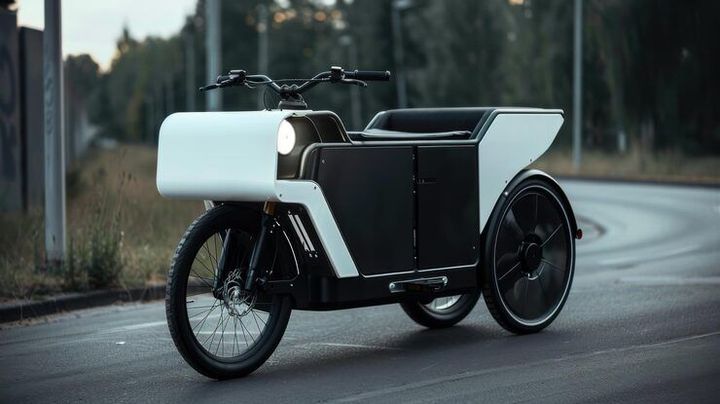
Electric cargo bikes have existed for decades, but modern electric assist technology has significantly improved their usability. Electric motors reduce physical effort, especially when carrying heavy loads or riding uphill. This makes them practical for both personal and commercial transportation.
These bikes are widely used in urban and suburban areas where flexibility and efficiency are essential. They provide a low-emission alternative to traditional vehicles and help address transportation challenges in crowded cities.
Key Components of Electric Cargo Bikes
Electric cargo bikes typically include the following features:
-
Battery-powered motor (mid-drive or hub motor)
-
Reinforced frames for stability
-
Cargo compartments or platforms
-
Pedal-assist systems with multiple power levels
These components work together to provide efficient and adaptable transportation solutions.

Why Electric Cargo Bikes Matter Today
Electric cargo bikes have become increasingly important due to rising concerns about urban congestion and environmental sustainability. They offer an energy-efficient alternative to fuel-based vehicles.
They are particularly valuable for:
-
Urban commuters seeking efficient mobility
-
Families managing daily transportation needs
-
Businesses handling last-mile deliveries
-
Cities working to reduce emissions and traffic
Key Benefits
Electric cargo bikes help address several modern challenges:
-
Reduce traffic congestion in densely populated areas
-
Lower carbon emissions compared to conventional vehicles
-
Minimize parking space requirements
-
Simplify short-distance logistics
They also improve accessibility in areas with narrow streets or restricted vehicle access.
Recent Developments and Trends in 2025
The electric cargo bike industry has seen rapid innovation in 2025. Improvements in battery technology and smart features are reshaping how these bikes are used.
Key Trends
-
Improved lithium-ion batteries for longer range
-
Smart connectivity with GPS and mobile apps
-
Modular cargo systems for flexible usage
-
Expansion of urban cycling infrastructure
Cities are also investing in dedicated cargo bike lanes and parking zones. This encourages wider adoption of sustainable transportation solutions.
Technology Advancements
Modern electric cargo bikes now include advanced features such as:
-
Real-time battery monitoring systems
-
Anti-theft tracking technology
-
Digital dashboards for performance tracking
These innovations reflect the shift toward smart mobility systems.
Regulations and Policy Considerations
Electric cargo bike regulations vary by region and are mainly focused on safety and performance. In India, rules depend on motor power and speed classification.
Common Regulatory Guidelines
-
Low-speed models may not require registration or licenses
-
High-powered models may need compliance with vehicle laws
-
Helmet usage may be mandatory in some areas
Global Policy Overview
-
Europe: Typically limited to 250W motor power and 25 km/h speed
-
United States: Classified into three categories based on speed and assistance type
Safety Standards
-
Proper lighting and reflectors
-
Reliable braking systems
-
Defined load capacity limits
Understanding these regulations ensures safe and compliant usage.
Tools and Resources for Better Understanding
Various digital tools help users optimize electric cargo bike usage and performance. These tools improve navigation, maintenance, and safety.
Useful Tools
-
Route planning apps for bike-friendly navigation
-
Battery range calculators
-
Maintenance tracking applications
-
Urban mobility dashboards
-
Cycling safety guides
Resource Categories
-
Navigation tools for safe route planning
-
Performance trackers for monitoring usage
-
Educational platforms for safety awareness
Electric Cargo Bike Types Comparison
| Type of Cargo Bike | Design Feature | Typical Usage |
|---|
| Front-loading (Bakfiets) | Cargo box in front | Family transport, goods delivery |
| Longtail | Extended rear rack | Carrying passengers or cargo |
| Compact Cargo | Smaller frame design | Urban commuting and light loads |
Basic Usage Workflow
-
Charge the battery fully before use
-
Check tire pressure and brakes
-
Select the appropriate assist level
-
Secure cargo properly
-
Follow traffic and safety rules
These practices enhance efficiency and user safety.
Frequently Asked Questions
What is an electric cargo bike used for?
Electric cargo bikes are used to transport goods, passengers, or equipment with electric assistance. They are suitable for both personal and commercial use.
How far can they travel on a single charge?
Most models can travel between 40–100 kilometers, depending on battery capacity, terrain, and load weight.
Are they environmentally friendly?
Yes, they produce significantly lower emissions compared to fuel-powered vehicles.
Do they require a license?
This depends on local regulations. Low-speed models may not require a license, while high-powered ones might.
What maintenance is required?
Maintenance includes checking brakes, tires, battery condition, and drivetrain components regularly.
Additional Insights and Practical Tips
Electric cargo bikes can be optimized through proper usage and maintenance strategies. Efficient planning improves performance and safety.
Practical Tips
-
Distribute weight evenly for better balance
-
Use lower assist levels to conserve battery
-
Avoid steep routes when carrying heavy loads
-
Perform routine inspections
Battery Performance Factors
| Factor | Impact on Battery Life |
|---|
| Heavy Load | Reduces range |
| High Assist Mode | Increases energy consumption |
| Flat Terrain | Improves efficiency |
| Frequent Stops | Uses more power |
Understanding these factors helps users extend battery life and improve efficiency.
Conclusion
Electric cargo bikes offer a modern solution to transportation challenges by combining traditional cycling with electric assistance. They provide an efficient way to carry goods while reducing environmental impact.
Their importance continues to grow with advancements in battery technology, smart features, and urban infrastructure. Regulations ensure safe usage, while digital tools enhance user experience.
As cities evolve, electric cargo bikes remain a flexible and sustainable option for both individuals and businesses.