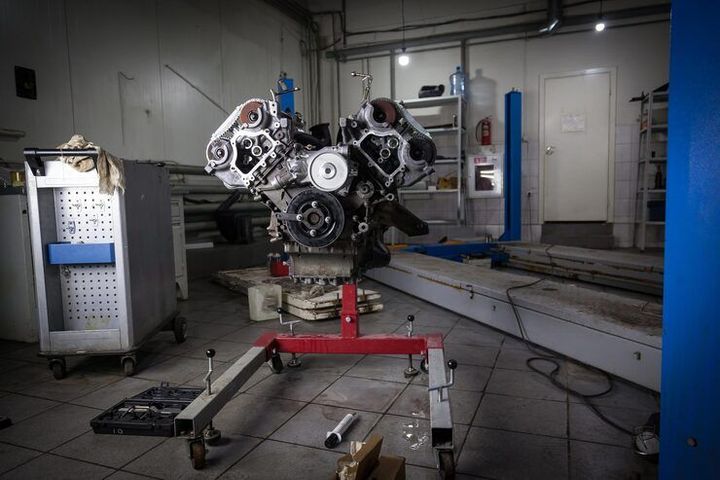
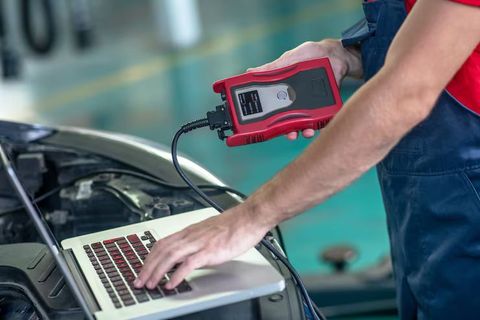
Engine test benches are specialized systems used to evaluate engine performance in a controlled environment. They allow engineers to test engines without installing them in vehicles, making the process more efficient and precise.
These systems are widely used across industries such as automotive, aerospace, marine, and industrial machinery. They support both research and development (R&D) and quality assurance processes.
Key Components of Engine Test Benches
Engine test benches consist of multiple components that work together to simulate real-world conditions. Each component plays a critical role in collecting accurate data.
Core Components
-
Dynamometers to measure power output and torque
-
Control systems for speed and load simulation
-
Sensors for temperature, pressure, and emissions
-
Data acquisition systems for real-time monitoring
-
Cooling and exhaust systems for safe operation
Types of Engine Test Benches
Different types of test benches are used depending on the testing requirement. Each type is designed for specific applications.
-
Engine dynamometer test benches
-
Chassis dynamometers
-
Hybrid and electric powertrain test benches
-
Endurance testing setups
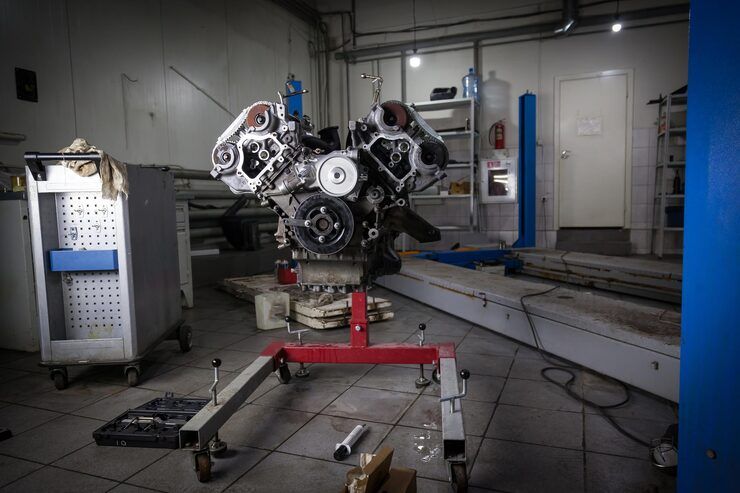
Why Engine Test Benches Matter in Modern Industries
Engine test benches play a vital role in ensuring engines meet performance, safety, and environmental standards. They help industries adapt to changing technologies and stricter regulations.
Key Benefits
-
Identify performance issues before production
-
Reduce emissions through controlled testing
-
Improve fuel efficiency and energy output
-
Enhance engine durability and lifespan
Industries That Benefit
-
Automotive manufacturing
-
Aerospace engineering
-
Power generation
-
Marine transportation
Electric vehicle development also relies heavily on advanced test benches. These systems help validate battery performance, motor efficiency, and thermal management.
Recent Trends and Developments in Engine Testing
Engine testing technology has evolved significantly in recent years, especially with digital transformation. Modern systems now integrate advanced software and automation.
Key Trends
-
Adoption of digital twin technology for simulation
-
Use of artificial intelligence (AI) for data analysis
-
Expansion of testing for electric and hybrid systems
-
Integration of cloud-based monitoring platforms
In 2025, advanced test benches can simulate real driving conditions using virtual environments. This improves accuracy and reduces testing time.
Focus on Sustainability
Modern test benches are designed to minimize energy consumption and emissions. This aligns with global efforts toward cleaner and more efficient technologies.
Regulatory Framework and Compliance Considerations
Engine testing is influenced by strict environmental and safety regulations. These rules ensure that engines meet required standards before deployment.
Regulations in India
-
Bharat Stage (BS) emission standards
-
Ministry of Road Transport and Highways guidelines
-
Central Pollution Control Board (CPCB) regulations
-
Automotive Industry Standards (AIS)
Global Standards
-
Euro emission standards (European Union)
-
Environmental Protection Agency (EPA) regulations (United States)
-
ISO standards for testing and quality management
Compliance ensures engines meet environmental goals while maintaining reliability and performance.
Tools and Resources for Engine Testing and Analysis
Engine test benches rely on various digital tools to support testing and analysis. These tools help engineers collect, process, and interpret data efficiently.
Common Tools
-
Data acquisition software for real-time monitoring
-
Simulation platforms for engine modeling
-
Calibration tools for performance optimization
-
Emissions measurement systems
-
Thermal analysis software
Popular Software
-
MATLAB and Simulink
-
LabVIEW
-
AVL and Horiba systems
-
ETAS tools
Engine Test Bench Comparison
| Test Bench Type | Application Area | Key Feature |
|---|
| Engine Dynamometer | Internal combustion engines | Measures torque and power |
| Chassis Dynamometer | Vehicle-level testing | Simulates road conditions |
| EV Powertrain Bench | Electric vehicles | Tests battery and motor |
| Endurance Test Bench | Long-term durability | Continuous operation testing |
Typical Workflow
-
Prepare engine and mount on test bench
-
Configure sensors and control systems
-
Run test cycles under different conditions
-
Collect and analyze data
-
Generate performance reports
Additional Insights and Performance Factors
Engine test benches are designed to deliver accurate and repeatable results. Precision is essential for reliable performance evaluation.
Key Performance Factors
-
Torque and horsepower measurement
-
Fuel consumption analysis
-
Thermal efficiency
-
Emissions output
-
Noise and vibration levels
Testing Priorities in Modern Engineering
| Testing Focus Area | Importance Level |
|---|
| Emissions Compliance | High |
| Fuel Efficiency | High |
| Durability | High |
| Noise Reduction | Moderate |
| Energy Optimization | High |
Automation has improved consistency and reduced manual intervention in testing processes.
Frequently Asked Questions About Engine Test Benches
What is the main function of an engine test bench?
An engine test bench evaluates engine performance, efficiency, and durability in a controlled environment.
How does a dynamometer work in engine testing?
A dynamometer measures torque and power by applying controlled resistance while the engine operates.
Are engine test benches used for electric vehicles?
Yes, modern test benches are designed to test electric powertrains, including batteries, motors, and control systems.
Why is emissions testing important?
Emissions testing ensures engines comply with environmental regulations and reduce harmful pollutants.
What industries use engine test benches?
Industries include automotive, aerospace, marine, and energy sectors.
Conclusion
Engine test benches are essential tools in modern engineering and manufacturing. They provide a controlled environment for evaluating performance and ensuring compliance with environmental standards.
With advancements in AI, digital tools, and electric vehicle technology, these systems continue to evolve. They play a crucial role in improving efficiency, reducing emissions, and enhancing reliability across industries.