Car Washing Machines Overview of Types Functions Advantages and Practical Uses
Car washing machines are automated or semi-automated systems designed to clean vehicles efficiently using water, detergents, brushes, and drying mechanisms. These machines were developed to replace manual vehicle cleaning methods, offering faster and more consistent results.
The concept of automated car washing machines developed alongside the rise in global vehicle ownership. Traditional hand washing required significant time, labor, and water, making it less efficient for modern needs.
Car washing machines are now widely used in residential complexes, fuel stations, and commercial facilities. They are designed to clean various vehicle types, including cars, trucks, and buses, with consistent results.
Key Components
Car washing machines typically include several essential components that work together for effective cleaning:
- Water spray nozzles
- Rotating brushes or touchless systems
- Detergent dispensing units
- Conveyor systems (for tunnel setups)
- Air dryers
Types of Car Washing Machines
These machines can be categorized based on their design and operation:
- Automatic tunnel systems
- Roll-over (in-bay automatic) machines
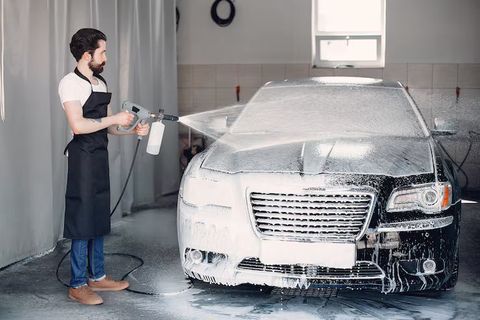
- Touchless washing systems
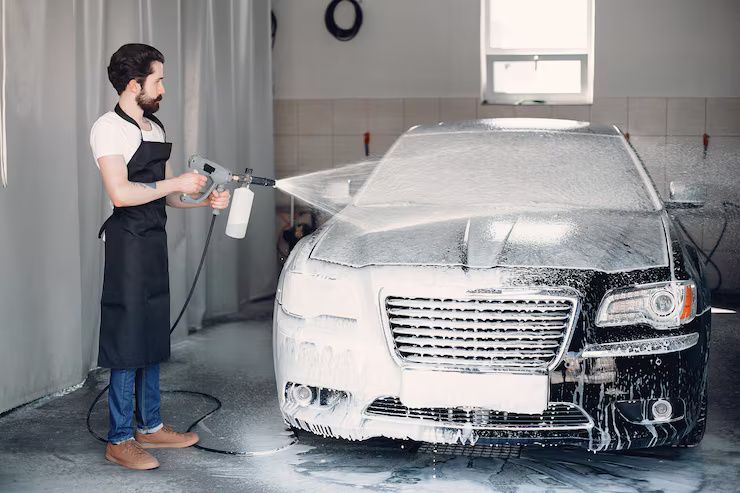
- Pressure washer-based systems
Each type is suited for different cleaning needs and space availability.
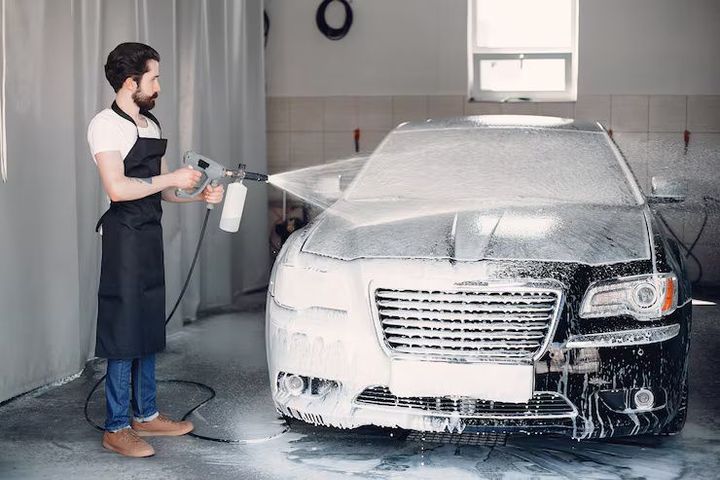
Why Car Washing Machines Matter in Modern Society
Car washing machines play a vital role in today’s transportation systems. With increasing vehicle ownership, maintaining cleanliness and vehicle condition has become more important for both individuals and businesses.
Key Reasons for Importance
- Limited time and space in urban areas
- Growing environmental concerns
- Need for standardized fleet cleaning
- Demand for fast and convenient services
Benefits of Car Washing Machines
- Time efficiency: Cleaning takes minutes instead of hours
- Water conservation: Many systems recycle and optimize water use
- Consistency: Uniform cleaning quality every time
- Labor reduction: Less manual effort required
Primary Users
- Fleet operators
- Public transportation systems
- Logistics companies
- Individual vehicle owners
Proper cleaning also helps maintain paint quality, improves visibility, and enhances overall safety.
Recent Developments and Industry Trends
The car washing machine industry has seen rapid advancements in 2024 and 2025. These changes are driven by automation, sustainability, and smart technology integration.
Key Trends
- Water recycling innovations: Systems can reuse up to 80–90% of water
- Touchless technology: Increased use of high-pressure, brush-free cleaning
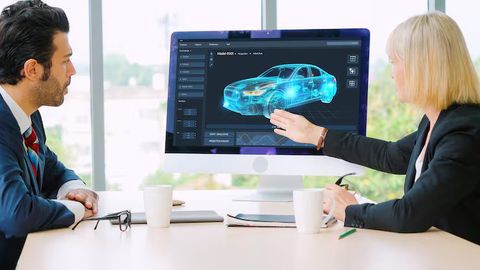
- AI-enabled automation: Sensors adjust washing based on vehicle size and dirt level
- Energy efficiency: Reduced electricity consumption in modern systems
Smart Technology Integration
IoT-based systems allow operators to:
- Monitor machine performance
- Track usage data
- Schedule maintenance
Eco-friendly detergents and compact machine designs are also gaining popularity, especially in urban areas.
Regulations and Policies
Car washing machines are subject to environmental and safety regulations in many countries, including India. These regulations aim to reduce environmental impact and ensure safe operations.
Key Regulatory Areas
- Water usage control
- Wastewater treatment requirements
- Restrictions on harmful chemicals
- Workplace safety standards
In India, pollution control boards enforce guidelines for wastewater disposal and chemical usage. Many facilities must install treatment systems to meet compliance standards.
Tools and Resources for Car Washing Technology
Modern car washing systems rely on various tools and digital solutions to improve efficiency and monitoring.
Common Tools
- Equipment monitoring dashboards
- Water usage calculators
- Maintenance scheduling software
- Industrial automation platforms
- IoT-based tracking systems
Comparison of Car Washing Machine Types
| Machine Type | Cleaning Method | Speed | Suitable Use Case |
|---|---|---|---|
| Tunnel System | Conveyor + Brushes | Very High | High-volume cleaning |
| Roll-Over System | Moving gantry | Moderate | Medium-scale operations |
| Touchless System | High-pressure jets | High | Scratch-sensitive vehicles |
| Pressure Washer | Manual/Assisted | Variable | Small-scale cleaning |
Basic Operational Workflow
- Vehicle enters the washing area
- Sensors detect dimensions
- Pre-wash removes loose dirt
- Detergent cleaning cycle begins
- Rinse cycle clears residue
- Drying system completes the process
Many systems also include diagnostics for maintenance alerts and performance tracking.
Frequently Asked Questions
What is a car washing machine?
A car washing machine is an automated system that cleans vehicles using water, cleaning agents, and mechanical or touchless methods.
What are the main types?
The main types include tunnel systems, roll-over machines, touchless systems, and pressure washer-based systems.
How do touchless systems work?
They use high-pressure water jets and specialized cleaning solutions to remove dirt without physical contact. This reduces the risk of scratches.
Are they environmentally friendly?
Many modern machines recycle water and use eco-friendly detergents, making them more sustainable than traditional washing methods.
Who uses them the most?
They are commonly used by vehicle owners, fleet operators, public transport systems, and industrial facilities.
Additional Insights and Practical Applications
Car washing machines are increasingly integrated into smart infrastructure systems. These systems can analyze usage patterns and optimize cleaning cycles for better efficiency.
Operational Priorities
| Focus Area | Importance Level |
|---|---|
| Water Efficiency | High |
| Automation | High |
| Energy Consumption | Moderate |
| Maintenance Tracking | High |
Practical Applications
- Fleet maintenance centers
- Residential apartment complexes
- Commercial parking facilities
- Transportation hubs
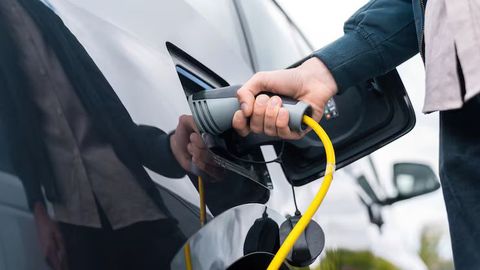
These systems are also being adapted for electric vehicles, ensuring safe and efficient cleaning processes.
Conclusion
Car washing machines have become essential for modern vehicle maintenance. They offer efficient, consistent, and environmentally responsible cleaning solutions for a wide range of users.
Advancements in automation, water recycling, and smart technology continue to improve their performance. Regulatory frameworks further ensure safe and sustainable operations.
Understanding their types, benefits, and applications helps individuals and businesses make informed decisions. As technology evolves, car washing machines will remain a key part of efficient transportation infrastructure.