Ceramic Bangles Guide: Styles, Materials, and Everyday Fashion Uses Explained
Ceramic bangles are decorative wrist accessories made from specially processed ceramic materials. These bangles combine traditional jewelry aesthetics with modern material technology, creating durable and visually appealing fashion pieces. Ceramic as a material is formed from natural minerals that are shaped and hardened through high-temperature firing processes.
Bangles have been worn across many cultures for centuries, especially in South Asia, the Middle East, and parts of Africa. Traditionally, bangles were made from glass, metal, or shell. Ceramic bangles emerged as an alternative due to their durability, smooth finish, and wide design flexibility.
The production process of ceramic bangles involves several steps. These steps ensure both durability and aesthetic appeal.
Production Process of Ceramic Bangles
- Mixing natural clay or ceramic powder with binding materials
- Molding the material into circular shapes
- Firing the molded bangles in kilns at very high temperatures
- Applying glaze or polish for color and shine
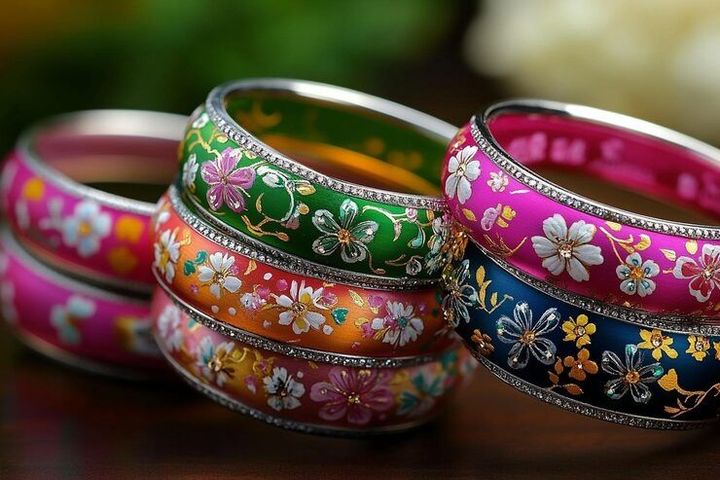
The final result is a strong, lightweight accessory that can feature various colors, patterns, and surface finishes.
Common Uses of Ceramic Bangles
Ceramic bangles are widely used across different fashion and cultural contexts. Their versatility makes them suitable for both everyday wear and special occasions.
- Everyday fashion accessories
- Cultural celebrations and traditional attire
- Jewelry collections and designer fashion pieces
- Casual and formal styling
Because ceramic materials can be polished to a smooth, glossy surface, they provide a modern aesthetic while maintaining cultural significance.
Why Ceramic Bangles Matter in Modern Fashion
Ceramic bangles remain relevant because they blend cultural tradition with modern fashion trends. Designers and fashion enthusiasts appreciate ceramic for its unique visual qualities and practical advantages.
One of the key benefits is durability. Compared with fragile glass bangles, ceramic versions are more resistant to scratches and everyday wear, making them suitable for regular use.
Key Fashion Drivers
The growing popularity of ceramic jewelry reflects several broader fashion trends:
- Interest in lightweight accessories
- Preference for non-metal jewelry materials
- Demand for minimalist and modern designs
- Increasing focus on sustainable material options
In countries like India, bangles hold strong cultural importance, especially during weddings and celebrations. Ceramic bangles provide a modern alternative while preserving this symbolic value.
Design Advantages
Ceramic materials allow designers to experiment with creative styles and finishes:
- Custom color finishes
- Smooth matte or glossy textures
- Geometric and minimalist shapes
Ceramic jewelry also appeals to individuals who prefer non-metal accessories or have sensitivities to certain metals.
Recent Developments and Fashion Trends in 2025
Recent fashion trends show a growing interest in ceramic jewelry. In 2025, sustainable materials and modern aesthetics are shaping jewelry design choices.
Design innovations and social media influence have also contributed to the popularity of ceramic bangles.
Emerging Design Trends
- Hybrid ceramic-metal combinations
- Textured ceramic surfaces
- Minimalist monochrome designs
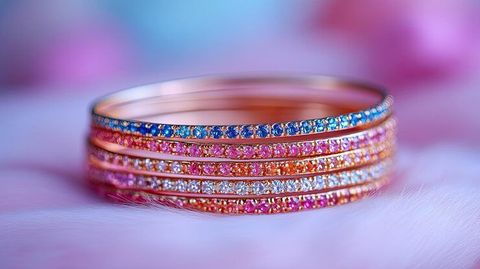
- Layered bangle styling trends
Manufacturers are also exploring advanced ceramic technologies to improve durability and color retention.
Trend Overview Table
| Trend Category | Description | Popularity Level |
|---|---|---|
| Minimalist Ceramic Bangles | Simple single-color designs with smooth finishes | High |
| Ceramic and Metal Fusion | Ceramic bands combined with metallic accents | Moderate |
| Matte Ceramic Jewelry | Non-glossy textures for modern aesthetics | Growing |
| Stacked Bangle Styling | Wearing multiple bangles together | High |
These trends highlight how ceramic bangles continue to evolve in modern fashion.
Regulations and Cultural Considerations
Ceramic bangles fall under fashion jewelry and are influenced by safety and manufacturing regulations. These regulations ensure consumer safety and product quality.
In many countries, jewelry must comply with standards that limit harmful substances and ensure safe production processes.
Key Regulatory Areas
- Restrictions on hazardous materials
- Consumer product safety standards
- Environmental guidelines for production
For example:
- The European Union REACH regulation addresses chemical use in products
- U.S. safety laws ensure accessories are free from harmful substances
- Cultural programs support traditional jewelry craftsmanship
In India, government initiatives help preserve traditional jewelry-making techniques and support artisans. Environmental regulations also guide kiln firing and glazing processes.
Helpful Tools and Resources for Jewelry and Fashion Learning
Learning about ceramic bangles and jewelry design is easier with modern digital tools. These resources support creativity, trend analysis, and material understanding.
Design and Visualization Tools
- Jewelry design software
- 3D modeling tools for prototypes
- Color palette generators
Fashion Trend Platforms
- Online fashion research platforms
- Digital inspiration boards
- Trend analysis reports
Educational Resources
- Online jewelry design tutorials
- Fashion design courses
- Cultural history websites
Material Comparison Table
| Material Type | Durability | Weight | Common Use |
|---|---|---|---|
| Ceramic | High | Light | Modern fashion bangles |
| Glass | Moderate | Light | Traditional decorative bangles |
| Metal | Very High | Moderate | Luxury jewelry pieces |
| Resin | Moderate | Light | Contemporary fashion accessories |
These tools and comparisons help users better understand jewelry materials and design possibilities.
Frequently Asked Questions
What are ceramic bangles made from?
Ceramic bangles are made from processed clay or mineral-based materials that are hardened through high-temperature firing. This process gives them strength and durability.
Are ceramic bangles durable?
Yes, ceramic bangles are generally durable and resistant to scratches. However, they may crack if subjected to strong impact.
Why are ceramic bangles popular in fashion?
They offer durability, lightweight comfort, smooth finishes, and a wide range of design options. These features make them appealing in modern fashion.
Can ceramic bangles be worn daily?
Yes, they are suitable for everyday wear due to their lightweight nature and modern design.
How do ceramic bangles differ from glass bangles?
Glass bangles are more fragile, while ceramic bangles are typically thicker and more resistant to minor wear.
Cultural and Fashion Insights
Ceramic bangles represent a blend of tradition and modern design. While bangles have deep cultural roots, ceramic materials allow them to evolve with contemporary trends.
Stylists often recommend balancing bold ceramic designs with simple outfits for a refined look.
Styling Ideas
- Pair ceramic bangles with minimalist clothing
- Wear stacked bangles for layered looks
- Combine ceramic with metal or fabric accessories
Fashion Context Table
| Fashion Context | Typical Styling Approach |
|---|---|
| Casual Wear | Single ceramic bangle with neutral outfits |
| Traditional Attire | Multiple bangles with cultural clothing |
| Modern Fashion | Minimalist monochrome ceramic designs |
| Designer Jewelry | Ceramic combined with metal elements |
These approaches highlight the versatility of ceramic bangles across different fashion settings.
Conclusion
Ceramic bangles combine traditional cultural elements with modern material innovation. Their durability, lightweight feel, and diverse designs make them a popular choice in contemporary fashion.
Recent trends in 2025 emphasize sustainability, minimalism, and creative styling. Ceramic bangles align well with these trends, offering both aesthetic and practical benefits.
Regulations and cultural initiatives also play a role in shaping their production and preservation. Overall, ceramic bangles reflect the evolving relationship between tradition, technology, and modern design.