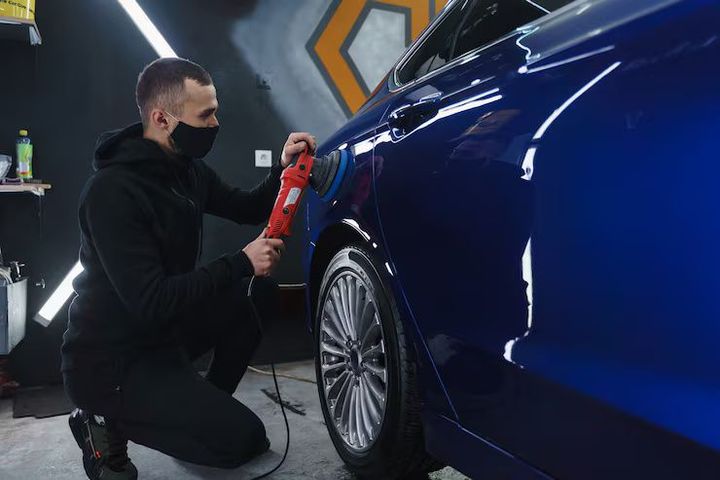
The development of ceramic coating technology is closely connected to advancements in automotive paint protection. Traditional waxes and sealants provided temporary protection and required frequent reapplication. Ceramic coatings emerged as a more durable solution designed to maintain vehicle paint for longer periods.
The coating forms a hydrophobic surface that repels water and helps prevent substances like dust, road grime, bird droppings, and pollutants from sticking to the paint. This makes maintenance easier and improves long-term appearance.
Key Characteristics of Ceramic Coatings
Ceramic coatings offer several functional and visual benefits that enhance vehicle surfaces:
-
Chemical resistance
-
Water-repelling (hydrophobic) properties
-
UV protection for paint
-
Improved surface smoothness
-
Enhanced gloss and clarity
While these coatings provide protection, they do not make vehicles completely immune to damage.
Why Ceramic Coating Matters in Modern Vehicle Maintenance
Modern vehicles face environmental challenges such as urban pollution, acid rain, UV radiation, and road salt. These factors gradually degrade paint finishes over time. Ceramic coatings help reduce the impact of these elements and preserve exterior quality.
Additionally, modern vehicles often have thinner paint layers due to environmental and manufacturing standards. This makes protective solutions like ceramic coatings more relevant than ever.
Who Benefits from Ceramic Coating?
Different groups can benefit from understanding and using ceramic coating:
-
Everyday vehicle owners maintaining appearance
-
Automotive enthusiasts focused on detailing
-
Fleet operators managing vehicle condition
-
Automotive technicians and detailing professionals
Common Paint Issues Addressed
Ceramic coatings are designed to reduce several common paint-related problems:
-
Oxidation from UV exposure
-
Water spotting from minerals
-
Staining from organic debris
-
Minor surface contamination
Long-term maintenance strategies have become more important as vehicle lifespans increase. This has contributed to the growth of the automotive detailing industry globally.
Recent Developments and Trends (2024–2025)
Ceramic coating technology continues to evolve with advancements in nanotechnology and surface chemistry. Recent innovations focus on durability, ease of use, and environmental safety.
Key Industry Trends
-
Increased use of graphene-infused coatings for better heat resistance
-
Improved nano-ceramic formulations with higher durability
-
Growth of DIY coating kits with simplified application
-
Integration of AI-based paint inspection tools
Graphene-enhanced coatings are gaining attention due to improved heat dissipation and durability. These coatings also help reduce water spotting and maintain smoother surfaces.
Environmental concerns are also shaping innovation. Manufacturers are developing low-VOC coatings to meet regulatory standards and reduce environmental impact.
Digital tools such as smartphone-based inspection systems and paint thickness gauges are becoming more common. These tools help users evaluate paint condition before applying coatings.
Regulations and Environmental Considerations
Ceramic coating products are influenced by environmental and safety regulations. These rules focus primarily on chemical composition and emissions.
Key Regulatory Frameworks
-
Environmental Protection Agency (EPA) air quality standards (USA)
-
European Union VOC Directive
-
REACH chemical safety regulations
-
Local environmental compliance laws
These regulations limit volatile organic compounds (VOCs), which contribute to air pollution and affect indoor air quality during application.
Workplace safety guidelines also apply in detailing environments. Proper ventilation and protective equipment are essential for safe handling of coating materials.
Useful Tools and Digital Resources
Various tools help users understand and apply ceramic coatings effectively. These tools support inspection, application, and maintenance processes.
Common Tools for Ceramic Coating
-
Paint thickness gauges
-
Surface inspection lights
-
Automotive detailing mobile apps
-
Digital gloss meters
-
pH-balanced cleaning guides
Educational platforms, forums, and manufacturer documentation also provide guidance on application techniques and maintenance practices.
Comparison of Paint Protection Methods
| Protection Method | Durability Range | Water Repellency | Maintenance Frequency |
|---|
| Car Wax | Short-term | Moderate | Frequent |
| Paint Sealant | Medium-term | Good | Periodic |
| Ceramic Coating | Long-term | High | Occasional |
Paint Condition Assessment Tools
| Tool Type | Purpose | Common Use |
|---|
| Paint Thickness Gauge | Measures paint depth | Prevent over-polishing |
| Inspection Light | Detects swirl marks | Surface analysis |
| Gloss Meter | Measures reflectivity | Finish evaluation |
Frequently Asked Questions
What is ceramic coating made of?
Ceramic coatings typically contain silica dioxide (SiO₂) or similar nanotechnology-based compounds. These materials bond with vehicle paint to form a protective layer.
Does ceramic coating prevent scratches?
Ceramic coatings can reduce minor swirl marks and surface abrasion. However, they do not make a vehicle completely scratch-proof.
How long does ceramic coating last?
Durability depends on environmental conditions, maintenance, and product formulation. Some coatings are designed to last several years.
Is ceramic coating only for new vehicles?
Ceramic coatings can be applied to both new and used vehicles. Proper surface preparation may be required for optimal results.
Does ceramic coating eliminate washing?
No, regular washing is still necessary. However, the hydrophobic properties make cleaning easier by allowing dirt and water to slide off more efficiently.
Understanding the Science Behind Ceramic Coatings
Ceramic coatings use nanotechnology to create a tightly bonded protective layer on the vehicle surface. The coating fills microscopic pores in the paint, forming a hardened shell once cured.
The hydrophobic effect causes water to bead on the surface rather than spread out. This reduces water spots and helps remove dirt more easily during washing or rainfall.
Performance Factors
| Performance Factor | Impact on Vehicle Paint |
|---|
| UV Resistance | Reduces oxidation and fading |
| Hydrophobic Effect | Repels water and contaminants |
| Chemical Resistance | Protects against acidic debris |
| Surface Hardness | Helps resist minor abrasions |
These features explain why ceramic coatings are widely used in automotive detailing and maintenance.
Conclusion
Ceramic coating represents a significant advancement in automotive paint protection. Developed through nanotechnology, it provides a durable layer that helps shield vehicles from environmental exposure.
As environmental challenges such as pollution, UV radiation, and contaminants increase, protective solutions have become more important. Ceramic coatings offer a practical approach to maintaining vehicle appearance and reducing long-term maintenance needs.
Ongoing developments in graphene coatings, eco-friendly formulas, and digital inspection tools show that this field continues to evolve. Understanding ceramic coating helps vehicle owners make informed decisions about maintaining their vehicle’s exterior.