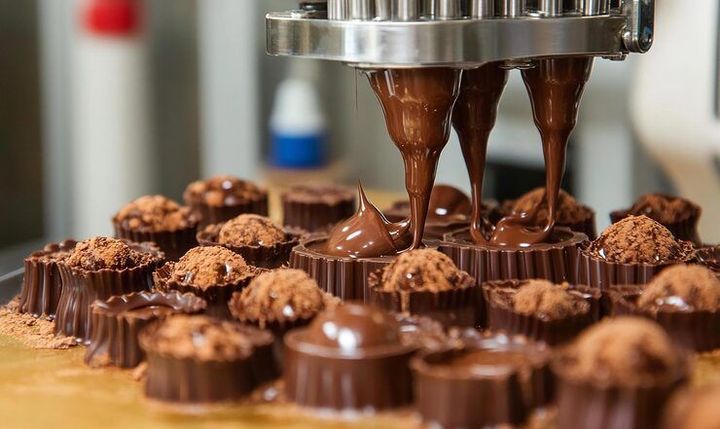
Chocolate Coating Machines: Expert Guide to Modern Production
Chocolate products have become one of the most popular treats across the world. From biscuits and wafers to nuts, candies, and snack bars, consumers expect every product to have a smooth and consistent chocolate layer. This demand has encouraged manufacturers to adopt advanced chocolate coating machines that deliver precision, speed, and reliable results.
Modern food production depends heavily on automation and industrial food processing machinery. Chocolate coating technology helps manufacturers improve productivity while maintaining product quality. As global demand for premium confectionery products continues to grow, advanced coating systems are becoming an essential part of modern manufacturing facilities.
Understanding Chocolate Coating Machines
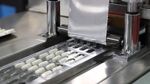
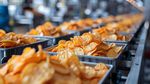
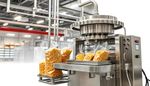
Chocolate coating machines are specialized pieces of equipment designed to apply a uniform layer of chocolate to different food products. The process is commonly known as chocolate enrobing, where products move through a conveyor system while melted chocolate flows evenly around them.
These machines can coat a wide range of products, including:
Biscuits and cookies
Many bakery products receive a thin or thick chocolate coating to improve taste and appearance.
Nuts and dried fruits
Chocolate-coated almonds, raisins, and mixed nuts remain popular in many international markets.
Energy bars and snack products
Health-focused snacks often use chocolate coatings to enhance flavor while maintaining product stability.
Confectionery items
Candies, marshmallows, wafers, and caramel products frequently rely on automated chocolate coating systems.
How Modern Chocolate Coating Machines Work
The production process follows several important stages that ensure high-quality results.
Chocolate preparation
Chocolate is melted and maintained at a carefully controlled temperature. Proper temperature management helps preserve texture and shine.
Product feeding
Products move onto a conveyor belt at a steady speed, ensuring that each item receives an equal amount of coating.
Enrobing process
A curtain of liquid chocolate flows over the product while additional chocolate may coat the bottom through a separate mechanism.
Air control and finishing
Powerful air blowers remove excess chocolate and create the desired coating thickness.
Cooling stage
After coating, products enter a cooling tunnel where the chocolate hardens and develops a glossy finish.
This automated workflow supports greater production efficiency while reducing material waste.
Benefits of Advanced Chocolate Coating Technology
Food manufacturers increasingly invest in modern confectionery production technology because of its many advantages.
Improved consistency
Automated systems provide uniform chocolate coverage, helping manufacturers meet strict quality standards.
Higher production efficiency
Industrial coating technology can process thousands of products every hour, supporting large-scale operations.
Reduced product waste
Precise coating control minimizes chocolate loss and improves ingredient management.
Better food safety
Modern equipment often uses stainless steel construction and hygienic designs that simplify cleaning and support food safety requirements.
Flexible production
Many automated chocolate coating systems can handle different product sizes and shapes with minimal adjustments.
The Growing Role of Automation in Food Manufacturing
Automation is transforming the global food processing industry. Smart sensors and digital controls allow operators to monitor temperatures, conveyor speeds, and chocolate flow rates in real time.
Many modern chocolate processing equipment solutions now include programmable settings that help maintain consistent production batches. These technologies reduce human error and improve operational reliability.
Industry analysts estimate that food manufacturing automation will continue expanding as companies focus on productivity, quality assurance, and sustainable production practices.
Key Features to Consider in Modern Equipment
Selecting suitable chocolate coating machinery often depends on production goals and operational requirements.
Temperature control systems
Stable chocolate temperatures help maintain the correct texture and appearance.
Adjustable conveyor speeds
Flexible speed settings allow different products to move through the production line efficiently.
Precision coating controls
Advanced nozzles and flow systems help achieve accurate coating thickness.
Easy cleaning design
Smooth surfaces and accessible components simplify maintenance and reduce downtime.
Energy-efficient operation
Modern machinery often includes technologies that reduce power consumption and improve environmental performance.
These features support long-term operational stability and efficient food manufacturing processes.
Sustainability and Energy Efficiency
Sustainability has become an important focus across the food industry. Manufacturers are adopting equipment that reduces energy usage and minimizes production waste.
Modern chocolate coating machines often include insulated heating systems and optimized cooling tunnels that help conserve energy. Improved chocolate circulation systems also reduce ingredient waste during production cycles.
These developments support environmental goals while improving manufacturing performance.
Industry Trends Shaping the Future
Several emerging trends are influencing the future of chocolate coating technology.
Smart manufacturing
Digital monitoring systems provide production data that helps improve efficiency and quality control.
Artificial intelligence integration
AI-driven process optimization can automatically adjust production settings for better consistency.
Custom product development
Flexible machinery supports unique coating patterns and specialty confectionery products.
Sustainable production methods
Manufacturers are investing in eco-friendly technologies that reduce emissions and resource consumption.
As consumer preferences evolve, advanced industrial food processing machinery will continue adapting to changing market demands.
Practical Tips for Maintaining Performance
Regular maintenance helps extend equipment life and maintain product quality.
Perform routine cleaning
Chocolate residue should be removed after production to prevent contamination.
Inspect moving components
Conveyor belts, pumps, and motors should be checked regularly for wear.
Monitor temperature accuracy
Calibration helps ensure proper chocolate consistency.
Train production teams
Well-trained operators can identify potential issues before they affect production.
Preventive maintenance supports reliable operation and reduces unexpected interruptions.
Final Thoughts
Chocolate coating machines play a vital role in modern food manufacturing. They combine automation, precision engineering, and advanced process control to create high-quality confectionery products with consistent results.
As food manufacturing automation continues to develop, businesses are focusing on smarter, more sustainable production methods. Modern chocolate processing equipment helps improve efficiency, reduce waste, and support strict quality standards.