Clinical Laboratory Automation: Smart Systems and Modern Workflow Insights
Clinical laboratory automation is transforming modern diagnostics by improving workflow speed, accuracy, and data management. This guide explains how smart systems are reshaping laboratory operations.
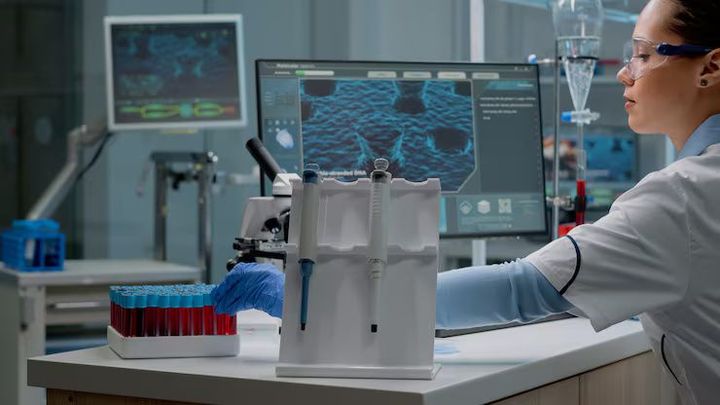
Clinical laboratory automation refers to the use of advanced laboratory systems, robotic handling, artificial intelligence, and digital workflow tools to improve testing processes. These systems help laboratories process samples with less manual intervention while improving speed and consistency.
Traditionally, laboratory professionals handled sample sorting, labeling, testing, and reporting manually. As diagnostic demand increased due to population growth, chronic diseases, and preventive healthcare, laboratories needed smarter ways to manage higher workloads.
Automation exists to solve workflow bottlenecks. Smart laboratory systems reduce repetitive manual tasks and allow professionals to focus on quality control, analysis, and complex diagnostics.
High-value technologies commonly used in modern laboratory automation include:
- Laboratory Information Management Systems (LIMS)
- AI-powered diagnostic analytics
- Automated sample tracking
- Robotic liquid handling systems
- Barcode scanning and digital labeling
- Cloud-based laboratory data management
Laboratory Workflow Comparison
| Workflow Area | Manual Process | Automated Process |
|---|---|---|
| Sample Sorting | Time-consuming | Fast barcode routing |
| Data Entry | Human input | Automatic synchronization |
| Error Detection | Manual review | AI-based alerts |
| Reporting | Delayed | Real-time reporting |
Why Laboratory Automation Matters Today
Healthcare systems increasingly depend on accurate and fast diagnostic data. Clinical laboratory automation improves operational efficiency while supporting better decision-making.
This matters to:
- Hospitals and diagnostic centers
- Pathology laboratories
- Research institutions
- Healthcare administrators
- Patients needing timely results
Automation addresses several major challenges.
Reducing Human Error
Manual data entry can create reporting mistakes, sample mislabeling, or result mismatches. Smart systems improve data validation and tracking.
Improving Turnaround Time
Automated analyzers process high sample volumes quickly, which helps during disease outbreaks or large-scale health screenings.
Supporting Data Security
Modern laboratory software includes digital access controls, encrypted storage, and audit tracking to improve compliance and data protection.
Better Resource Management
Automation helps laboratories manage workload distribution, equipment usage, and maintenance scheduling more efficiently.
Recent Updates in Laboratory Automation
Clinical laboratory technology has evolved rapidly in the past year.
AI Integration in Diagnostics (2025–2026)
Artificial intelligence is increasingly used for image analysis, anomaly detection, and predictive diagnostics. AI-assisted pathology workflows are becoming more common in advanced labs.
Expansion of Digital Pathology
Digital pathology adoption increased in 2025, allowing pathology slides to be scanned and analyzed digitally. This supports remote collaboration and advanced pattern recognition.
Cloud-Based Laboratory Systems
Cloud infrastructure is becoming more common for secure laboratory data sharing and workflow visibility across multiple locations.
Smart Predictive Maintenance
Many automated analyzers now use predictive maintenance systems that monitor machine performance and reduce downtime.
Market Trend Snapshot
| Technology | Adoption Trend 2026 |
|---|---|
| AI Diagnostics | High Growth |
| Digital Pathology | Rising |
| Cloud Lab Software | Strong Growth |
| Smart Robotics | Expanding |
Laws and Regulatory Framework
Clinical laboratory automation operates under strict healthcare regulations because laboratories handle sensitive medical data and diagnostic outcomes.
Data Protection Rules
Countries enforce privacy regulations for laboratory records. Patient data must remain secure and confidential.
Examples include regulations related to:
- Health data privacy
- Electronic records security
- Data access control
- Audit trail management
Quality Compliance Standards
Laboratories must follow accreditation and quality assurance standards to ensure test accuracy.
Key compliance areas include:
- Equipment calibration
- Validation protocols
- Documentation standards
- Internal quality audits
Government Digital Health Programs
Many governments are investing in digital healthcare transformation. These programs encourage adoption of interoperable health information systems, including laboratory data integration.
Tools and Resources for Smart Laboratory Workflow
Several digital resources help improve laboratory efficiency and workflow visibility.
Workflow Management Tools
These platforms help track sample movement, test progress, and reporting timelines.
Laboratory Analytics Dashboards
Dashboards provide real-time performance insights such as sample volume, turnaround time, and error rates.
Maintenance Scheduling Templates
Preventive maintenance planning improves equipment reliability and workflow continuity.
Useful resource categories include:
- Workflow templates
- Compliance checklists
- Diagnostic analytics dashboards
- Equipment monitoring tools
- Training modules
Smart Lab Workflow Example
Sample Collection → Barcode Labeling → Automated Sorting → Analyzer Processing → AI Validation → Digital Reporting
This workflow reduces delays and improves consistency.
Frequently Asked Questions
What is clinical laboratory automation?
Clinical laboratory automation uses robotics, software, and smart systems to improve sample testing, data management, and workflow efficiency.
Does automation replace laboratory professionals?
No. Automation reduces repetitive tasks, but skilled professionals remain essential for interpretation, validation, and quality control.
What technologies are used in automated labs?
Common technologies include AI diagnostics, barcode tracking, robotic analyzers, cloud data systems, and workflow software.
Why is automation important in diagnostics?
It improves speed, accuracy, data security, and laboratory productivity while reducing manual errors.
Can small laboratories use automation?
Yes. Automation can range from simple digital workflow tools to advanced integrated laboratory systems depending on operational scale.
Conclusion
Clinical laboratory automation is reshaping modern diagnostics through smart workflow optimization, AI-driven analytics, and digital data management. As healthcare systems handle growing diagnostic demands, automation helps laboratories improve efficiency, accuracy, and workflow visibility. With continued innovation in robotics, cloud systems, and predictive analytics, laboratory operations will become increasingly intelligent and connected.