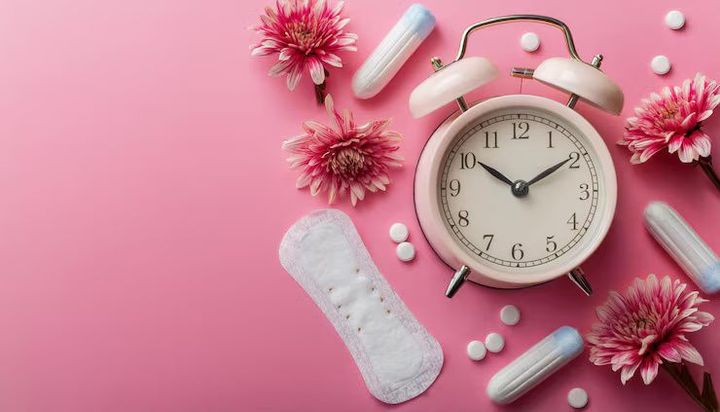
Menstrual Health & Hygiene: Essential Guide & Everyday Tips
Menstrual health and hygiene are important parts of overall well-being. A healthy menstrual cycle is often a sign that the body is functioning normally, while good hygiene habits help reduce discomfort and lower the risk of infections. Across the world, more people are paying attention to menstrual wellness, reproductive health education, and safe hygiene practices.
Despite growing awareness, many myths and misunderstandings still exist. Learning about periods and proper menstrual care helps individuals make informed decisions and feel more confident during every stage of the menstrual cycle.
Understanding the Menstrual Cycle
What Happens During a Period
The menstrual cycle is a natural biological process that prepares the body for pregnancy. If pregnancy does not occur, the lining of the uterus sheds, resulting in menstrual bleeding.
A typical cycle lasts between 21 and 35 days, while menstrual bleeding usually continues for three to seven days. Every person's cycle can be slightly different, and small variations are often normal.
Common Menstrual Symptoms
Many people experience physical and emotional changes before or during their periods. Common symptoms include:
- Mild abdominal cramps
- Fatigue
- Mood changes
- Bloating
- Headaches
- Breast tenderness
Tracking these symptoms can help identify patterns and support better menstrual cycle management.
Why Menstrual Hygiene Matters
Good menstrual hygiene protects reproductive health and helps prevent bacterial growth and skin irritation. It also supports comfort, confidence, and daily productivity.
Maintaining proper hygiene includes:
- Changing menstrual products regularly
- Washing hands before and after handling hygiene products
- Cleaning the intimate area with water and mild products
- Wearing clean and breathable underwear
Health experts emphasize that poor menstrual hygiene practices can increase the risk of infections and discomfort.
Choosing the Right Menstrual Products
Sanitary Pads
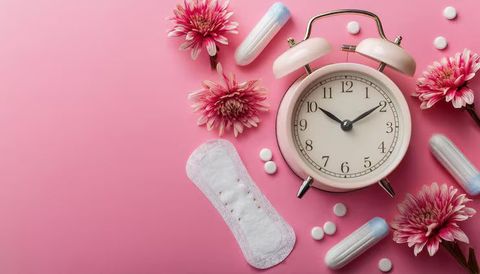
Sanitary pads are one of the most widely used menstrual hygiene products. They are simple to use and available in different absorbency levels for light and heavy flow days.
Tampons
Tampons are worn internally and allow greater freedom during physical activities. They should be changed every four to eight hours according to the product instructions.
Menstrual Cups
Menstrual cups are reusable products designed to collect menstrual flow. They are becoming increasingly popular because they reduce waste and can be used for several years with proper care.
Period Underwear
Period underwear offers another practical option for light or moderate flow. Many people use them alone or as additional protection alongside other menstrual products.
The best menstrual product depends on individual comfort, lifestyle, and personal preference.
Everyday Menstrual Hygiene Tips
Change Products Regularly
Changing sanitary products on time helps maintain cleanliness and reduces unpleasant odors and irritation.
Stay Hydrated
Drinking enough water may help reduce bloating and support overall body function during menstruation.
Eat a Balanced Diet
Nutrition plays an important role in menstrual wellness. Foods rich in iron, calcium, magnesium, and vitamins can help replenish nutrients lost during menstruation.
Healthy choices include:
- Leafy green vegetables
- Fruits
- Whole grains
- Lean protein
- Nuts and seeds
Get Regular Exercise
Light physical activity such as walking, stretching, or yoga may help reduce menstrual cramps and improve mood.
Prioritize Rest
Getting enough sleep allows the body to recover and may reduce feelings of fatigue commonly experienced during a period.
Menstrual Health and Mental Well-Being
Hormonal changes can influence emotions and energy levels. Feeling more sensitive, anxious, or irritable before menstruation is common for many individuals.
Simple self-care habits can support emotional wellness:
- Practice relaxation techniques
- Keep a regular sleep schedule
- Stay physically active
- Talk openly with trusted family members or healthcare professionals
Keeping a menstrual diary can also help track emotional patterns and identify changes over time.
Common Menstrual Problems
While many menstrual symptoms are normal, some situations may require medical attention.
Possible concerns include:
- Extremely heavy bleeding
- Severe pain that affects daily life
- Periods lasting longer than seven days
- Very irregular cycles
- Missing periods without pregnancy
Early awareness and professional guidance can help manage these issues effectively and protect long-term reproductive health.
Global Trends in Menstrual Health Awareness
Menstrual health education has become a growing public health priority. Schools, healthcare organizations, and community programs are working to improve awareness and reduce stigma.
Recent studies suggest that millions of people still face challenges related to menstrual education and access to proper hygiene resources. As conversations around women's health and reproductive wellness continue to expand, greater emphasis is being placed on education, sustainability, and healthy lifestyle practices.
Digital health applications for menstrual cycle tracking are also becoming more common, helping users monitor symptoms, predict periods, and better understand their reproductive health.
Building Healthy Menstrual Habits
Creating simple daily routines can make periods easier to manage. Consistent hygiene, balanced nutrition, hydration, exercise, and stress management all contribute to better menstrual health.
It is also helpful to keep essential menstrual supplies available, especially while traveling, working, or attending school. Being prepared reduces stress and supports confidence during the menstrual cycle.