Clinical Technology: Complete Guide to Modern Healthcare Systems and Innovations
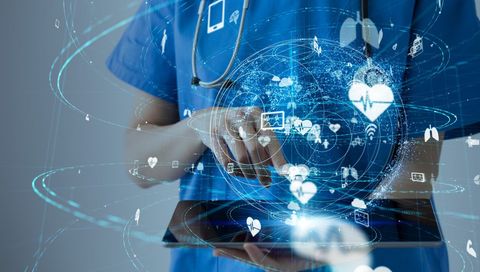
Clinical technology has transformed modern healthcare.
It combines advanced medical devices, digital systems, and intelligent tools to improve patient care, diagnostics, treatment, and healthcare management.
Healthcare providers rely on clinical technology to support accurate decision-making and improve clinical workflows. These technologies continue to evolve with advancements in artificial intelligence, connected medical devices, data analytics, and digital health platforms.
Quick Answer: What Is Clinical Technology?
- Clinical technology refers to medical technologies used in healthcare settings.
- It supports diagnosis, treatment, monitoring, and patient management.
- Clinical technology includes medical devices, imaging systems, monitoring equipment, and digital healthcare platforms.
- Modern systems improve clinical accuracy and workflow efficiency.
- Many technologies integrate with hospital information systems.
- Artificial intelligence and automation continue to enhance healthcare delivery.
- Regular maintenance and regulatory compliance help ensure safe operation.
What Is Clinical Technology?
Clinical technology includes the equipment, systems, and digital solutions used to support healthcare professionals during patient care.
These technologies assist in diagnosing diseases, monitoring patient health, performing medical procedures, and managing healthcare information.
Clinical technology combines engineering, information technology, medical science, and healthcare practices to improve patient outcomes and operational efficiency.
Why Is Clinical Technology Important?
Modern healthcare depends on reliable technology.
Clinical technology helps healthcare providers:
- Improve diagnostic accuracy
- Monitor patient conditions continuously
- Support informed clinical decisions
- Enhance patient safety
- Improve workflow efficiency
- Reduce manual processes
- Strengthen healthcare communication
- Support evidence-based medicine
These benefits contribute to higher-quality healthcare delivery.
How Does Clinical Technology Work?
Clinical technology connects medical devices, healthcare professionals, and digital information systems.
Step 1: Medical Devices Collect Patient Data
Medical equipment records important health information.
Examples include:
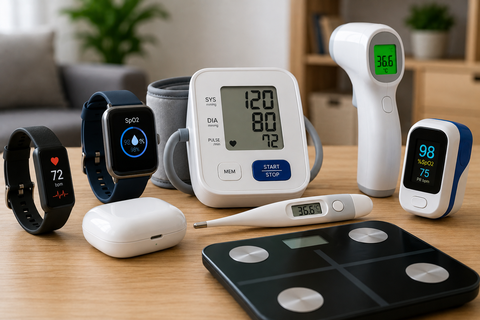
- Heart rate
- Blood pressure
- Oxygen saturation
- Body temperature
- Laboratory results
- Medical images
Step 2: Clinical Systems Process Information
Healthcare software organizes and analyzes collected data.
Information becomes available for healthcare professionals.
Step 3: Healthcare Professionals Review Results
Doctors, nurses, and specialists evaluate patient information.
Clinical decisions are based on accurate medical evidence.
Step 4: Treatment and Monitoring Continue
Technology supports continuous patient monitoring.
Healthcare teams can observe patient progress over time.
What Are the Main Components of Clinical Technology?
Medical Imaging Systems
Imaging technology helps visualize internal body structures.
Common systems include:
- X-ray imaging
- Magnetic Resonance Imaging (MRI)
- Computed Tomography (CT)
- Ultrasound imaging
- Nuclear medicine imaging
These technologies support diagnosis and treatment planning.
Patient Monitoring Systems
Patient monitors continuously measure vital signs.
Common monitoring functions include:
- Heart rate
- Blood pressure
- Respiratory rate
- Oxygen levels
- Cardiac activity
Continuous monitoring supports timely clinical intervention.
Laboratory Diagnostic Equipment
Laboratory technologies analyze biological samples.
Examples include:
- Blood analyzers
- Microbiology instruments
- Molecular diagnostic systems
- Immunoassay analyzers
- Clinical chemistry analyzers
These systems help identify medical conditions.
Electronic Health Records (EHR)
Electronic Health Records organize patient medical information digitally.
Healthcare professionals can securely access:
- Medical history
- Clinical notes
- Laboratory reports
- Imaging results
- Treatment records
Digital records improve information sharing across healthcare teams.
Clinical Decision Support Systems
Clinical decision support tools assist healthcare professionals by analyzing patient information and presenting evidence-based recommendations.
These systems improve consistency during clinical evaluation.
Medical Communication Systems
Healthcare communication platforms support collaboration between departments.
They help coordinate:
- Patient referrals
- Clinical consultations
- Diagnostic reporting
- Care planning
What Types of Clinical Technology Are Used in Healthcare?
Diagnostic Technology
Diagnostic technologies help identify diseases and medical conditions.
Examples include:
- Medical imaging
- Laboratory testing
- Genetic analysis
- Pathology systems
Therapeutic Technology
Therapeutic technologies assist during treatment.
Examples include:
- Infusion systems
- Radiation therapy equipment
- Surgical technology
- Rehabilitation devices
Monitoring Technology
Monitoring technologies continuously evaluate patient health.
Common applications include:
- Intensive care monitoring
- Remote patient monitoring
- Cardiac monitoring
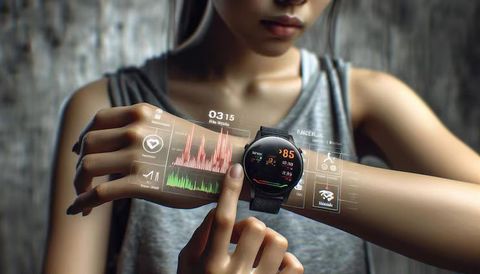
- Wearable medical devices
Digital Healthcare Technology
Digital technologies improve information management.
Examples include:
- Electronic Health Records
- Telehealth platforms
- Clinical analytics
- Mobile health applications
How Does Artificial Intelligence Improve Clinical Technology?
Artificial intelligence supports healthcare professionals through advanced data analysis.
AI applications include:
- Medical image interpretation
- Predictive analytics
- Clinical decision support
- Workflow automation
- Pattern recognition
- Risk assessment
These technologies assist healthcare professionals rather than replace clinical expertise.
How Does Clinical Technology Improve Patient Safety?
Patient safety remains a major healthcare priority.
Clinical technology helps by:
- Monitoring patient conditions continuously
- Reducing documentation errors
- Supporting medication verification
- Improving diagnostic accuracy
- Enhancing communication
- Standardizing clinical processes
Technology supports safer healthcare environments.
Where Is Clinical Technology Used?
Clinical technology supports many healthcare environments.
Examples include:
- Hospitals
- Clinics
- Emergency departments
- Intensive care units
- Operating rooms
- Diagnostic laboratories
- Rehabilitation centers
- Outpatient facilities
- Specialty healthcare centers
- Medical research institutions
Each environment uses technologies designed for specific clinical needs.
How Is Clinical Technology Managed?
Healthcare organizations maintain technology throughout its operational life.
Management activities include:
- Equipment planning
- Installation
- Performance testing
- Preventive maintenance
- Software updates
- Safety inspections
- Regulatory documentation
Proper management supports reliable healthcare delivery.
What Challenges Affect Clinical Technology?
Healthcare technology faces several challenges.
These include:
- System interoperability
- Data security
- Cybersecurity risks
- Equipment maintenance
- Staff training
- Regulatory compliance
- Technology integration
- Rapid innovation
Organizations continually improve these areas.
What Innovations Are Shaping Clinical Technology?
Healthcare technology continues to advance rapidly.
Important innovations include:
- Artificial Intelligence
- Machine Learning
- Remote Patient Monitoring
- Internet of Medical Things (IoMT)
- Robotic-assisted procedures
- Digital diagnostics
- Cloud healthcare platforms
- Predictive analytics
- Wearable health technologies
- Advanced clinical automation
These innovations continue to modernize healthcare delivery.
What Standards Support Clinical Technology?
Clinical technologies follow recognized healthcare regulations and international standards.
These standards address:
- Patient safety
- Equipment performance
- Clinical quality
- Information security
- Risk management
- Device maintenance
- Regulatory compliance
Healthcare organizations follow applicable regional requirements.
Frequently Asked Questions
What is the purpose of clinical technology?
Clinical technology supports diagnosis, treatment, monitoring, and healthcare management.
How does clinical technology improve healthcare?
It improves diagnostic accuracy, patient monitoring, workflow efficiency, and clinical decision-making.
What industries use clinical technology?
Clinical technology is primarily used across hospitals, clinics, laboratories, research institutions, rehabilitation centers, and specialized healthcare facilities.
Why is maintenance important?
Routine maintenance helps maintain equipment accuracy, reliability, and patient safety.
What role does artificial intelligence play?
Artificial intelligence supports image analysis, clinical decision support, predictive analytics, and healthcare automation.
Key Takeaways
Clinical Technology Summary
- Clinical technology supports modern healthcare through advanced medical systems.
- Medical imaging, monitoring devices, and laboratory equipment improve diagnosis.
- Digital healthcare platforms improve information management.
- Artificial intelligence enhances clinical decision-making.
- Continuous monitoring strengthens patient safety.
- Healthcare organizations maintain technology through regular inspections and updates.
- Modern innovations continue improving healthcare quality and operational efficiency.
- Clinical technology remains a foundation of advanced healthcare systems.
Disclaimer
The information provided in this article is for informational purposes only. We do not make any claims or guarantees regarding the accuracy, reliability, or completeness of the information presented. The content is not intended as professional advice and should not be relied upon as such. Readers are encouraged to conduct their own research and consult with appropriate professionals before making any decisions based on the information provided in this article.