Eco-Friendly Beauty Products: Complete Guide to Sustainable Skincare and Personal Care Choices
The beauty industry is changing as more people look for products that support both personal care and environmental responsibility.
From skincare and haircare to cosmetics and body care, many brands are introducing alternatives that focus on responsibly sourced ingredients, recyclable packaging, and environmentally conscious manufacturing practices. These developments have made Eco-Friendly Beauty Products an important part of modern beauty routines.
Understanding what makes a beauty product environmentally friendly can help consumers make informed choices. This guide explores the features, ingredients, benefits, certifications, and future trends shaping sustainable beauty.
What Are Eco-Friendly Beauty Products?
Eco-Friendly Beauty Products are skincare, haircare, cosmetic, and personal care items developed with environmental responsibility in mind. They are designed to reduce waste, minimize environmental impact, and encourage the responsible use of natural resources throughout the product lifecycle.
Many products focus on biodegradable ingredients, recyclable packaging, responsibly sourced raw materials, and manufacturing practices that aim to reduce emissions and resource consumption.
Although every product is different, the overall goal is to create beauty solutions that balance personal care with environmental awareness.
Why Eco-Friendly Beauty Products Matter
Traditional beauty products often involve complex packaging, synthetic ingredients, and manufacturing processes that may generate significant waste. As environmental awareness grows, both consumers and manufacturers are paying closer attention to sustainability.
Eco-friendly beauty products help encourage:
- Reduced packaging waste
- Responsible ingredient sourcing
- Improved recycling practices
- Lower environmental impact
- More sustainable production methods
These efforts contribute to a more environmentally conscious beauty industry while supporting long-term resource conservation.
Key Features of Eco-Friendly Beauty Products
Several characteristics distinguish environmentally friendly beauty products from conventional alternatives.
Sustainable Ingredients
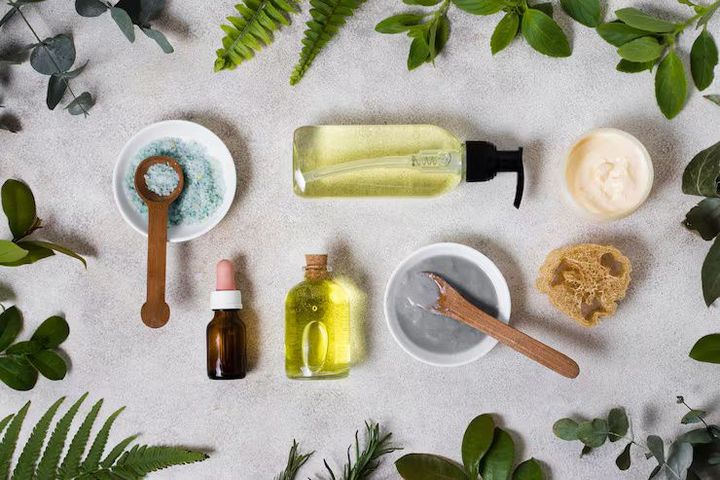
Many eco-friendly formulations include plant-based ingredients, botanical extracts, natural oils, and renewable raw materials obtained through responsible sourcing practices.
Responsible Packaging
Packaging plays a significant role in reducing environmental impact.
Common packaging approaches include:
- Recyclable containers
- Glass packaging
- Refillable containers
- Paper-based packaging
- Minimal packaging designs
Environmentally Conscious Manufacturing
Many manufacturers focus on reducing water consumption, improving energy efficiency, and minimizing production waste throughout the manufacturing process.
Transparent Ingredient Information
Clear product labeling helps consumers understand ingredient sources, product composition, and sustainability commitments.
Types of Eco-Friendly Beauty Products
The sustainable beauty industry includes products across many personal care categories.
Skincare
Eco-friendly skincare products include facial cleansers, moisturizers, serums, facial oils, sunscreens, and exfoliating products developed with environmentally responsible ingredients.
Haircare
Haircare products include shampoos, conditioners, hair masks, styling products, and scalp treatments designed with sustainability considerations.
Cosmetics
Many cosmetic products now feature responsibly sourced pigments, recyclable packaging, and formulations developed with environmental awareness.
Body Care
Body lotions, soaps, deodorants, body washes, and hand care products are increasingly available in environmentally conscious formats.
Benefits of Choosing Eco-Friendly Beauty Products
One of the main advantages of Eco-Friendly Beauty Products is their focus on reducing environmental impact throughout production, packaging, and disposal. Many manufacturers are adopting packaging designs that generate less waste while encouraging recycling and reuse.
Another benefit is increased transparency. Consumers often have access to clearer information about ingredient sourcing, production methods, and sustainability initiatives, making it easier to understand how products are developed.
Eco-friendly beauty also encourages innovation. Manufacturers continue exploring renewable materials, biodegradable packaging, concentrated formulations, and refill systems that support long-term sustainability.
As awareness grows, environmentally responsible beauty products are contributing to broader discussions about responsible consumption and resource conservation.
Factors to Consider Before Choosing Products
Selecting environmentally friendly beauty products involves looking beyond marketing claims.
Consider factors such as:
- Ingredient transparency
- Packaging materials
- Recyclability
- Refillable options
- Sustainability certifications
- Manufacturing practices
- Product durability
- Environmental commitments
Evaluating these aspects provides a more complete understanding of a product's environmental approach.
Future Trends in Sustainable Beauty
The beauty industry continues to develop new sustainability initiatives.
Biotechnology is supporting the development of innovative ingredients using environmentally responsible production methods. Water-efficient formulations, solid beauty products, refill stations, and biodegradable packaging are becoming increasingly common.
Artificial intelligence is also helping manufacturers optimize production processes, improve supply chain efficiency, and reduce material waste. Digital product information is replacing some printed packaging, further reducing paper consumption.
As consumer awareness continues to grow, sustainability is expected to remain a driving force behind beauty product innovation.
Frequently Asked Questions
What are Eco-Friendly Beauty Products?
They are beauty and personal care products developed with environmentally responsible ingredients, packaging, and manufacturing practices.
What types of products are available?
They include skincare, haircare, cosmetics, body care, and personal hygiene products.
Why is sustainable packaging important?
Sustainable packaging helps reduce waste, encourages recycling, and minimizes the environmental impact of product disposal.
What ingredients are commonly used?
Many products include botanical extracts, plant-based oils, naturally derived ingredients, and responsibly sourced raw materials.
How is the beauty industry becoming more sustainable?
Manufacturers are adopting recyclable packaging, refill systems, renewable ingredients, water-efficient production, and environmentally conscious manufacturing technologies.
Conclusion
Eco-Friendly Beauty Products are helping reshape the beauty industry by encouraging responsible ingredient sourcing, sustainable packaging, and environmentally conscious manufacturing practices. As innovation continues, these products provide consumers with more opportunities to support sustainability while maintaining their personal care routines.
Understanding product ingredients, packaging materials, certifications, and manufacturing practices helps consumers make informed decisions that align with both personal preferences and environmental responsibility. As sustainable beauty continues to evolve, it will remain an important part of the future of personal care.