Understanding Laser Resurfacing for Eye Bags: How It Works, Benefits and Recovery
Eye bags can develop due to aging, genetics, skin laxity, or underlying fat changes. They can also appear more noticeable when fine lines affect the lower eyelids.
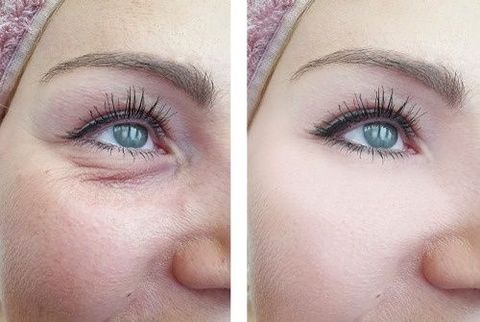
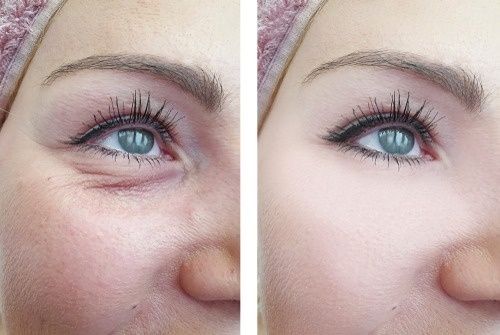
Laser resurfacing for eye bags focuses mainly on improving the skin. It can address texture, fine lines, and mild skin laxity. However, results depend strongly on the underlying cause.
Quick Answer: How Does Laser Resurfacing for Eye Bags Work?
- Laser resurfacing delivers controlled energy into under-eye skin.
- The treatment triggers a natural skin renewal response.
- It can stimulate collagen remodeling within treated tissue.
- Treatment may improve fine lines, texture, and mild skin laxity.
- Ablative lasers remove controlled portions of surface tissue.
- Non-ablative lasers heat deeper tissue with less surface disruption.
- Laser resurfacing cannot fully address every type of eye bag.
- Professional assessment helps identify the underlying cause.
What Is Laser Resurfacing for Eye Bags?
Laser resurfacing is a medical skin procedure. It uses focused light energy to create controlled changes within targeted skin layers.
Around the lower eyelids, treatment commonly focuses on skin quality.
It may address:
- Fine under-eye lines
- Crepey skin
- Uneven texture
- Mild skin laxity
- Certain pigmentation changes
- Sun-related skin changes
The procedure does not treat every anatomical cause of eye bags.
What Causes Eye Bags to Develop?
Eye bags can result from several factors.
Aging can weaken tissues around the lower eyelids. Fat that normally supports the eye can also become more prominent.
Common contributing factors include:
- Genetics
- Natural aging
- Reduced skin elasticity
- Prominent orbital fat
- Fluid retention
- Tear-trough shadows
- Pigmentation changes
- Environmental exposure
Several factors can occur together.
How Does Laser Resurfacing Work Under the Eyes?
Laser devices deliver controlled light energy into selected skin layers.
This energy creates carefully controlled tissue effects. The body's healing response then begins.
During healing, the skin undergoes renewal and collagen remodeling.
The treatment process depends on:
- Laser wavelength
- Energy level
- Pulse duration
- Treatment depth
- Treatment density
- Skin characteristics
The eyelid area requires particularly precise treatment.
How Does Collagen Remodeling Improve Under-Eye Skin?
Collagen provides structural support within the skin.
Collagen production and organization change with age. This contributes to wrinkles and reduced firmness.
Controlled laser treatment stimulates a healing response. During recovery, collagen fibers can gradually remodel.
This process may improve:
- Skin firmness
- Fine lines
- Surface texture
- Overall skin appearance
Changes usually develop gradually.
What Types of Lasers Are Used for Under-Eye Resurfacing?
Different laser technologies create different effects.
The appropriate approach depends on skin characteristics and treatment goals.
How Do Ablative Lasers Work?
Ablative lasers remove controlled portions of the skin surface.
Common technologies include:
- Carbon dioxide lasers
- Erbium:YAG lasers
- Fractional ablative lasers
Removing damaged surface tissue stimulates skin regeneration.
Ablative treatments generally create more noticeable healing than non-ablative approaches.
How Do Non-Ablative Lasers Work?
Non-ablative lasers primarily heat tissue beneath the skin surface.
They stimulate remodeling while causing less surface disruption.
These treatments may address:
- Fine lines
- Mild textural changes
- Early skin laxity
- Certain pigmentation concerns
Multiple treatment sessions may sometimes be considered.
What Is Fractional Laser Resurfacing?
Fractional laser resurfacing treats microscopic columns of skin.
Untreated tissue remains between these treatment zones. This arrangement supports the healing process.
Fractional technology can be:
- Ablative
- Non-ablative
Treatment intensity can vary significantly.
What Are the Potential Benefits of Laser Resurfacing for Eye Bags?
Laser resurfacing can provide several skin-related improvements.
Potential benefits include:
- Smoother under-eye texture
- Reduced appearance of fine lines
- Improved skin firmness
- Reduced crepey appearance
- More even-looking skin
- Collagen remodeling
- Improvement in selected pigmentation concerns
Results vary between individuals.
Can Laser Resurfacing Completely Remove Eye Bags?
Not always.
The term "eye bags" describes several different conditions. Laser resurfacing mainly targets skin-related changes.
Prominent eye bags may involve orbital fat beneath the skin. Laser resurfacing does not directly remove significant fat protrusion.
A clinician may therefore evaluate whether the appearance comes from:
- Loose skin
- Prominent fat
- Fluid retention
- Pigmentation
- Tear-trough shadows
- Fine wrinkles
- Several combined factors
Identifying the cause is essential for appropriate treatment planning.
How Is Laser Resurfacing Different From Blepharoplasty?
Laser resurfacing and blepharoplasty address different concerns.
Laser resurfacing primarily changes skin texture and quality.
Blepharoplasty is a surgical procedure. It can address structural changes involving skin and prominent fat.
Neither approach is automatically appropriate for every person.
What Happens During Laser Resurfacing?
The process usually begins with a detailed clinical assessment.
Skin characteristics and medical history are reviewed before treatment.
A typical procedure may involve:
- Cleaning the treatment area
- Preparing the surrounding skin
- Providing suitable eye protection
- Selecting appropriate laser parameters
- Delivering controlled laser energy
- Applying post-treatment skin care
Exact procedures vary between laser technologies.
Why Is Eye Protection Essential During Treatment?
Lasers used around the eyelids require careful ocular protection.
The eye contains structures that can be sensitive to laser energy. Proper protective measures are therefore essential.
Depending on the procedure, clinicians may use specialized protective equipment.
Treatment should be performed by appropriately trained medical professionals.
What Is Recovery Like After Laser Resurfacing?
Recovery depends on laser type and treatment intensity.
Temporary effects may include:
- Redness
- Swelling
- Tenderness
- Skin sensitivity
- Dryness
- Peeling
- Temporary changes in skin appearance
Ablative resurfacing generally involves more visible healing.
Non-ablative procedures usually cause less surface disruption.
How Should Under-Eye Skin Be Cared for During Recovery?
Treated skin can become temporarily sensitive.
Following clinician-directed aftercare is important.
General principles may include:
- Clean the area as instructed.
- Avoid rubbing treated skin.
- Use recommended skin protection.
- Avoid irritating skincare ingredients.
- Limit unnecessary sun exposure.
- Follow specific aftercare instructions.
- Monitor unusual skin reactions.
Recovery recommendations depend on the procedure.
What Are the Possible Risks of Laser Resurfacing?
Laser resurfacing has potential complications.
These may include:
- Prolonged redness
- Swelling
- Skin irritation
- Infection
- Scarring
- Delayed healing
- Pigmentation changes
- Acne-like eruptions
- Reactivation of certain viral infections
Procedures near the eyes also require additional ocular safety precautions.
Can Laser Resurfacing Change Skin Pigmentation?
Pigmentation changes can occur after laser treatment.
Skin may temporarily or persistently become darker or lighter.
Several factors influence this response:
- Natural skin tone
- Laser technology
- Treatment intensity
- Sun exposure
- Previous pigmentation changes
- Healing response
Careful treatment selection is especially important for darker skin tones.
Who May Need Additional Assessment Before Treatment?
Medical assessment is important before under-eye resurfacing.
Additional evaluation may be needed for people with:
- Active skin infections
- Certain inflammatory skin conditions
- Previous abnormal scarring
- Eye-related conditions
- Recent significant sun exposure
- Previous eyelid procedures
- Certain medication histories
Medical history can influence treatment suitability.
How Long Do Laser Resurfacing Results Last?
Laser resurfacing does not stop natural aging.
Skin continues changing after treatment. Environmental exposure also affects long-term appearance.
Result duration can depend on:
- Skin characteristics
- Treatment depth
- Laser technology
- Aging
- Sun exposure
- Skincare practices
- Individual healing response
Collagen remodeling can continue after initial recovery.
How Can Someone Prepare for a Laser Consultation?
A consultation should identify the actual cause of the under-eye concern.
Important topics include:
- Skin type
- Medical history
- Previous treatments
- Current medications
- Pigmentation history
- Scarring history
- Eye health
- Expected recovery
- Potential complications
- Appropriate laser technology
Clear expectations are important before treatment.
Frequently Asked Questions
Does laser resurfacing tighten under-eye skin?
It may improve mild skin laxity through controlled collagen remodeling.
Can laser resurfacing reduce under-eye wrinkles?
Yes. Certain resurfacing approaches can reduce visible fine lines and texture changes.
Does laser resurfacing remove under-eye fat?
No. Laser resurfacing primarily targets skin rather than significant fat protrusion.
How long does recovery take?
Recovery varies by laser technology and treatment intensity.
Is laser resurfacing suitable for every skin tone?
No single approach suits everyone. Skin tone influences laser selection and treatment settings.
Can eye bags appear again?
Yes. Natural aging and structural changes continue over time.
Key Takeaways
Laser Resurfacing for Eye Bags Summary
- Laser resurfacing primarily improves under-eye skin.
- It can address fine lines, texture, and mild skin laxity.
- Treatment stimulates controlled skin renewal and collagen remodeling.
- Ablative lasers affect surface and deeper skin layers.
- Non-ablative lasers create less surface disruption.
- Fractional lasers treat microscopic sections of skin.
- Structural fat-related eye bags may require another approach.
- Recovery depends on laser technology and treatment intensity.
- Pigmentation changes are a possible complication.
- Professional assessment and proper eye protection are essential.
Disclaimer
The information provided in this article is for informational purposes only. We do not make any claims or guarantees regarding the accuracy, reliability, or completeness of the information presented. The content is not intended as professional advice and should not be relied upon as such. Readers are encouraged to conduct their own research and consult with appropriate professionals before making any decisions based on the information provided in this article.