Health Gadgets: Complete Guide to Features & Key Insights
Health gadgets have become an important part of modern wellness and personal health monitoring.
These devices help users track various health-related metrics such as heart rate, physical activity, sleep quality, blood oxygen levels, and other wellness indicators.
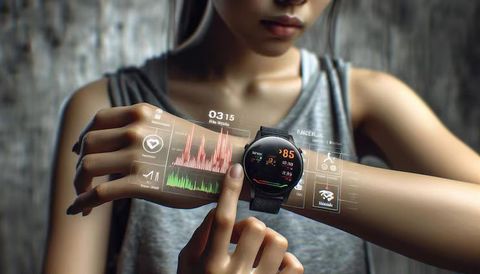
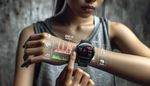
Advances in sensor technology, connectivity, and wearable electronics have transformed health gadgets from simple step counters into sophisticated monitoring tools. Today, they are used by fitness enthusiasts, older adults, healthcare professionals, and individuals who want greater awareness of their daily health habits. Wearable health technologies can continuously monitor physiological data such as heart rate, blood oxygen levels, movement, and sleep patterns.
Understanding the features, capabilities, and limitations of health gadgets can help users make better decisions and use these tools more effectively.
Quick Facts About Health Gadgets
| Feature | Description |
|---|---|
| Primary Purpose | Health monitoring and wellness tracking |
| Common Form Factors | Smartwatches, fitness bands, smart rings, monitors |
| Key Technology | Sensors and wireless connectivity |
| Data Collection | Continuous or periodic monitoring |
| Common Metrics | Heart rate, sleep, activity, oxygen levels |
| User Groups | Individuals, athletes, older adults |
| Mobility | Portable and wearable |
| Growth Trend | Increasing adoption worldwide |
What Are Health Gadgets?
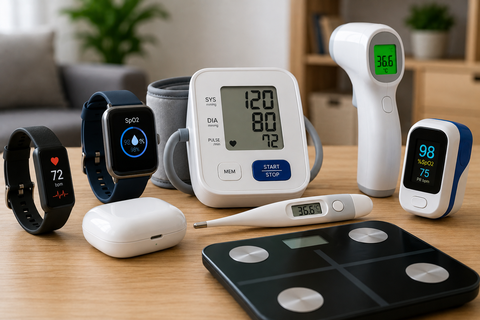
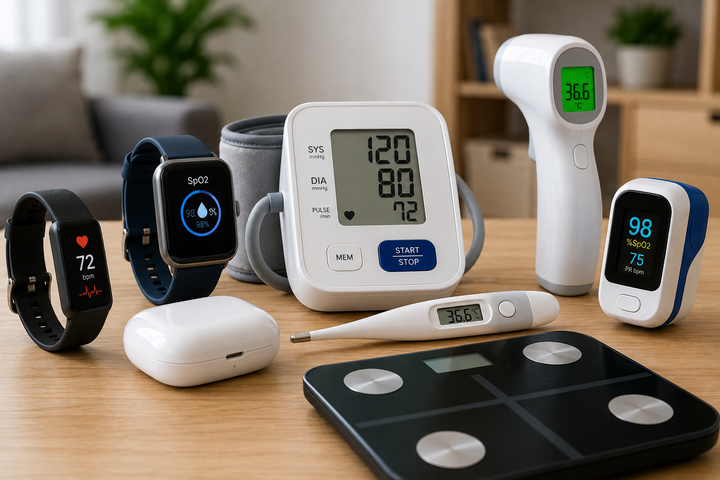
Health gadgets are electronic devices designed to monitor, measure, or support various aspects of health and wellness. These devices can be wearable, portable, or home-based.
Examples include:
- Fitness trackers
- Smartwatches
- Smart rings
- Blood pressure monitors
- Pulse oximeters
- Sleep tracking devices
- Continuous glucose monitoring devices
- Smart scales
Modern health gadgets combine sensors, processors, and connectivity technologies to collect and analyze health information.
Understanding the Concept
The primary goal of health gadgets is to provide users with greater visibility into their daily health patterns.
For example, a smartwatch may track heart rate throughout the day, while a sleep tracker analyzes sleep duration and consistency. This information can help users identify trends and make informed lifestyle decisions.
Health gadgets are designed to support awareness and monitoring, but they should not replace professional medical evaluation.
Key Categories of Health Gadgets
Wearable Health Devices
Wearables are designed to be worn on the body throughout the day.
Examples
- Smartwatches
- Fitness bands
- Smart rings
- ECG wearables
Wearable devices can monitor activity, sleep, heart rate, and other physiological measurements.
Home Health Monitoring Devices
These devices are commonly used in households.
Examples
- Blood pressure monitors
- Digital thermometers
- Pulse oximeters
- Smart weighing scales
Medical Monitoring Devices
Some health gadgets are designed to support ongoing health management.
Examples
- Continuous glucose monitors
- ECG monitoring devices
- Cardiac monitoring patches
Smart Wellness Devices
These gadgets focus on general wellness and lifestyle monitoring.
Examples
- Sleep tracking systems
- Stress monitoring wearables
- Activity trackers
Common Health Gadgets Comparison
| Gadget Type | Primary Function |
|---|---|
| Smartwatch | Health and activity tracking |
| Fitness Tracker | Movement and exercise monitoring |
| Smart Ring | Sleep and wellness monitoring |
| Pulse Oximeter | Blood oxygen measurement |
| Blood Pressure Monitor | Blood pressure tracking |
| Smart Scale | Weight and body metrics |
| Glucose Monitor | Glucose tracking |
Health Gadget Architecture
Understanding device architecture helps explain how health gadgets function.
Sensors
Sensors collect physiological data from the user.
Common sensors include:
- Optical sensors
- Motion sensors
- Temperature sensors
- ECG sensors
Processing Unit
The processor analyzes raw sensor data and converts it into usable information.
Connectivity Module
Wireless technologies such as Bluetooth transmit information to connected devices.
Data Storage
Health information may be stored locally or synchronized with companion applications.
User Interface
Users interact through screens, indicators, or connected mobile devices.
How Health Gadgets Work
Step 1: Data Collection
Sensors gather health-related information.
Step 2: Signal Processing
Raw measurements are processed into meaningful metrics.
Step 3: Data Analysis
Algorithms identify patterns and trends.
Step 4: User Display
Results are presented through dashboards and reports.
Step 5: Long-Term Monitoring
Users can track changes over time.
Important Health Metrics Monitored
| Health Metric | Purpose |
|---|---|
| Heart Rate | Cardiovascular monitoring |
| Blood Oxygen | Oxygen saturation tracking |
| Sleep Duration | Sleep pattern monitoring |
| Activity Level | Daily movement tracking |
| Step Count | Physical activity measurement |
| Stress Indicators | Wellness monitoring |
| Temperature | Physiological monitoring |
| ECG Data | Heart rhythm tracking |
Many modern wearables focus on metrics such as heart rate, sleep quality, blood oxygen saturation, and physical activity.
Benefits and Advantages
Continuous Monitoring
Many health gadgets collect information throughout the day.
Health Awareness
Users gain greater visibility into personal wellness trends.
Activity Tracking
Movement and exercise can be monitored more easily.
Sleep Insights
Sleep duration and consistency can be tracked over time.
Convenience
Portable designs support everyday use.
Data Accessibility
Health information can be viewed through connected applications and dashboards.
Wearable vs Home Health Devices
| Feature | Wearable Devices | Home Devices |
|---|---|---|
| Mobility | High | Moderate |
| Continuous Monitoring | Yes | Usually No |
| Portability | High | Moderate |
| Daily Use | Frequent | Occasional |
| Real-Time Data | Common | Varies |
| Long-Term Tracking | Strong | Moderate |
Smart Health Technology Features
Heart Rate Monitoring
Optical sensors measure heart rate throughout the day.
Sleep Tracking
Many devices evaluate sleep duration and sleep consistency.
Blood Oxygen Monitoring
Some wearables estimate oxygen saturation levels.
Stress Tracking
Certain devices monitor physiological indicators associated with stress.
Fall Detection
Some advanced wearables include emergency detection features.
AI-Based Insights
Newer devices increasingly use artificial intelligence to identify trends and generate personalized wellness insights.
Real-World Applications
Personal Wellness
Individuals use health gadgets to monitor daily habits.
Fitness Tracking
Athletes and fitness enthusiasts track workouts and recovery.
Elder Care
Health monitoring devices can assist older adults.
Remote Health Monitoring
Some systems support health observation outside clinical environments.
Workplace Wellness
Organizations increasingly use wellness programs involving wearable technologies.
Recovery Monitoring
Users may track recovery patterns following illness or intensive exercise.
Environmental Considerations
Reduced Paper Records
Digital monitoring reduces dependence on manual tracking.
Rechargeable Technology
Many modern devices use rechargeable batteries.
Longer Device Lifecycles
Manufacturers increasingly focus on durability and extended usability.
Sustainable Technology Development
Advancements in electronics continue improving efficiency and reducing power consumption.
Industry Standards and Safety
Health gadgets often incorporate safety, accuracy, and data protection considerations.
Sensor Accuracy
Manufacturers continually improve measurement reliability.
Electrical Safety
Devices are designed according to applicable consumer electronics standards.
Data Privacy
Health information security is becoming an increasingly important focus area.
Medical vs Consumer Devices
Some health gadgets are wellness devices, while others are regulated medical devices intended for specific healthcare purposes.
Common Challenges and Solutions
| Challenge | Practical Solution |
|---|---|
| Data Overload | Focus on key health metrics |
| Battery Management | Follow charging recommendations |
| Inconsistent Wear | Use devices regularly |
| Sensor Accuracy Limits | Understand device limitations |
| Data Interpretation | Review trends instead of single readings |
| Connectivity Issues | Maintain updated device settings |
Maintenance Schedule
| Maintenance Task | Frequency |
|---|---|
| Clean Sensors | Weekly |
| Recharge Device | As Needed |
| Check Firmware Updates | Monthly |
| Inspect Straps or Attachments | Monthly |
| Review Health Data | Weekly |
| Verify Device Settings | Monthly |
Best Practices
- Wear devices consistently for better trend analysis.
- Focus on long-term patterns rather than isolated readings.
- Keep sensors clean.
- Maintain battery health through recommended charging practices.
- Review health information regularly.
- Understand the intended purpose of each device.
Expert Insights
Health professionals generally view wearable technology as a useful tool for increasing awareness of health habits and lifestyle patterns. Many experts recommend focusing on trends such as resting heart rate, sleep consistency, activity levels, and recovery patterns rather than individual measurements.
Key Facts About Health Gadgets
- Nearly one-third of Americans use wearable devices for health or fitness tracking.
- Modern wearables can track heart rate, sleep, activity, and blood oxygen levels.
- Smart rings, smartwatches, and fitness bands continue to expand in popularity.
- AI-powered health insights are becoming increasingly common.
- Continuous monitoring is one of the defining characteristics of modern wearable health technology.
Future Trends and Industry Insights
AI-Enhanced Monitoring
Artificial intelligence is expected to improve personalized health analysis.
Screen-Free Wearables
A growing trend focuses on devices that collect health data without constant notifications or screen interaction.
Advanced Sensors
Future devices may support additional physiological measurements.
Better Battery Technology
Longer runtimes remain a major development goal.
Expanded Remote Monitoring
Health technologies are increasingly supporting remote care and long-term monitoring.
Frequently Asked Questions
What are health gadgets?
Electronic devices designed to monitor health and wellness metrics.
What is the most common type of health gadget?
Smartwatches and fitness trackers are among the most widely used.
Can health gadgets track sleep?
Many devices include sleep monitoring features.
What is a wearable health device?
A device worn on the body that collects health-related information.
Can health gadgets measure heart rate?
Many wearables include heart rate sensors.
What is blood oxygen monitoring?
A feature that estimates oxygen saturation levels.
Are health gadgets useful for fitness tracking?
Yes, activity and exercise monitoring are common features.
Can health gadgets replace medical advice?
No. They are intended to support awareness and monitoring, not replace professional medical evaluation.
What is a smart ring?
A wearable ring designed to track wellness and health metrics.
What future developments are expected?
AI-powered analysis, improved sensors, and enhanced remote monitoring capabilities.
Conclusion
Health gadgets have transformed personal wellness monitoring by making health information more accessible and easier to understand. From smartwatches and fitness trackers to smart rings and home monitoring devices, these technologies provide valuable insights into daily health habits and physiological trends.
As sensor technology, artificial intelligence, and wearable electronics continue to advance, health gadgets are expected to become even more capable, personalized, and integrated into everyday life. When used appropriately, they can serve as useful tools for improving awareness, encouraging healthy habits, and supporting long-term wellness.