CNC Machine Overview: Important Details and Technical Information
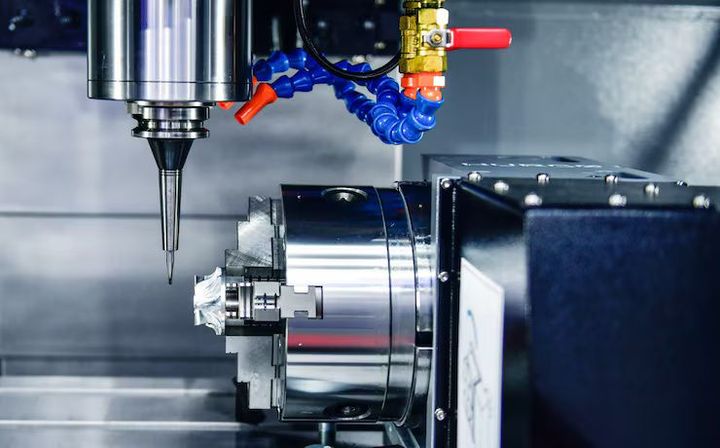
Computer Numerical Control (CNC) machines are automated systems that use programmed instructions to shape materials with high precision. They exist because modern manufacturing requires accuracy, consistency, and the ability to create complex designs that would be difficult or impossible to achieve manually. CNC machines use digital commands to control cutting tools, spindles, and movement along multiple axes, producing components for industries such as aerospace, automotive, electronics, medicine, and industrial equipment.
CNC (Computer Numerical Control) technology was developed to improve precision and consistency in manufacturing. Traditional manual machines depended heavily on operator skill, often leading to variations in output. CNC machines introduced digital automation, enabling identical parts to be produced with high accuracy and minimal human error.
Today, CNC systems include milling machines, lathes, routers, plasma cutters, grinders, and laser systems. These machines are widely used for cutting, shaping, and machining materials such as metals, plastics, and composites.
Importance of CNC Machines
CNC machines are essential in modern manufacturing because they support precision, efficiency, and scalability. They are widely used across industries that require high-quality and repeatable production.
They impact engineers, designers, operators, and industrial planners.
Key Reasons for Importance
- Ensure consistent production of complex components
- Improve precision in safety-critical applications
- Enable rapid prototyping and design changes
- Increase efficiency through automation
- Reduce variability caused by manual processes
These advantages contribute to improved product quality and reduced waste.
Recent Updates in CNC Technology (2024–2025)
Recent advancements highlight how CNC machines are evolving with digital and sustainable technologies.
AI-Enhanced CNC Systems
AI is being used to optimize tool paths, detect errors, and reduce machining time. This improves efficiency and tool lifespan.
Digital Twin Integration
Digital twins allow virtual simulation of CNC machines and processes. This helps improve planning, reduce errors, and enhance maintenance forecasting.
Sustainability Improvements
Manufacturers are adopting energy-efficient motors, eco-friendly cutting fluids, and recycling systems to reduce environmental impact.
Hybrid Manufacturing
Combining CNC machining with 3D printing allows production of complex parts with reduced material waste and higher precision.
Types of CNC Machines and Their Uses
Different CNC machines are designed for specific manufacturing tasks.
| CNC Machine Type | Main Function | Typical Applications |
|---|---|---|
| CNC Milling Machine | Cutting and shaping with rotating tools | Automotive parts, precision parts |
| CNC Lathe | Turning operations for cylindrical items | Shafts, threaded components |
| CNC Router | Cutting softer materials | Furniture, molds, signage |
| CNC Plasma Cutter | Cutting metal with plasma | Metal fabrication |
| CNC Grinder | Precision finishing | Tool making, aerospace components |
| CNC Laser Cutter | High-precision cutting and engraving | Electronics, medical devices |
Laws and Policies
CNC machines operate under regulations that ensure safety, environmental responsibility, and production quality.
Machine Safety Standards
Regulations require protective guards, emergency stops, and safe electrical systems to protect operators.
Environmental Policies
Rules govern waste disposal, emissions, and the use of cutting fluids to reduce environmental impact.
Workplace Training Requirements
Operators may need specialized training to safely use CNC equipment.
Industry-Specific Standards
Industries like aerospace and medical manufacturing require strict accuracy and traceability standards.
Energy Efficiency Regulations
Policies encourage energy-saving technologies in CNC systems.
Tools and Resources
Various tools support CNC machine operation, programming, and maintenance.
Design and Programming Tools
- CAD (Computer-Aided Design) software
- CAM (Computer-Aided Manufacturing) software
- G-code simulators
Technical and Engineering Resources
- Tooling databases for cutting parameters
- Machining calculators for speed and feed rates
- Engineering handbooks
Monitoring and Maintenance Tools
- Maintenance scheduling applications
- Digital twin platforms
- Performance monitoring systems
These tools improve efficiency, accuracy, and reliability in CNC operations.
Frequently Asked Questions
What is the purpose of a CNC machine?
A CNC machine uses programmed instructions to control tools and produce precise components.
Which industries use CNC machines?
Industries include aerospace, automotive, medical device manufacturing, electronics, and metal fabrication.
What programming language is used?
G-code is the most common programming language used in CNC machines.
How is CNC different from manual machining?
CNC uses automated computer control, while manual machining relies on human operation.
What factors affect CNC machine selection?
Factors include material type, precision requirements, production volume, and software compatibility.
Conclusion
CNC machines are a cornerstone of modern manufacturing, offering precision, efficiency, and flexibility. They enable industries to produce high-quality components at scale.
With advancements in AI, digital twins, and hybrid manufacturing, CNC technology continues to evolve. Understanding its tools, trends, and regulations helps professionals make informed decisions in industrial production.