CNC turning centers are advanced manufacturing systems designed to shape metal and other materials into precise cylindrical components. These machines evolved from traditional lathes, combining computer numerical control (CNC) technology with automation features to enhance precision engineering and digital manufacturing processes.
Unlike manual machining equipment, CNC turning centers operate through programmed instructions, enabling consistent and repeatable production. They are widely used in industries such as aerospace, automotive, medical device manufacturing, and industrial equipment production.
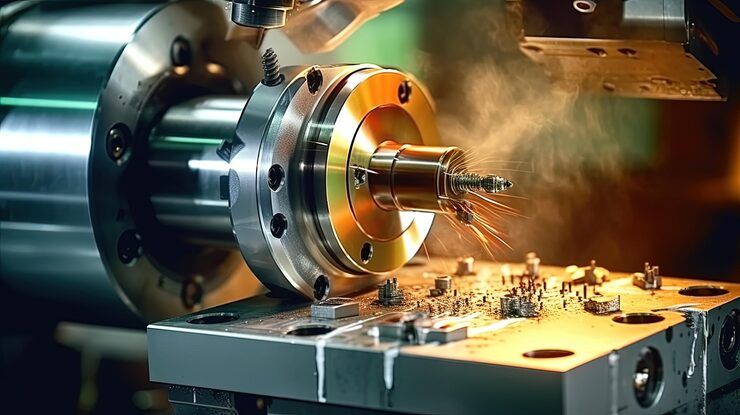
The need for CNC turning centers arose from growing demands for:
-
High-precision machining
-
Complex geometries and tight tolerances
-
Faster production cycles
-
Integration with CAD/CAM software
-
Reduced human error in machining operations
Modern CNC turning centers support multi-axis machining, live tooling, and automation integration. These capabilities allow manufacturers to produce complex components within a single setup, reducing downtime and increasing operational efficiency.
As Industry 4.0 solutions continue to shape global production systems, CNC turning centers have become central to smart factory environments, where machines communicate through digital networks and real-time analytics.
Importance: Why CNC Turning Centers Matter Today
Advanced manufacturing is increasingly driven by automation technology and data-driven production. CNC turning centers play a vital role in this transformation.
They impact:
-
Precision engineering industries requiring micron-level accuracy
-
High-performance sectors such as aerospace and defense
-
Automotive manufacturing focused on engine and drivetrain components
-
Medical device manufacturing requiring consistent quality standards
One of the primary problems CNC turning centers address is inconsistency in manual machining. Traditional lathes depend heavily on operator skill. In contrast, CNC machining relies on programmed parameters, reducing variation and enhancing repeatability.
Another major challenge solved by CNC turning centers is production scalability. When global supply chains require uniform parts across multiple facilities, digital manufacturing ensures consistent outputs.
Below is a comparison illustrating their industrial relevance:
| Feature | Manual Lathe | CNC Turning Center |
|---|---|---|
| Precision Level | Operator-dependent | Program-controlled |
| Production Speed | Moderate | High |
| Multi-Axis Capability | Limited | Advanced (up to 5-axis or more) |
| Integration with CAD/CAM | Minimal | Fully integrated |
| Automation Compatibility | Low | High |
These advantages contribute to:
-
Reduced material waste
-
Improved surface finish quality
-
Enhanced compliance with quality standards
-
Increased operational safety
CNC turning centers also support predictive maintenance strategies, minimizing unexpected downtime through real-time performance monitoring.
Recent Updates: Trends and Developments in 2025
The past year has brought significant advancements in CNC machining and automation technology.
In early 2025, manufacturers expanded adoption of AI-assisted toolpath optimization. These systems analyze machining data to improve cutting efficiency and extend tool life. This development enhances productivity while maintaining precision engineering standards.
Digital twin technology has also gained traction. By creating virtual simulations of CNC turning operations, manufacturers can test processes before physical execution. This reduces errors and supports smarter industrial equipment planning.
Several leading technology companies have strengthened integration between CNC platforms and cloud-based analytics systems. For example:
-
Siemens expanded its digital manufacturing ecosystem to enhance smart factory connectivity in 2025.
-
FANUC introduced enhanced robotic automation compatibility with turning centers.
-
Haas Automation highlighted improved control interfaces and remote monitoring capabilities.
Sustainability has also become a core focus. Many CNC turning centers now feature:
-
Energy-efficient spindle systems
-
Coolant recycling mechanisms
-
Reduced emissions through optimized cutting parameters
Another 2025 trend involves greater cybersecurity protection within industrial networks. As machines become interconnected, secure data transmission protocols are increasingly prioritized.
Laws or Policies: Regulatory Impact on CNC Turning Centers
CNC turning centers operate within a framework of industrial regulations and quality standards.
Manufacturers often align with internationally recognized standards such as:
-
ISO certification frameworks
-
OSHA workplace safety regulations
-
Environmental compliance programs related to waste management and emissions
ISO 9001 quality management systems are particularly relevant in precision engineering environments. These standards emphasize documentation, traceability, and continuous improvement.
Workplace safety regulations require:
-
Proper guarding and enclosure systems
-
Emergency stop mechanisms
-
Training in CNC operation safety protocols
-
Maintenance procedures to reduce mechanical risk
In countries adopting Industry 4.0 initiatives, governments support digital transformation through tax incentives and innovation programs. These initiatives encourage advanced manufacturing adoption while promoting sustainable industrial growth.
Environmental regulations also influence coolant disposal practices, metal recycling processes, and energy consumption monitoring.
Compliance ensures:
-
Operational reliability
-
Reduced legal risk
-
Stronger export competitiveness
-
Alignment with global manufacturing benchmarks
Tools and Resources: Supporting CNC Turning Operations
Modern CNC turning centers rely on digital tools and engineering software to maximize performance.
CAD/CAM Platforms
-
Autodesk Fusion 360
-
Mastercam
-
SolidWorks CAM
These platforms assist in toolpath programming, 3D modeling, and machining simulation.
Industrial Monitoring Systems
-
Real-time spindle monitoring dashboards
-
Predictive maintenance analytics
-
Cloud-connected production reporting tools
Automation Hardware
-
Robotic loading systems
-
Automated tool changers
-
Bar feeders for continuous operation
Performance Calculators
Common machining calculators include:
-
Surface speed calculators
-
Feed rate optimization tools
-
Tool life prediction charts
Below is a simplified reference table for cutting speed considerations:
| Material Type | Recommended Surface Speed (m/min) | Tool Type |
|---|---|---|
| Aluminum | 150–300 | Carbide |
| Stainless Steel | 60–120 | Coated Carbide |
| Titanium | 30–70 | High-performance Carbide |
Templates and Documentation Resources
-
CNC program validation checklists
-
Preventive maintenance logs
-
Quality inspection documentation formats
Educational Resources
-
Industry webinars on advanced manufacturing
-
Technical whitepapers on precision machining
-
Government publications on Industry 4.0 strategies
Together, these resources help manufacturers align CNC operations with best practices in automation technology and digital manufacturing.
Frequently Asked Questions
What is the difference between a CNC lathe and a CNC turning center?
A CNC lathe typically focuses on basic turning operations, while a CNC turning center includes additional features such as live tooling, multi-axis capabilities, and automated tool changers.
How does CNC turning improve precision engineering?
CNC turning uses programmed instructions to control spindle speed, feed rate, and tool positioning. This reduces human variability and enables tight tolerance machining.
Can CNC turning centers integrate with Industry 4.0 systems?
Yes. Modern turning centers connect with digital manufacturing platforms, enabling real-time data tracking, predictive maintenance, and cloud-based analytics.
What materials can be processed using CNC turning centers?
Common materials include aluminum, stainless steel, titanium, brass, and engineered plastics. Selection depends on tooling configuration and machining parameters.
How do safety regulations affect CNC machining operations?
Regulations require protective enclosures, emergency stop systems, operator training, and regular maintenance checks to ensure safe and compliant production environments.
Conclusion
CNC turning centers represent a cornerstone of advanced manufacturing and precision engineering. Their integration with automation technology, digital manufacturing systems, and Industry 4.0 solutions positions them as essential tools in modern industrial production.
Recent technological advancements in AI-assisted optimization, digital twins, and cybersecurity have strengthened their capabilities. At the same time, regulatory frameworks and quality standards ensure safe and reliable operations.
As global industries demand greater precision, efficiency, and sustainability, CNC turning centers continue to evolve. By leveraging modern CAD/CAM software, predictive analytics, and automation integration, manufacturers can enhance productivity while maintaining compliance and operational excellence.
In the rapidly advancing world of industrial equipment and smart factory systems, CNC turning centers remain a critical foundation for innovation and long-term manufacturing resilience.