Color Calibration Systems Overview: How They Improve Visual Accuracy and Performance
Color calibration systems are technologies designed to ensure that colors appear consistent and accurate across different devices and environments.
These systems help align the way displays, printers, cameras, and other visual equipment reproduce color so that images and graphics look as intended.
As digital content has become a major part of communication, entertainment, manufacturing, and design, the need for reliable color representation has increased. Different devices often display the same image differently because of variations in hardware, lighting conditions, and display settings. Color calibration systems were developed to reduce these differences and create a more standardized visual experience.
Modern color calibration equipment includes hardware devices and software applications that measure and adjust color output. These tools are used in industries such as graphic design, photography, printing, filmmaking, healthcare imaging, product manufacturing, and scientific research.
How Color Calibration Works
Most color calibration systems compare displayed or printed colors against known color standards. The system measures color output using specialized sensors and then creates adjustments to improve accuracy.
Common components include:
- Display measurement sensors
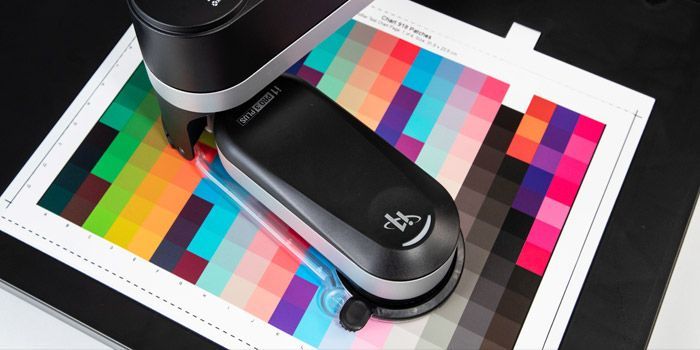
- Spectrophotometer calibration systems
- Color management software
- Digital color calibration equipment
- Calibration profiles and adjustment tools
The goal is to create consistent color reproduction across multiple devices and workflows.
Common Types of Calibration Systems
Several types of color measurement systems are used depending on the application:
| Calibration Type | Primary Use |
|---|---|
| Display Calibration | Monitors, televisions, projectors |
| Printer Calibration | Commercial and office printing |
| Camera Calibration | Photography and video production |
| Industrial Calibration | Manufacturing and product inspection |
| Multi-Device Calibration | Integrated color management environments |
Importance
Accurate color representation affects many aspects of everyday life and professional work. Whether viewing photographs on a smartphone, watching a movie, purchasing products online, or reviewing printed materials, consistent colors help reduce misunderstandings and improve visual quality.
Supporting Creative Industries
Graphic designers, photographers, and video editors rely heavily on display color calibration systems. Without proper calibration, colors may appear different when viewed on another monitor or when printed.
Graphic design color management software helps creative professionals maintain consistency throughout the design process. This reduces the likelihood of unexpected color shifts during production.
Improving Printing Accuracy
Commercial printing calibration equipment plays an important role in maintaining color consistency between digital designs and printed materials. Businesses that produce brochures, packaging, books, and marketing materials often depend on calibrated workflows to achieve predictable results.
When printing systems are not calibrated, colors may vary significantly between production runs, leading to inconsistencies in appearance.
Enhancing Manufacturing Processes
Industrial color calibration is widely used in manufacturing sectors where color consistency is important. Products such as textiles, paints, plastics, packaging materials, and consumer goods often require specific color standards.
Color measurement systems help manufacturers compare production output against predefined color targets, reducing variations between batches.
Supporting Healthcare and Scientific Applications
In medical imaging and scientific research, accurate color representation can assist with image interpretation and analysis. Consistent displays can help reduce visual discrepancies when reviewing diagnostic images or research data.
Although color calibration does not replace professional expertise, it contributes to more reliable visual presentation.
Recent Updates
The field of color calibration continues to evolve as display technologies and digital workflows become more advanced.
Growth of High-Dynamic-Range Displays
Modern monitors, televisions, and mobile devices increasingly support high-dynamic-range (HDR) content. As a result, display color calibration systems have expanded to address wider color gamuts and increased brightness capabilities.
Calibration processes now often consider both traditional color accuracy and HDR performance characteristics.
Integration with Cloud-Based Workflows
Many organizations manage visual content across distributed teams and multiple locations. Recent developments in color management systems focus on maintaining consistent color profiles across connected devices and collaborative environments.
This approach helps teams work with more predictable visual outputs regardless of geographic location.
Automation and Intelligent Calibration
Professional color calibration solutions increasingly include automated calibration routines. Some monitors and display systems contain built-in sensors that periodically verify color performance and apply adjustments when needed.
Automation can reduce manual calibration steps while helping maintain long-term consistency.
Expansion of Industrial Applications
Industrial color calibration has expanded beyond traditional printing and manufacturing environments. Industries such as packaging inspection, food production, automotive manufacturing, and quality control increasingly use digital color calibration equipment to monitor product appearance.
Improved Measurement Technology
Spectrophotometer calibration systems continue to become more precise and efficient. Newer devices can capture color data more quickly while supporting a wider range of materials and surfaces.
These improvements support more accurate color measurement in both laboratory and production settings.
Laws or Policies
Color calibration systems are influenced by various standards, regulations, and quality-control requirements. While requirements differ by country and industry, many organizations follow internationally recognized color standards.
International Color Standards
Organizations commonly use established color standards to promote consistency across products and devices. Examples include standards developed by international industry groups that define color spaces, measurement methods, and calibration procedures.
These standards help ensure compatibility between equipment produced by different manufacturers.
Manufacturing Quality Requirements
Many manufacturing sectors operate under quality management frameworks that require consistent product output. Industrial color calibration can support compliance with these quality requirements by providing measurable color verification processes.
Printing and Packaging Guidelines
Commercial printing operations often follow industry guidelines related to color reproduction and print quality. Commercial printing calibration equipment helps organizations maintain alignment with these established practices.
Digital Display Compliance
Some industries, including broadcasting, media production, and healthcare imaging, maintain internal standards regarding display performance. Display color calibration systems assist organizations in maintaining consistent viewing conditions.
The specific requirements vary depending on the organization, industry sector, and intended use of the visual content.
Tools and Resources
A variety of tools and resources support color calibration activities across different industries and applications.
Hardware Tools
Professional calibration often involves dedicated measurement devices, including:
- Colorimeters for monitor calibration
- Spectrophotometer calibration systems for advanced color measurement
- Printer profiling devices
- Industrial color sensors
- Environmental lighting measurement tools
These devices collect objective color data used during calibration procedures.
Software Resources
Graphic design color management software and calibration applications help users manage color profiles and maintain consistency across devices.
Common software functions include:
- Display profiling
- Printer profiling
- Color space conversion
- Color profile management
- Workflow monitoring
Reference Standards
Many calibration processes rely on standardized reference materials such as:
- Color target charts
- Calibration test images
- Standardized lighting conditions
- Industry color libraries
- Measurement reference guides
These resources provide known color values for comparison during calibration.
Educational Materials
Training materials, technical documentation, industry publications, and standards organizations provide guidance on calibration methods and color management principles. These resources help users understand how color calibration equipment functions within larger workflows.
FAQs
What are color calibration systems?
Color calibration systems are tools and processes used to ensure accurate and consistent color reproduction across displays, printers, cameras, and other visual devices. They help reduce differences in color appearance between devices.
How do display color calibration systems improve monitor accuracy?
Display color calibration systems measure how a monitor reproduces color and then create adjustments that align the display with recognized color standards. This helps improve consistency and visual accuracy.
What is the difference between colorimeters and spectrophotometer calibration systems?
Colorimeters are commonly used for monitor calibration and measure light output from displays. Spectrophotometer calibration systems measure a broader range of color information and can be used for displays, printers, packaging materials, textiles, and other surfaces.
Why is industrial color calibration important?
Industrial color calibration helps manufacturers maintain consistent color quality across products and production batches. It supports quality control processes in industries such as textiles, plastics, automotive manufacturing, and packaging.
What role do color management systems play in professional workflows?
Color management systems help coordinate color information across multiple devices and applications. They allow designers, printers, photographers, and manufacturers to maintain more consistent color reproduction throughout a project or production process.
Conclusion
Color calibration systems play an important role in maintaining accurate and consistent color reproduction across displays, printers, cameras, and industrial equipment. They support a wide range of activities, from graphic design and commercial printing to manufacturing and scientific research. Advances in automation, measurement technology, and integrated color management systems continue to improve calibration processes. As digital and visual content remains central to communication and production, reliable color calibration remains an important component of modern workflows.