Discover Wire Cut EDM Machine Manufacturers: Modern Technology, Capabilities, and Industry Trends
Wire electrical discharge machining, commonly known as wire EDM, is a manufacturing process used to cut electrically conductive materials with a thin wire and controlled electrical sparks.
Today, wire cut EDM machine manufacturers develop advanced equipment that helps produce highly detailed components for industries requiring exceptional accuracy. These machines are widely recognized as important precision machining equipment in modern manufacturing.
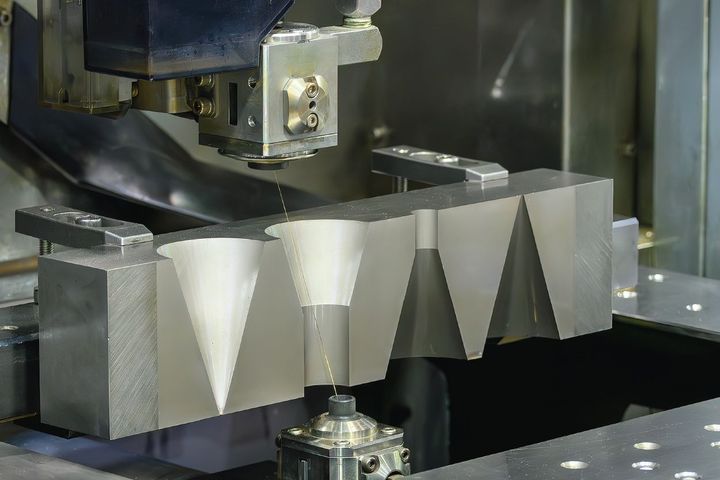
A wire EDM machine works differently from traditional cutting tools. Instead of using physical force to remove material, it creates controlled electrical discharges between a thin wire electrode and the workpiece. This process makes it possible to create complex shapes while minimizing mechanical stress on the material. As a result, wire cut EDM suppliers continue to support industries that require precise and consistent manufacturing methods.
The growth of precision engineering machinery has increased the demand for industrial wire cut machine technology. Modern systems combine computer controls, automation, and monitoring features to improve consistency while reducing manual adjustments. These developments have made wire cut EDM equipment an important part of manufacturing environments around the world.
Context
Understanding Wire EDM Technology
Electrical discharge machining was developed to machine materials that are difficult to cut using conventional tools. Unlike milling or turning, the process relies on electrical energy instead of direct contact between the cutting tool and the workpiece.
The wire itself does not physically carve through the metal. Instead, repeated electrical sparks remove tiny amounts of material while a dielectric fluid cools the work area and removes debris. This allows manufacturers to produce detailed parts with narrow slots, sharp internal corners, and intricate profiles.
How Wire Cut EDM Machine Manufacturers Contribute
Wire cut EDM machine manufacturers design equipment capable of maintaining precise wire movement, spark control, and positioning accuracy. Modern systems integrate computer numerical control (CNC), automated wire threading, and monitoring functions that help improve machining consistency.
Different machine designs are suitable for different production environments. Some emphasize compact designs for smaller workshops, while others are intended for large-scale industrial machining centers handling larger components.
Common Industries Using Wire EDM Machines
Many industries rely on precision wire EDM machining because of its ability to process complex conductive materials.
| Industry | Common Applications |
|---|---|
| Aerospace | Engine components, turbine parts |
| Automotive | Transmission components, gears, molds |
| Medical Manufacturing | Surgical instruments, implant tooling |
| Electronics | Connectors, precision contacts |
| Tool and Die | Dies, punches, tooling inserts |
| Industrial Equipment | Precision mechanical components |
Importance
Supporting Precision Manufacturing
Modern manufacturing increasingly depends on accurate dimensions and repeatable production. A high precision EDM machine allows manufacturers to create components with fine tolerances that may be difficult to achieve through conventional machining methods.
This level of accuracy supports industries where even small dimensional differences may affect product performance or assembly.
Working With Difficult Materials
Many engineering materials are extremely hard or resistant to traditional cutting methods. Wire EDM technology allows conductive materials such as hardened steel, titanium, carbide, and certain alloys to be machined without placing heavy cutting forces on the workpiece.
This capability reduces the likelihood of distortion that can occur during conventional machining.
Helping Tool and Die Production
Tool and die manufacturing equipment frequently includes wire EDM technology because dies and molds often contain intricate shapes requiring careful machining.
Common examples include:
- Progressive dies
- Injection mold inserts
- Extrusion dies
- Stamping tools
- Precision punches
- Prototype tooling
Improving Manufacturing Consistency
Automated machining systems help manufacturers repeat the same machining process across multiple production cycles. Computer-controlled movement and automated monitoring reduce variation while improving overall production consistency.
For industries producing identical precision components, repeatability is often just as important as dimensional accuracy.
Recent Updates
Greater Automation
Recent developments show increasing use of automation in wire EDM machine design. Many systems now include automated wire threading, unattended machining sequences, and intelligent monitoring that adjusts machining conditions during operation.
These capabilities help reduce interruptions while supporting longer production cycles.
Smarter CNC Controls
Modern CNC software has become more advanced and easier to operate. Improved graphical interfaces, simulation functions, and integrated programming tools help operators prepare machining programs more efficiently.
Many machines also support digital connectivity for monitoring production performance.
Energy Management Improvements
Current wire cut EDM equipment increasingly focuses on reducing electrical consumption while maintaining machining performance. Manufacturers continue improving spark control technology and power management systems to increase efficiency.
Although energy use varies depending on the application, modern equipment generally includes features intended to reduce unnecessary power consumption.
Integration With Digital Manufacturing
Industrial machining centers increasingly connect with digital production systems. Wire EDM machines may exchange production information with manufacturing software to improve scheduling, maintenance planning, and quality monitoring.
This trend supports more connected manufacturing environments where production data can be analyzed throughout the machining process.
Improved Surface Finish Control
Recent developments have enhanced finishing capabilities by using multiple finishing passes and refined spark control. These improvements help produce smoother surfaces for precision engineering machinery applications requiring detailed finishing.
Laws or Policies
Workplace Safety Regulations
Countries generally require manufacturing facilities to follow occupational safety regulations covering machine operation, electrical equipment, and employee protection.
Safety requirements commonly include:
- Machine guarding
- Electrical safety inspections
- Emergency stop systems
- Operator training
- Personal protective equipment
- Fire prevention measures
Specific requirements vary depending on national workplace safety authorities.
Environmental Considerations
Manufacturing facilities using wire EDM technology often follow environmental regulations regarding disposal of dielectric fluids, metal particles, filtration systems, and industrial waste.
Many facilities also monitor water usage and recycling systems to reduce environmental impact where applicable.
Product Quality Standards
Many manufacturers producing precision machining equipment operate under internationally recognized quality management systems. These standards help establish documented manufacturing processes, inspection procedures, and continual quality improvement.
Industries such as aerospace and medical manufacturing may follow additional quality requirements depending on the products being produced.
Electrical Equipment Compliance
Industrial machinery typically follows electrical safety requirements covering wiring, grounding, control systems, and electrical components before being installed within manufacturing facilities.
Compliance requirements differ between countries, but the overall objective is safe operation of industrial equipment.
Tools and Resources
CAD Software
Computer-aided design software helps engineers create detailed component drawings before machining begins. These digital models provide the foundation for programming a wire EDM machine.
CAM Software
Computer-aided manufacturing software converts design data into machining instructions. CAM systems generate cutting paths while considering machining parameters and part geometry.
CNC Programming Simulators
Simulation software allows operators to review machining paths before production begins. This helps identify potential programming issues and improves preparation.
Machine Monitoring Platforms
Many industrial wire cut machine installations use monitoring platforms that collect information about machine utilization, maintenance intervals, and production status.
Quality Inspection Equipment
Precision measurement instruments commonly used alongside wire EDM equipment include:
- Coordinate measuring machines (CMM)
- Optical measuring systems
- Digital microscopes
- Surface roughness testers
- Precision calipers
- Height gauges
These tools help verify that manufactured components meet required dimensions.
FAQs
What do wire cut EDM machine manufacturers produce?
Wire cut EDM machine manufacturers design and produce equipment that uses electrical discharge machining to cut conductive materials with high precision. These machines are commonly used in mold making machines, tool production, aerospace manufacturing, and other precision industries.
How does a wire EDM machine differ from traditional cutting machines?
A wire EDM machine removes material using controlled electrical sparks instead of direct cutting force. Because the wire does not physically press against the workpiece, it can machine hard conductive materials while producing detailed shapes.
Where are wire cut EDM suppliers commonly used?
Wire cut EDM suppliers provide equipment for industries such as aerospace, automotive, electronics, medical manufacturing, tool and die production, and industrial component manufacturing where precision machining equipment is required.
Why is precision wire EDM machining important?
Precision wire EDM machining helps create accurate parts with complex shapes and fine tolerances. It supports applications where consistent dimensions and detailed features are important for proper assembly and performance.
What materials can a high precision EDM machine process?
A high precision EDM machine is generally used with electrically conductive materials such as hardened steel, stainless steel, titanium, aluminum, copper, brass, carbide, and several engineering alloys.
Conclusion
Wire EDM technology has become an important part of modern manufacturing because it enables accurate machining of conductive materials without direct cutting force. Wire cut EDM machine manufacturers continue improving automation, digital controls, and precision capabilities to support evolving industrial requirements. Precision engineering machinery, automated machining systems, and advanced control software contribute to greater consistency across many manufacturing sectors. As manufacturing technology continues to develop, wire cut EDM equipment remains an important solution for producing detailed components used across numerous industries.