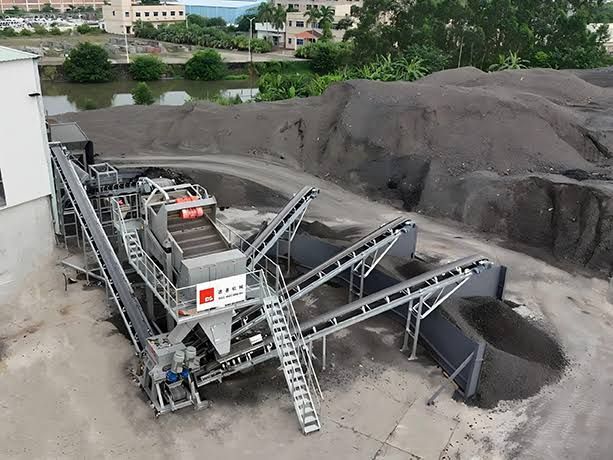
Aggregate Crusher Machine Overview: Essential Components, Performance, and Uses
Aggregate crusher machine technology plays an important role in producing construction materials used for roads, bridges, buildings, and other infrastructure.
These machines reduce large rocks into smaller pieces that can be used as aggregates for different construction purposes. A stone crusher machine may process granite, limestone, basalt, gravel, and several other natural materials depending on the project requirements.
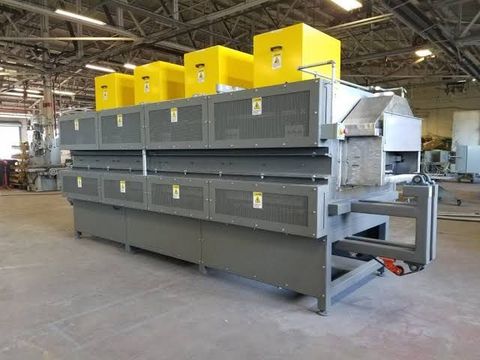
Modern aggregate crushing equipment has developed into a wide range of systems that improve efficiency, material consistency, and operational control. Different machine types, including a rock crusher machine, mobile crusher machine, jaw crusher machine, and cone crusher machine, are designed for specific stages of material reduction. Together with crushing plant machinery and other industrial material processing equipment, these systems help transform raw stone into usable construction aggregates.
Context
Understanding Aggregate Crushing
Aggregate crushing is the process of breaking large rocks into smaller, graded materials suitable for construction and industrial applications. The process begins with raw stone extracted from quarries or mines and continues through several stages of crushing and screening until the desired particle size is achieved.
Crushing systems have been used for many decades as construction projects expanded and infrastructure demands increased. Early machines relied mainly on mechanical force, while modern industrial crushing equipment incorporates automated controls, monitoring systems, and improved safety features.
Main Components of Crushing Systems
Although equipment designs vary, many aggregate crushing systems include similar components.
- Feed hopper for receiving raw material.
- Primary crusher, often a jaw crusher machine.
- Secondary crusher, commonly a cone crusher machine.
- Vibrating screens for separating material sizes.
- Conveyors for moving material between stages.
- Dust control systems.
- Control panels for monitoring equipment.
Each component contributes to maintaining a continuous flow of material throughout the crushing process.
Common Types of Crusher Machines
Different machines perform different functions within a crushing operation.
| Machine Type | Primary Purpose | Common Material Stage |
|---|---|---|
| Jaw crusher machine | Initial reduction of large rocks | Primary crushing |
| Cone crusher machine | Producing smaller aggregate sizes | Secondary or tertiary crushing |
| Rock crusher machine | General rock reduction | Multiple stages |
| Mobile crusher machine | Crushing at changing work locations | Portable operations |
| Stone crusher machine | Processing natural stone materials | Various stages |
The selection of equipment depends on material characteristics, production goals, and available working space.
Importance
Supporting Modern Infrastructure
Construction projects require consistent aggregate sizes for concrete, asphalt, drainage systems, railway foundations, and road bases. Aggregate crusher machine systems make it possible to produce these materials in large quantities while maintaining consistent grading.
Without aggregate crushing equipment, producing uniform construction materials would require significantly more manual processing, making infrastructure development slower and less efficient.
Improving Material Processing
Industrial material processing equipment helps separate usable material from oversized rock. Multiple crushing stages improve particle shape and size distribution, supporting a wide variety of engineering applications.
Many crushing plants also integrate screening equipment that separates finished products into different grades for different construction purposes.
Reducing Material Transportation
A mobile crusher machine allows material to be processed closer to excavation or demolition locations. Instead of transporting large rocks over long distances, crushed material can often be prepared near the source, reducing transportation requirements.
This approach is particularly useful for temporary infrastructure projects and remote construction locations.
Supporting Recycling Activities
Modern quarry crushing machines may also process recycled concrete, asphalt, bricks, and similar construction materials. Recycling reduces the amount of material sent to disposal facilities while creating reusable aggregates for future construction work.
Although recycled aggregates may not be suitable for every application, they contribute to more efficient resource management in many projects.
Recent Updates
Increasing Automation
Recent developments have focused on automation within aggregate crushing equipment. Digital control systems can monitor machine performance, material flow, and equipment status from centralized interfaces.
Automated adjustments help maintain more consistent production while reducing unnecessary interruptions.
Smarter Monitoring Systems
Many newer crushing plant machinery installations include sensors that monitor vibration, temperature, lubrication, and operating conditions.
Predictive maintenance systems analyze equipment performance and identify maintenance needs before major mechanical problems develop.
Improved Dust and Noise Control
Environmental considerations continue to influence equipment design. Manufacturers increasingly incorporate enclosed conveyors, water spray systems, improved sealing, and dust collection technology.
These improvements help reduce airborne dust generated during crushing operations while supporting safer working environments.
Greater Equipment Mobility
Portable and mobile crusher machine designs have become more common across mining, quarrying, and infrastructure projects. Mobile units combine crushing, screening, and conveying functions into transportable systems that can be relocated as project requirements change.
Energy Efficiency
Recent industrial crushing equipment emphasizes improved energy management through efficient motors, optimized crushing chambers, and automated operating adjustments.
Lower energy consumption contributes to more efficient material processing without changing the basic crushing principles.
Laws or Policies
Workplace Safety Requirements
Many countries regulate crushing operations through workplace safety legislation. Operators are generally expected to follow rules related to machinery guarding, emergency shutdown systems, personal protective equipment, and equipment inspections.
Safety training and regular maintenance help reduce workplace risks associated with heavy machinery.
Environmental Regulations
Quarry operations and aggregate processing facilities often operate under environmental regulations that address:
- Dust emissions
- Noise management
- Water usage
- Waste handling
- Air quality monitoring
- Land rehabilitation after quarry operations
The exact requirements vary depending on national and regional authorities.
Equipment Standards
Industrial machinery is commonly manufactured according to recognized engineering and safety standards. These standards cover electrical systems, structural design, mechanical performance, and operational safety.
Compliance helps maintain consistent manufacturing practices across different equipment categories.
Material Quality Standards
Construction aggregates are frequently tested according to national engineering specifications. Testing may evaluate particle size, strength, durability, moisture content, and other physical characteristics before aggregates are used in construction projects.
Tools and Resources
Several digital resources help engineers, contractors, researchers, and students better understand aggregate crushing operations.
Useful resources include:
- Aggregate size calculators for estimating material quantities.
- Conveyor capacity calculators for planning production flow.
- Equipment maintenance scheduling software.
- Geographic information system mapping platforms for quarry planning.
- Computer-aided design software for plant layout development.
- Government geological survey websites providing rock and mineral information.
- Environmental compliance guidance published by public authorities.
- Technical standards published by recognized engineering organizations.
These resources support planning, equipment management, environmental compliance, and material evaluation throughout the crushing process.
FAQs
What is an aggregate crusher machine used for?
An aggregate crusher machine reduces large rocks into smaller aggregate materials used in construction, road building, drainage systems, and infrastructure projects. It forms an important part of aggregate crushing equipment used in quarries and processing plants.
How does a jaw crusher machine differ from a cone crusher machine?
A jaw crusher machine usually performs the initial stage of crushing by handling large rocks. A cone crusher machine typically processes already reduced material to produce smaller and more uniform aggregate sizes.
When is a mobile crusher machine useful?
A mobile crusher machine is useful when crushing needs to take place at changing work locations. It allows material processing closer to construction, demolition, or quarry sites without requiring a permanent installation.
What materials can a stone crusher machine process?
A stone crusher machine commonly processes granite, limestone, basalt, sandstone, gravel, concrete, and similar hard materials. The exact capability depends on machine design and operating conditions.
What is the role of quarry crushing machines in material production?
Quarry crushing machines break extracted rock into different aggregate sizes before screening and sorting. This process helps prepare materials suitable for construction, transportation infrastructure, and industrial applications.
Conclusion
Aggregate crusher machine systems form an important part of modern construction and industrial material processing. Different equipment types, including jaw, cone, rock, and mobile crushers, perform specific functions throughout the crushing process. Continued improvements in automation, monitoring, environmental controls, and energy efficiency are shaping current equipment development. Understanding how these machines operate provides useful insight into the production of construction aggregates used in everyday infrastructure.