Granulators Explained: Important Facts and Details for Better Understanding
Granulators play an important role in modern manufacturing and recycling by reducing larger materials into smaller, more manageable pieces.
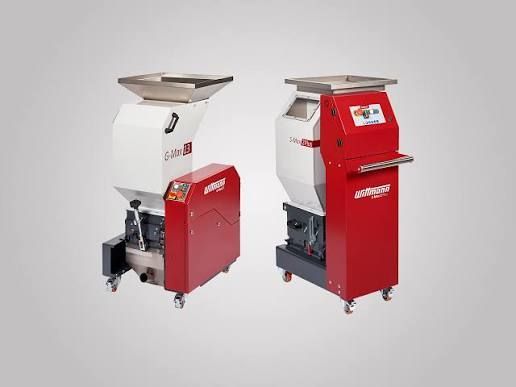
A granulator machine is commonly used across industries that process plastics, cables, rubber, and other recyclable materials. Whether discussing an industrial granulator, a plastic granulator, or a cable granulator, the primary purpose remains the same: improving material handling and supporting efficient processing.
Today, granulators are widely associated with recycling and production because they help convert scrap materials into reusable granules. They often work alongside equipment such as plastic shredders, conveyors, and sorting systems as part of larger industrial recycling equipment. Understanding how these machines operate helps explain their importance in manufacturing, waste management, and polymer processing.
Context
Understanding What Granulators Are
A granulator is a machine designed to reduce the size of solid materials by cutting, shearing, or grinding them into smaller particles. Unlike crushers that break materials into rough fragments, granulators generally produce more uniform granules suitable for additional processing.
A plastic granulator is one of the most common types because plastic waste is generated in many industries. These machines process plastic items such as containers, pipes, films, molded parts, and production leftovers. The resulting granules can often move to later stages within a plastic recycling machine system.
Why Granulators Were Developed
Industrial production creates leftover materials during manufacturing. Instead of allowing these materials to remain unused, industries developed industrial size reduction equipment to process them into reusable forms. Granulators became an important part of this approach by making materials easier to transport, sort, store, and process.
As recycling practices expanded, equipment such as the plastic recycling granulator, waste plastic granulator, scrap granulator, and cable granulator became common in facilities that manage recyclable materials.
Common Types of Granulators
Different industries use different designs depending on the material being processed.
| Granulator Type | Common Material | Typical Application |
|---|---|---|
| Plastic granulator | Plastic products | Plastic recycling and manufacturing |
| Cable granulator | Electrical cables | Metal and insulation separation |
| Scrap granulator | Industrial scrap | Material recovery |
| Industrial granulator machine | Mixed industrial materials | Manufacturing and recycling |
| Plastic recycling granulator | Plastic waste | Recycling processes |
Importance
Supporting Material Recycling
One of the major reasons granulators remain important is their contribution to recycling. A waste plastic granulator reduces larger plastic items into smaller granules that are easier to wash, sort, and prepare for additional manufacturing processes.
This supports broader recycling systems without requiring every material to remain in its original shape.
Improving Manufacturing Efficiency
Manufacturing facilities often generate excess material during production. A granulator machine allows these leftover pieces to be reduced into consistent sizes that may be processed again within appropriate production systems.
This helps simplify material handling while improving storage and transportation throughout manufacturing facilities.
Assisting Different Industries
Granulators are found across many industries, including:
- Plastic manufacturing
- Automotive component production
- Packaging production
- Electrical cable recycling
- Consumer goods manufacturing
- Polymer processing
- Industrial recycling facilities
Many polymer processing equipment systems include granulators as one stage within a larger production workflow.
Working Alongside Other Equipment
Granulators rarely work alone. They are commonly integrated with:
- Plastic shredder and granulator combinations
- Conveyors
- Material separators
- Dust collection systems
- Washing units
- Drying systems
- Pelletizing equipment
Together, these systems improve the movement and preparation of recyclable materials.
Recent Updates
Greater Focus on Energy Efficiency
Recent developments in industrial granulator machine design have focused on reducing energy consumption while maintaining consistent material processing. Improved motor designs and optimized cutting systems help achieve more efficient operation.
Increased Automation
Many industrial granulator suppliers now provide equipment that can operate with programmable controls. Automated monitoring helps regulate feeding rates, monitor machine performance, and improve consistency during production.
Automation also assists operators by reducing manual adjustments during routine operation.
Improved Noise Reduction
Manufacturers have introduced quieter machine enclosures, improved blade configurations, and vibration reduction techniques. These changes make granulators more suitable for facilities that aim to reduce workplace noise.
Better Material Sorting Integration
Modern plastic recycling machine systems increasingly combine sorting technology with granulators. Optical sorting, metal detection, and automated separation systems help prepare materials before they enter the granulator.
This improves the quality of processed material and reduces contamination.
Digital Monitoring
Current industrial recycling equipment often includes digital displays that monitor:
- Machine operating status
- Motor performance
- Blade wear indicators
- Production output
- Maintenance schedules
These features help operators monitor equipment more effectively during daily operation.
Laws or Policies
Environmental Regulations
Many countries have environmental regulations that encourage proper waste management and recycling practices. These regulations often influence how industrial recycling equipment is designed and operated.
Requirements may include appropriate waste handling, dust management, noise control, and environmental reporting depending on local regulations.
Workplace Safety Standards
Industrial granulator machine operation is generally subject to workplace safety requirements. These commonly include:
- Emergency stop controls
- Machine guarding
- Lockout procedures during maintenance
- Personal protective equipment
- Operator training requirements
These measures help reduce workplace risks associated with moving mechanical components.
Plastic Waste Management Programs
Many governments have introduced policies that encourage improved plastic recycling. Plastic recycling granulator systems frequently support these broader waste reduction initiatives by preparing recyclable materials for additional processing.
Although regulations differ between countries, recycling infrastructure continues to receive increasing attention.
Equipment Compliance
Granulator manufacturers generally design equipment to align with applicable electrical, mechanical, and safety standards required within their intended markets. Compliance requirements vary according to national and regional regulations.
Tools and Resources
Several tools and informational resources help people understand granulators and recycling systems more effectively.
Equipment Documentation
Manufacturers commonly provide technical manuals covering:
- Machine operation
- Safety guidance
- Routine maintenance
- Blade replacement
- Troubleshooting
These documents help users understand equipment capabilities and operating procedures.
Material Identification Guides
Plastic identification charts help determine which materials can enter particular recycling systems. Proper identification improves processing efficiency while reducing contamination.
Production Calculators
Industrial planning often involves calculators for estimating:
- Material throughput
- Energy usage
- Processing capacity
- Storage volume
- Production planning
These tools assist in understanding operational requirements.
Government Environmental Portals
Many government environmental agencies publish information covering:
- Recycling guidance
- Waste management regulations
- Industrial environmental requirements
- Plastic waste policies
These resources explain how recycling systems fit within broader environmental programs.
Industry Publications
Technical publications covering polymer processing equipment and industrial size reduction equipment frequently explain:
- Equipment terminology
- Maintenance concepts
- Material handling methods
- Recycling technologies
- Manufacturing trends
These references help readers understand evolving industrial practices.
FAQs
What is a granulator machine used for?
A granulator machine reduces solid materials into smaller, more consistent pieces. It is commonly used in manufacturing, recycling, and polymer processing where material size reduction is an important processing step.
What is the difference between a plastic granulator and a plastic shredder and granulator?
A plastic granulator typically creates smaller, more uniform granules, while a plastic shredder reduces large items into rough pieces. Many recycling systems combine both machines so materials pass through shredding before granulation.
How does a cable granulator work?
A cable granulator cuts electrical cables into small pieces and separates metal from insulation using mechanical and separation processes. This allows different materials to be processed individually during recycling.
Why are industrial granulator machines important in recycling?
Industrial granulator machines prepare materials for later recycling stages by creating consistent particle sizes. This improves sorting, washing, drying, and additional processing within industrial recycling equipment systems.
What should be considered when comparing granulator manufacturers?
Common considerations include machine capacity, supported materials, maintenance requirements, safety features, available documentation, and compatibility with existing plastic recycling machine or polymer processing equipment systems.
Conclusion
Granulators are an important part of modern manufacturing and recycling because they reduce materials into manageable sizes for additional processing. From plastic granulator systems to cable granulator equipment, these machines support recycling, production, and material recovery across many industries. Ongoing developments continue to improve efficiency, automation, and environmental performance while maintaining their central role in industrial size reduction equipment. Understanding how granulators work provides a useful foundation for learning about recycling and manufacturing processes.