Slotting Machines Explained: Features, Uses, and Industrial Applications
Slotting machines are important machine tools used in modern manufacturing and precision engineering. They are designed to create slots, grooves, keyways, internal profiles, and other accurately shaped openings inside or on the surface of metal components. Their ability to produce precise internal machining makes them valuable across many industrial sectors.
The concept of slotting machines evolved from traditional shaping machines. While both use a reciprocating cutting motion, a slotting machine performs its cutting operation vertically instead of horizontally. This vertical movement allows manufacturers to machine internal surfaces that are difficult to produce using many other conventional machining methods.
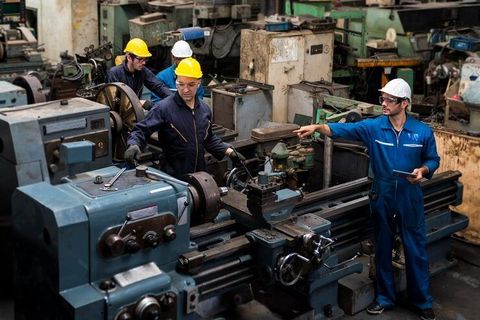
Today, slotting machines are commonly found in engineering workshops, automotive manufacturing facilities, heavy equipment production, industrial machinery manufacturing, tool rooms, and metal fabrication environments. Even with the advancement of computer-controlled manufacturing, slotting machines continue to play an important role where precise internal machining and specialized component production are required.
High-precision machining, industrial manufacturing, metalworking technology, precision engineering, machine tools, manufacturing automation, industrial equipment, mechanical engineering, production technology, and advanced machining are commonly discussed topics alongside slotting machines because they represent major areas where these machines contribute to efficient production.
Importance
Slotting machines continue to remain relevant because many industrial components require accurately machined internal features that directly affect assembly quality and mechanical performance.
Their importance extends across several industries, including:
- Automotive component manufacturing
- Aerospace engineering
- Industrial machinery production
- Gear manufacturing
- Power generation equipment
- Railway engineering
- Heavy engineering industries
- Tool and die manufacturing
- Precision engineering workshops
- General metal fabrication
These machines help manufacturers produce consistent dimensions while improving machining accuracy for internal shapes that may otherwise require more complex manufacturing processes.
Common applications include:
- Internal keyway cutting
- Splines
- Grooves
- Internal gear profiles
- Square and rectangular openings
- Die manufacturing
- Tool making
- Repair and maintenance machining
The use of slotting machines also supports efficient material removal while maintaining dimensional accuracy. This improves compatibility between mechanical parts during assembly and helps reduce production errors.
As industries continue to focus on precision manufacturing and quality assurance, slotting machines remain valuable for producing specialized components that require tight tolerances and repeatable results.
Recent Updates
Manufacturing technology has continued to evolve throughout 2025 and 2026, leading to several developments in slotting machine technology and machining practices.
One noticeable trend is the increased integration of digital monitoring systems into conventional machine tools. These systems help operators monitor machine performance, cutting parameters, vibration levels, and maintenance schedules more efficiently.
Another important development involves improved cutting tool materials. Modern carbide cutting tools and advanced coatings have improved machining efficiency while extending tool life during demanding operations.
Energy-efficient machine designs have also become more common. Manufacturers are focusing on reducing electricity consumption while maintaining machining performance through optimized drive systems and improved machine construction.
Industrial automation continues to influence production planning. Although slotting machines are often manually operated for specialized work, many manufacturing facilities now combine them with digital production management systems for improved workflow monitoring.
Another growing trend during 2025 has been predictive maintenance. Industrial facilities increasingly use sensor-based monitoring to identify wear before major maintenance becomes necessary, helping improve equipment availability.
Advanced manufacturing education has also placed greater emphasis on combining traditional machining knowledge with digital manufacturing skills, ensuring operators understand both conventional machining principles and modern production technologies.
These developments demonstrate that slotting machines continue adapting alongside broader manufacturing modernization rather than becoming obsolete.
Laws or Policies
The operation of slotting machines is influenced by workplace safety regulations, industrial quality standards, and environmental policies in many countries.
Most manufacturing facilities follow occupational safety requirements designed to protect machine operators. These regulations generally include:
- Safe machine operation procedures
- Protective guarding requirements
- Emergency stop mechanisms
- Personal protective equipment
- Operator training
- Machine inspection schedules
- Workplace risk assessments
Industrial quality management systems also encourage manufacturers to maintain consistent machining accuracy through documented production procedures and quality control practices.
Environmental policies increasingly encourage manufacturers to reduce waste generation, improve energy efficiency, and responsibly manage metal chips, cutting fluids, and industrial waste generated during machining operations.
Many countries also promote workplace modernization through manufacturing development initiatives that encourage digital manufacturing, industrial automation, workforce skill development, and sustainable production practices.
Although regulations vary between countries, the overall objective remains similar: improving worker safety, maintaining product quality, supporting environmental responsibility, and encouraging efficient industrial production.
Organizations should always follow the specific machinery safety standards and industrial regulations applicable within their own region.
Tools and Resources
Various tools and learning resources help improve understanding and operation of slotting machines.
Common resources include:
| Tool or Resource | Purpose |
|---|---|
| CAD software | Designing machine components before production |
| CAM software | Planning machining operations |
| Engineering calculators | Calculating cutting speed, feed rate, and machining parameters |
| Manufacturing templates | Planning production workflows |
| Technical drawings | Understanding component dimensions |
| Machine maintenance checklists | Supporting preventive maintenance |
| Industrial safety manuals | Improving workplace safety awareness |
| Technical training materials | Learning machining principles |
| Precision measuring instruments | Checking machining accuracy |
| Digital production management systems | Monitoring manufacturing processes |
Operators also benefit from learning materials covering machining theory, cutting tool selection, material properties, dimensional inspection, and machine maintenance.
Regular preventive maintenance schedules help maintain machine accuracy while reducing unexpected downtime during production.
Frequently Asked Questions
What is a slotting machine used for?
A slotting machine is primarily used to machine internal slots, keyways, grooves, splines, internal gear profiles, and accurately shaped openings in metal components.
How does a slotting machine work?
A slotting machine uses a vertically reciprocating ram that moves a cutting tool up and down. Material is gradually removed while the workpiece is carefully positioned using the machine table.
Which industries commonly use slotting machines?
Industries including automotive manufacturing, aerospace engineering, industrial machinery production, railway engineering, heavy equipment manufacturing, precision engineering, and tool making frequently use slotting machines.
What are the advantages of slotting machines?
Major advantages include high machining accuracy, the ability to machine internal profiles, versatility, relatively simple operation, good dimensional control, and suitability for precision manufacturing.
Are slotting machines still important in modern manufacturing?
Yes. Although CNC technologies continue to expand, slotting machines remain valuable for specialized internal machining operations, repair work, precision engineering, and manufacturing applications where vertical reciprocating cutting provides practical advantages.
Conclusion
Slotting machines continue to play an important role in precision manufacturing by producing internal slots, grooves, keyways, and other specialized features that are difficult to machine using many conventional methods. Their simple operating principle, combined with reliable accuracy and versatility, has allowed them to remain relevant across numerous industrial sectors.