Industrial Automatic Labeling Machines: Latest Technologies and Manufacturing Trends
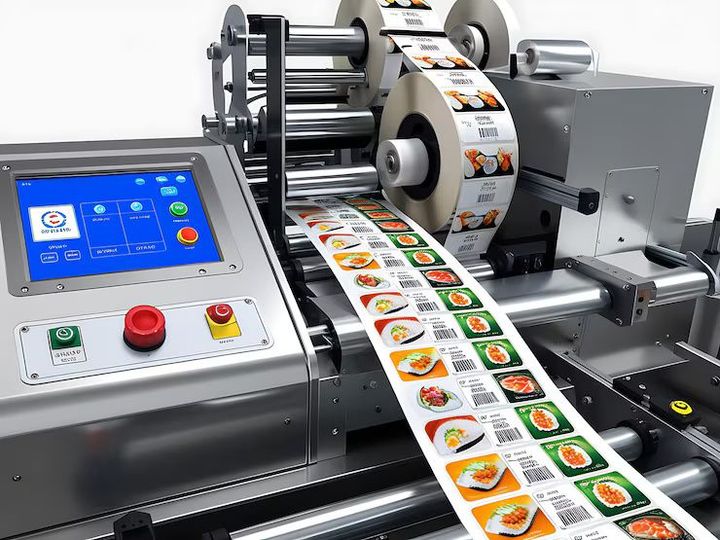
Industrial automatic labeling machines are advanced production systems designed to apply labels consistently and accurately on products, containers, cartons, bottles, packages, and industrial components. They replace manual labeling processes with automated technology that improves speed, precision, and production consistency.
As manufacturing industries continue to expand, production lines require reliable labeling systems capable of handling thousands of products every hour. Product labels are much more than identification stickers. They communicate important information including manufacturing details, batch numbers, serial numbers, safety instructions, barcodes, QR codes, expiry dates, and regulatory information.
Modern industrial labeling equipment combines mechanical engineering, electronic controls, vision inspection systems, programmable automation, and intelligent sensors. These technologies work together to ensure every label is placed correctly, reducing production errors and maintaining consistent quality.
Today, automatic labeling machines are widely used in packaging automation, pharmaceutical manufacturing, food processing, beverage production, cosmetics, logistics, electronics, automotive manufacturing, chemicals, and consumer goods industries.
The growing adoption of Industry 4.0 and digital manufacturing has transformed labeling equipment into intelligent systems capable of communicating with other production machines for improved operational efficiency.
Importance – Why Automatic Labeling Technology Matters
Industrial labeling technology plays a significant role in today's manufacturing environment because accurate product identification supports efficient production, inventory management, quality control, and supply chain visibility.
Several industries rely on automatic labeling systems because they help:
- Improve production efficiency
- Reduce manual handling errors
- Maintain consistent label positioning
- Increase product traceability
- Support quality assurance
- Simplify warehouse management
- Improve barcode readability
- Enhance packaging consistency
Manufacturers handling high production volumes particularly benefit from automated labeling because even small labeling errors can affect logistics, inventory tracking, and customer satisfaction.
Automatic labeling also supports digital manufacturing by connecting products with production databases through QR codes, RFID tags, and barcode systems. This enables easier inventory tracking and better production monitoring throughout the supply chain.
For industries producing medical products, food items, industrial chemicals, and electronic equipment, proper labeling helps communicate essential information that supports safe handling and regulatory compliance.
Latest Technologies and Manufacturing Trends
The industrial labeling sector has experienced significant innovation over the past year as manufacturers continue adopting smart factory technologies.
Some of the most notable developments include:
| Technology Trend | Industry Impact |
|---|---|
| AI-assisted inspection | Detects labeling defects automatically |
| Machine vision systems | Improves label placement accuracy |
| Smart sensors | Enables real-time production monitoring |
| Digital twin technology | Supports production optimization |
| RFID integration | Improves inventory visibility |
| IoT connectivity | Connects labeling equipment with factory systems |
| Predictive maintenance | Reduces unexpected equipment downtime |
| Sustainable labeling materials | Supports environmental goals |
During 2025 and early 2026, many manufacturers increased investment in digital production systems that integrate automatic labeling machines with robotic packaging, conveyor automation, and warehouse management software.
Another important trend is the increasing use of environmentally responsible labeling materials. Manufacturers are adopting recyclable labels, linerless technologies, and eco-friendly adhesives to reduce production waste.
Machine vision technology has also improved considerably. High-speed cameras now inspect label placement in real time and immediately detect alignment issues before products leave the production line.
Artificial Intelligence is increasingly supporting predictive maintenance by analyzing machine performance data and identifying potential mechanical issues before they interrupt production.
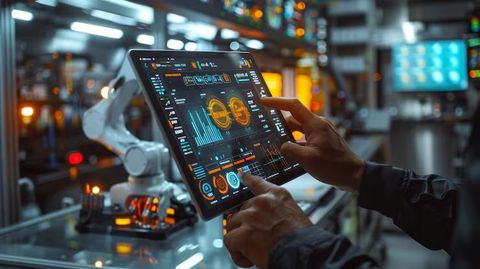
Cloud-based production monitoring platforms have also become more common, allowing factory managers to monitor labeling performance remotely using secure dashboards.
These developments demonstrate how industrial automatic labeling machines are becoming an essential component of smart manufacturing ecosystems.
Laws or Policies – Regulatory Considerations
Industrial labeling requirements vary between countries and industries, but most governments establish regulations to ensure products are accurately identified and consumers receive essential product information.
Depending on the industry, regulations may require:
- Product identification
- Batch tracking
- Manufacturing information
- Safety warnings
- Traceability codes
- Packaging information
- Barcode standards
- Product authentication
Manufacturers producing food, pharmaceuticals, chemicals, medical devices, electronics, and consumer goods often follow additional industry-specific labeling requirements established by national regulatory authorities.
Many countries also encourage digital manufacturing through industrial modernization programs that promote automation, smart factories, energy efficiency, and advanced manufacturing technologies.
Environmental policies increasingly encourage sustainable packaging practices, recyclable materials, and reduced industrial waste, influencing labeling material selection across manufacturing sectors.
Businesses operating internationally also consider global packaging standards to maintain consistency across different markets.
Understanding current regulations helps manufacturers maintain product consistency while supporting quality assurance throughout production.
Tools and Resources for Industrial Labeling
Modern manufacturing uses a wide range of digital tools that improve labeling accuracy, production planning, and equipment monitoring.
Useful resources include:
- Barcode generation software
- QR code creation platforms
- Production planning templates
- Label design applications
- Industrial automation dashboards
- Machine monitoring systems
- Preventive maintenance planners
- Manufacturing performance calculators
- Inventory management templates
- Digital workflow documentation
- Production analytics platforms
- Equipment inspection checklists
These resources help manufacturers organize production activities, monitor equipment efficiency, reduce downtime, and improve overall factory performance.
Many organizations also provide educational materials covering industrial automation, smart manufacturing principles, packaging standards, and production optimization techniques for engineers, operators, and manufacturing professionals.
Frequently Asked Questions
What is an industrial automatic labeling machine?
An industrial automatic labeling machine is an automated system that applies labels to products, packages, bottles, cartons, or containers with high speed and precision while reducing manual effort.
Which industries commonly use automatic labeling machines?
They are widely used in food processing, pharmaceuticals, beverages, cosmetics, chemicals, logistics, electronics, automotive manufacturing, consumer goods, and industrial packaging.
How does machine vision improve labeling quality?
Machine vision systems use cameras and intelligent software to inspect labels during production. They identify missing labels, incorrect placement, printing errors, and alignment issues before products move further through the production line.
Why is product traceability important?
Traceability allows manufacturers to identify production batches, monitor inventory, improve quality management, support product recalls when necessary, and strengthen supply chain visibility.
What technologies are shaping the future of industrial labeling?
Artificial Intelligence, IoT connectivity, RFID, digital twins, predictive maintenance, cloud monitoring, sustainable labeling materials, robotics, and Industry 4.0 integration are driving the next generation of industrial labeling systems.
Conclusion
Industrial automatic labeling machines have evolved from simple production equipment into intelligent manufacturing systems that support efficiency, quality, and digital transformation. As industries continue adopting automation, these machines play an increasingly important role in packaging accuracy, inventory management, product traceability, and production consistency.